Summary.
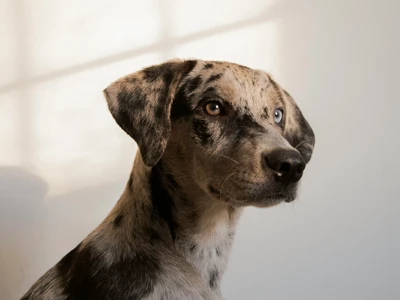
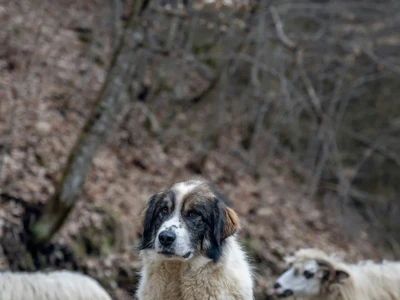
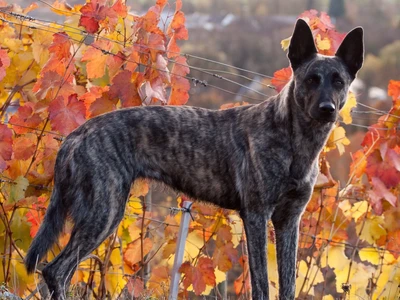
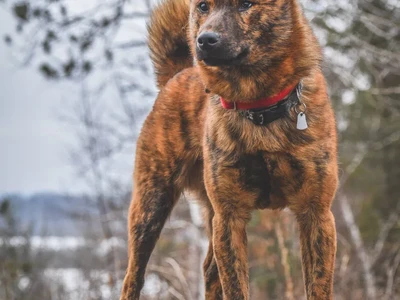
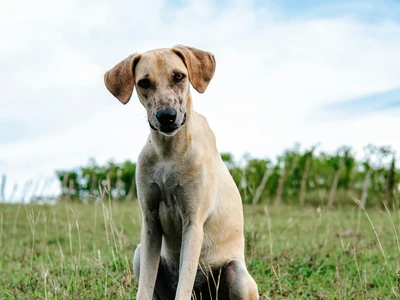
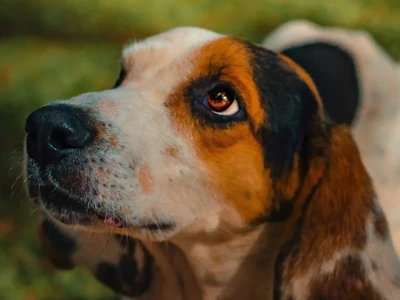
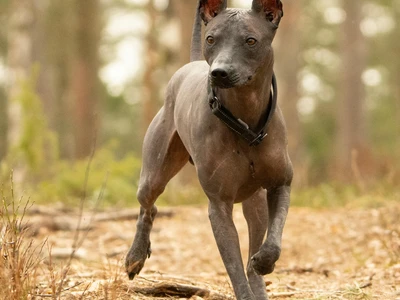
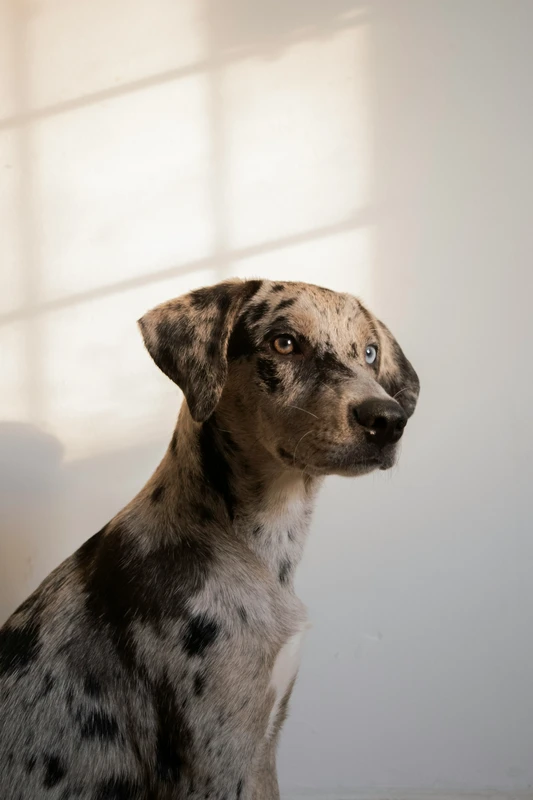
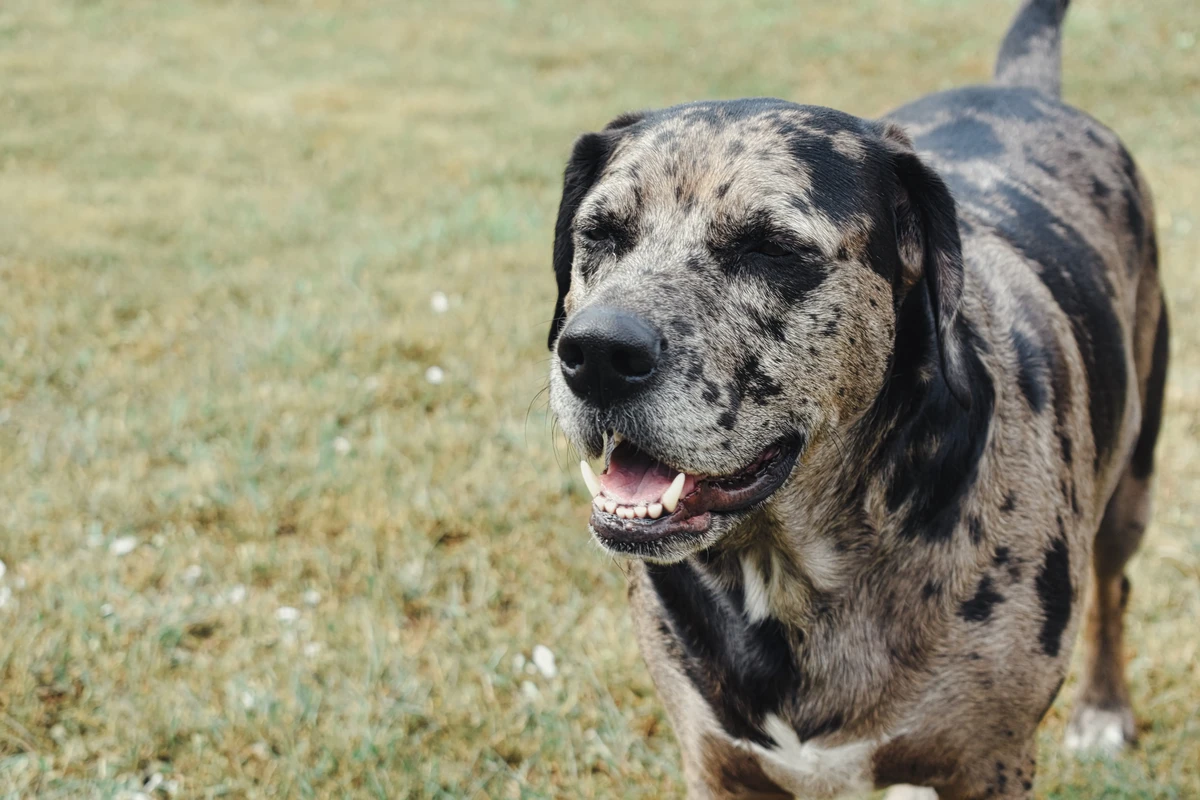
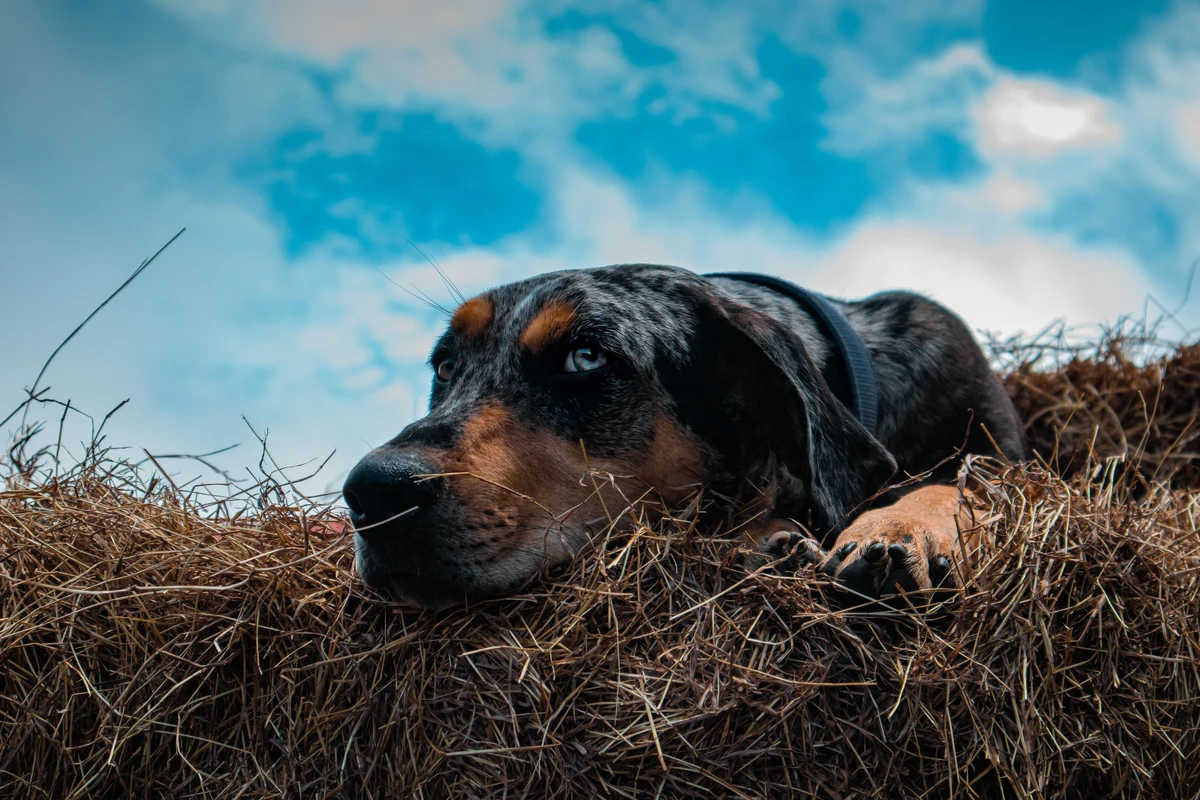
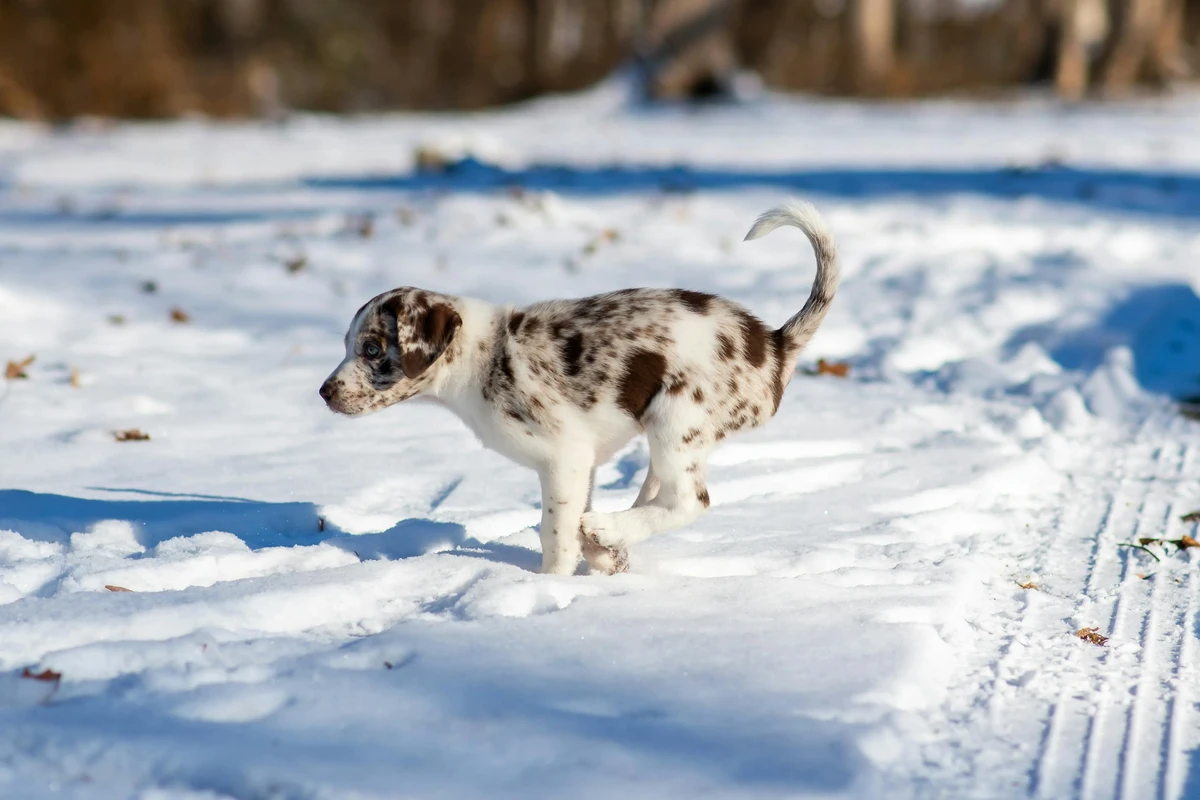
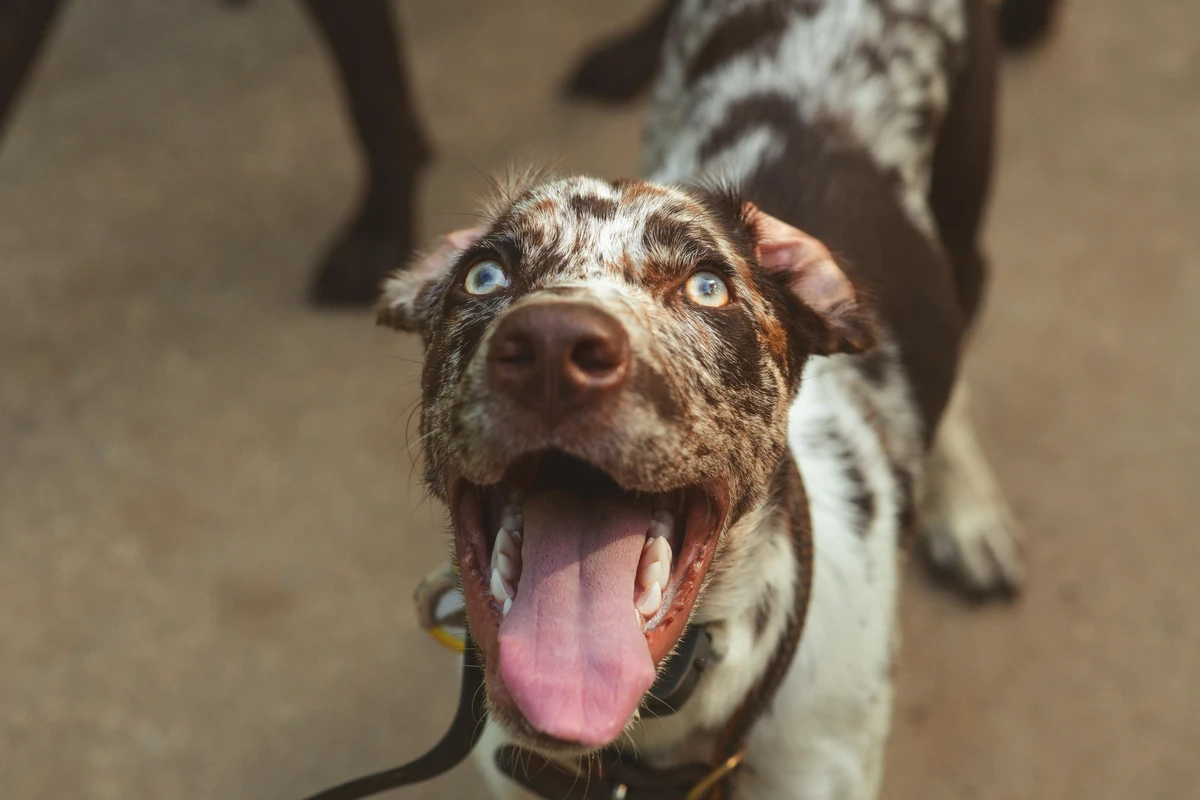
The Catahoula Leopard Dog is a versatile American working breed developed in Louisiana for herding livestock and hunting wild game, including boar. It is known for its striking coat patterns and often striking eye colors, including blue or heterochromia. The breed is highly intelligent, independent, and strong-willed, with a natural drive for work and problem-solving. Catahoulas are loyal to their family but can be reserved with strangers, showing a protective and alert temperament. They are not purely companion dogs — they are working dogs at their core and thrive when given structure and purpose.
Care.
Catahoula Leopard Dogs have a short coat that is relatively low-maintenance, requiring only occasional brushing to remove loose hair. Basic grooming needs include nail trimming, ear cleaning, and routine health checks. Their energy level is very high, so they require significant daily physical activity such as running, hiking, or structured work tasks. Mental stimulation is equally important, as this breed can become destructive if bored or under-stimulated. Training should be consistent, firm, and engaging, as they are intelligent but independent thinkers.
Conditions.
This breed is best suited for active homes with space and experience handling working dogs. They are not ideal for apartment living or sedentary lifestyles. A securely fenced yard is strongly recommended due to their high energy and tendency to roam if not properly managed. Early socialization is important to balance their natural wariness of strangers and strong protective instincts. Catahoulas can live well with families, but are generally better suited to households with older children and owners who can provide leadership, structure, and regular work or activity.