Summary
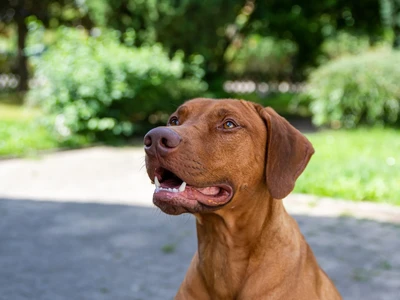
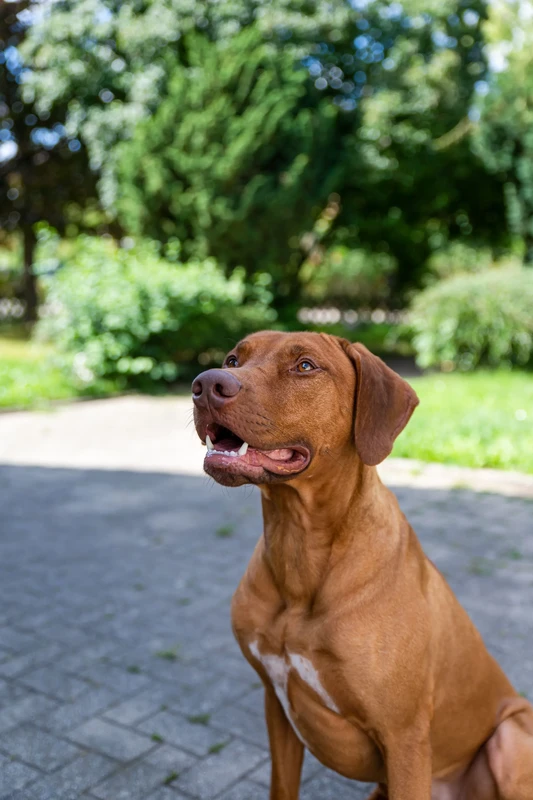
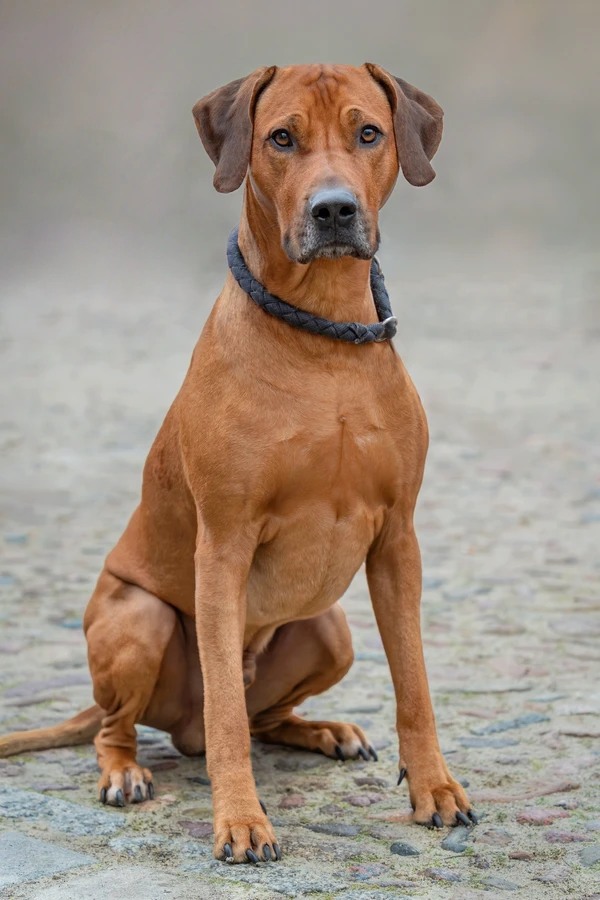
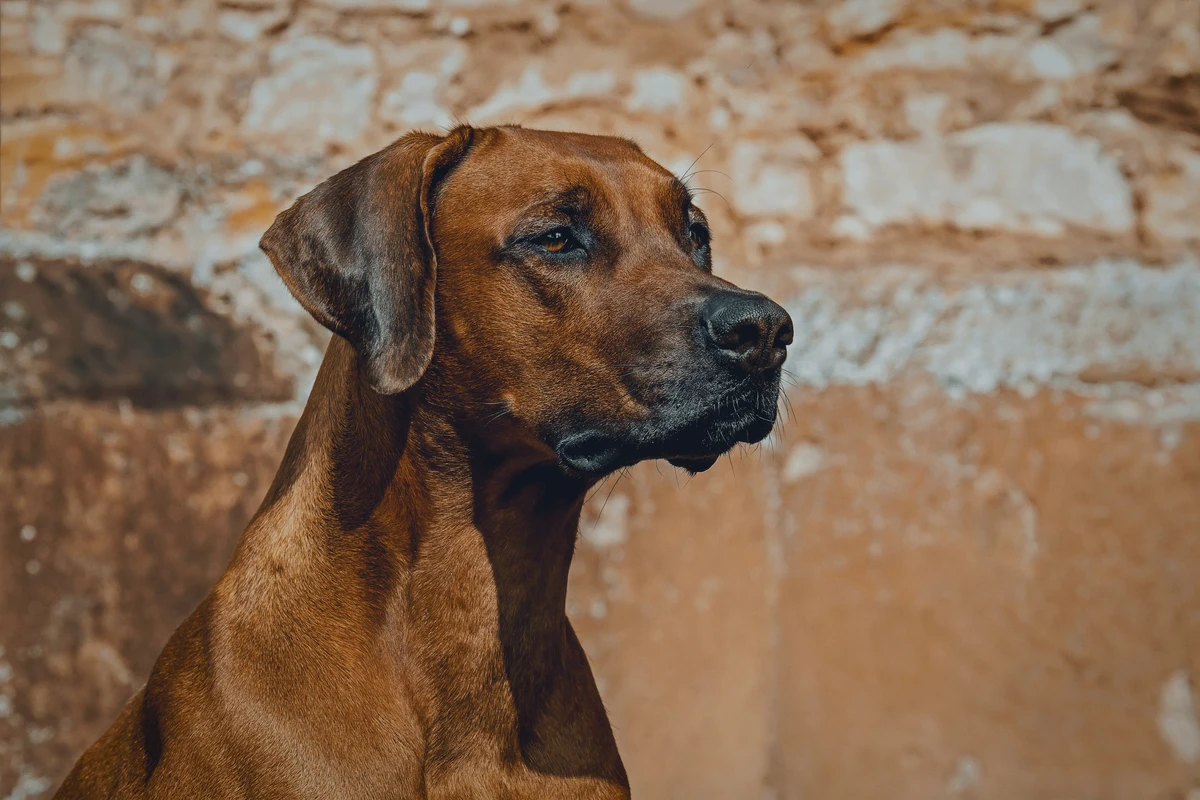
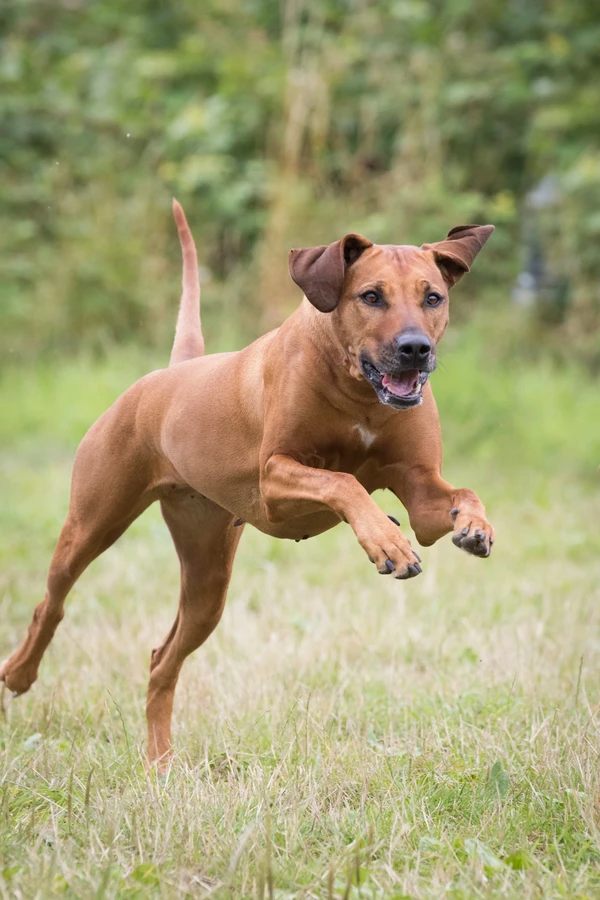
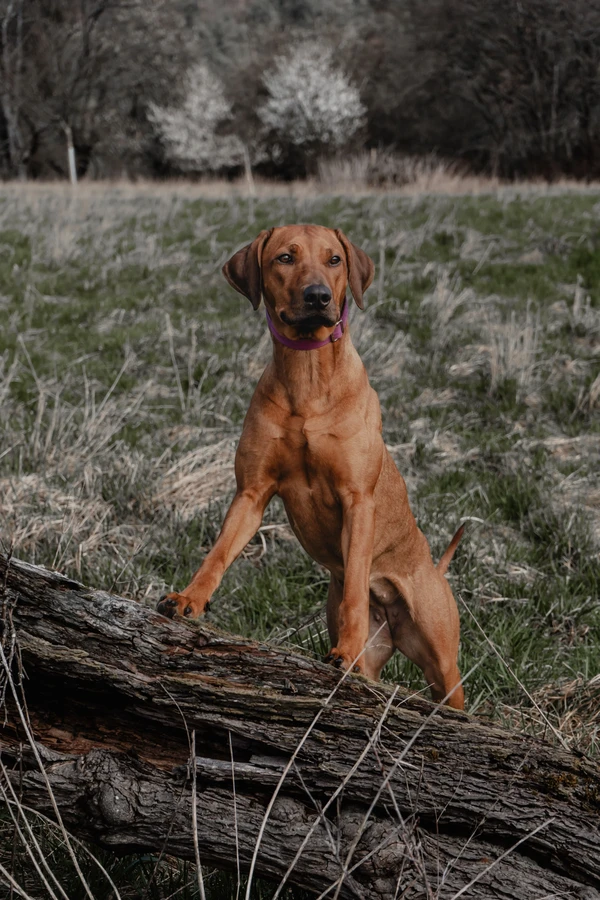
The Rhodesian Ridgeback is a strong, athletic hound from southern Africa, famous for the ridge of hair running forward along its back — the breed's trademark. Bred to track and hold big game, including lions, it is built for endurance and agility rather than mass, with a short, dense, glossy wheaten coat running from light to red wheaten. Dignified, intelligent and aloof with strangers, it is deeply attached to its family and makes a calm, protective companion. Independent and powerful, it needs an experienced owner, plenty of exercise and firm, fair training from an early age.
History & origin
The Rhodesian Ridgeback is the only registered breed indigenous to southern Africa. Its ancestors can be traced to the Cape Colony, where the dogs of early European pioneers crossed with the semi-domesticated, ridged Hottentot hunting dogs. Working usually in twos or threes, the breed's original task was to track game — above all the lion — and, with great agility, hold it at bay until the hunter arrived, which earned it the name «Lion Dog». The first standard was drafted by F. R. Barnes in Bulawayo, Rhodesia, in 1922, based on that of the Dalmatian, and was approved by the South African Kennel Union in 1926. Today the breed is still used for hunting in many countries, but is prized above all as a watch dog and family companion.
Care
The Rhodesian Ridgeback's coat is short, dense and sleek, neither woolly nor silky, and easy to keep: a weekly rub-down with a hound glove or soft brush removes loose hair and keeps the skin healthy, and bathing is needed only occasionally. The ridge needs no special care beyond being kept clean, and ears, feet and eyes should be checked regularly. This is an athletic, energetic hound that needs plenty of daily exercise — long walks, running and, ideally, scent games or free running in a safe enclosed area. Intelligent but independent and powerfully built, it needs consistent, fair training from an early age and thorough socialisation; harsh handling makes it defensive, and boredom and confinement make it destructive.
Conditions
The Rhodesian Ridgeback suits active owners with space, time and experience of strong, independent dogs; it is not the easiest first dog and not suited to a small flat without plenty of exercise. Calm and quiet indoors, it is dignified and reserved with strangers, which makes it an excellent watchdog, and it is deeply loyal and gentle with its own family, generally good with children when raised with them. Its hunting instinct means small pets need care and it should never be allowed to roam. It dislikes being left alone for long and needs company, exercise and clear rules. With space, purpose and fair, patient training, it is a loyal, elegant and level-headed companion.