Origins
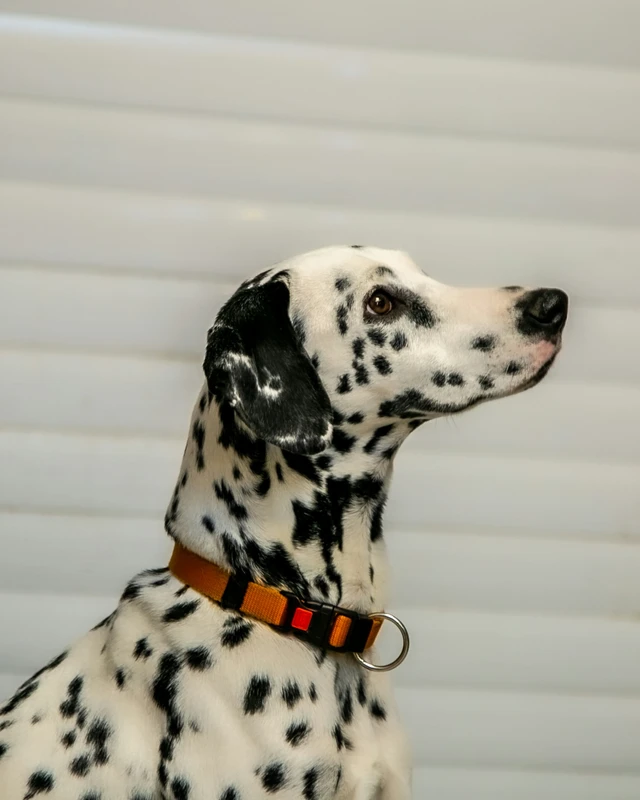
The Dalmatian takes its name from the Adriatic region of Dalmatia, and dogs of this spotted type appear in paintings and church records from the seventeenth and eighteenth centuries. The breed was used as a carriage dog: it ran beside or under the axle, clearing the road and guarding the horses at inns. British breeders standardised it in the nineteenth century, and it was recognised in 1888. Its association with fire stations began when horse-drawn fire engines kept Dalmatians to calm and guide the horses.
Lifestyle
Walks: Two hours a day of real activity: running, cycling or long hikes. It needs to burn energy, and a bored Dalmatian can become noisy and destructive.
Being alone: It needs its people and may bark or chew when left. Exercise and company before you leave help.
At home: Friendly and busy indoors, wanting to be near the family. It sheds, so expect hair on clothes and furniture.
Children: Playful and loyal with children, though its energy and size can knock over small ones. Teach calm greetings.
Other animals: Usually sociable with dogs, and with horses, as it was bred to run with carriages. Small pets may trigger chasing.
Play and activities: Running, agility, canicross, tricks and games. Training needs consistency and short sessions with rewards.
Daily routine: A long active walk or run in the morning, a play session in the evening, and rest between. Keep the schedule regular, because a Dalmatian that knows when the next run is coming settles much more easily.
Care essentials
Practical advice, not a medical opinion. For any health question, ask your vet.
Coat: The short coat sheds all year round; brush two or three times a week or use a rubber mitt. The dog is clean and hardly smells.
Ears, paws and teeth: Wipe the ears and paws after a walk.
Worth knowing: Hair is left on furniture and clothes, so keep a rubber brush or a lint roller to hand.
Hearing: Some Dalmatians are born deaf in one or both ears, so it is worth having a puppy's hearing tested early.
Drinking: The breed has a particular uric acid metabolism, which causes stones to form in the urinary tract, especially in males. Give the dog plenty of water and take it out more often.
More about everyday health in the dog health & care guide.
Fun facts
Dalmatian puppies are born completely white, and the characteristic spots begin to appear in the first weeks of life.
Dodie Smith's novel and Disney's "101 Dalmatians" made the breed world-famous and turned it into one of the most recognisable screen dogs.
Historically, Dalmatians accompanied horse-drawn carriages, running beside the horses and guarding the wagons. Later they became a symbol of fire brigades, especially in the United States, where they were often kept at fire stations.
FAQ
This breed is a great fit if you
- Are very active and enjoy running or cycling
- Want an outgoing, loyal dog
- Are happy to give daily training
- Do not mind short white hairs
It may not be a fit if you
- Want a calm, low-energy dog
- Are away from home most of the day
- Dislike dog hair on furniture and clothes
- Are not ready for health checks and testing
Is it suitable for allergy sufferers?
Noticeable shedding. No dog is completely hypoallergenic: allergens come from saliva, skin and dander, not only from hair. Reactions are individual, so spend time with the dog before you decide and talk to an allergist if you are unsure.
Which breeds are similar to Dalmatian?
Chosen from all groups: breeds of the same size, ordered by how closely their coat length, coat type and activity level match. The notes show how each breed differs from this one.
- American Bulldogquieter
- Boxervery similar overall
- Catahoula Leopard Dogvery similar overall
- Italian Cane Corsoheavier
- Rhodesian Ridgebackvery similar overall
Compare Dalmatian with another breed
Which other breeds might suit me?
Visit the Breeds page: with the filters and the quiz there you can get to know the breeds better.