Origins
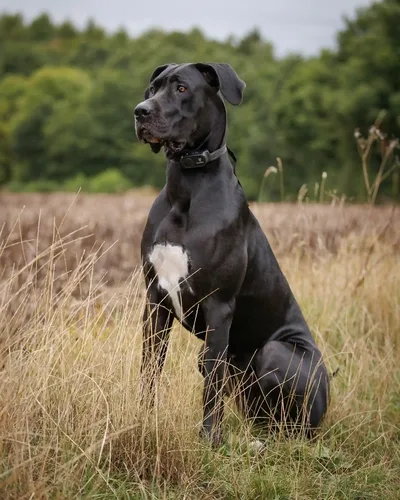
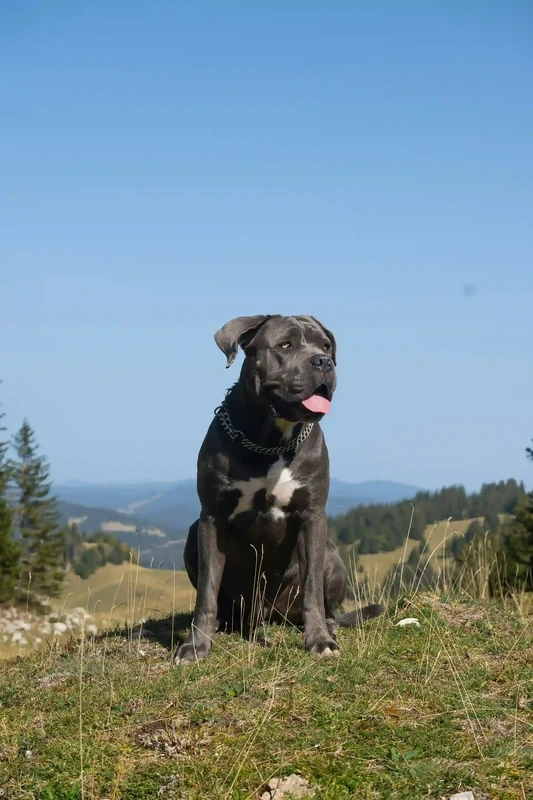
The Cane Corso comes from southern Italy and descends from the old Roman molosser dogs used for guarding, hunting and war. Its name refers to the Latin word for bodyguard, and for centuries it worked on farms, drove cattle and protected property. The breed nearly vanished after the Second World War and was saved by Italian enthusiasts in the 1970s. Italy drew up a standard in 1987, and the Cane Corso is now a popular guardian and family dog around the world.
Lifestyle
Walks: About an hour and a half a day, in two walks, with a place to run. It is happiest with purposeful walks and a good sniff. Keep it on a lead in public.
Being alone: A Cane Corso is devoted to its family and does not like long isolation. Alone for hours, it may become bored, noisy or destructive.
At home: Calm indoors and watchful. It likes to lie where it can see the door and the family, and takes its role as guardian seriously.
Children: Affectionate and patient with the children of the family. Its size and strength call for supervision with small kids and visitors.
Other animals: Often wary of unfamiliar dogs and people. It can live with other pets if they are introduced early, but may chase small animals.
Play and activities: Obedience, tracking and weight-pull sports suit it. It learns well from a calm, confident handler and short, varied sessions.
Daily routine: Two active outings with long periods of calm rest. It prefers a stable routine and a clearly defined place in the home.
Care essentials
Practical advice, not a medical opinion. For any health question, ask your vet.
Coat: Brush the short coat once or twice a week, and more often when it sheds.
Ears, paws and teeth: Trim a large dog's claws regularly; it is best to get it used to this from puppyhood. After a walk, wipe the paws and muzzle.
Joints: Large breeds more often have problems with the hip and elbow joints. While the puppy is growing, avoid long runs and jumping, and keep its weight normal throughout its life.
More about everyday health in the dog health & care guide.
Fun facts
The breed's name probably comes from the Latin cohors, meaning "yard", "farmstead" or "guarded territory". This reflects the Cane Corso's traditional role as a protector of the home and farm.
On farms in southern Italy the Cane Corso was used to guard property, manage livestock and hunt large game, including wild boar.
In the middle of the 20th century the breed was on the verge of extinction. In the 1970s Italian enthusiasts began to restore it, searching the rural areas of the south for surviving dogs.
FAQ
This breed is a great fit if you
- Have experience with large, strong breeds
- Have a house with a secure garden
- Are calm, consistent and confident with training
- Want a loyal guardian that stays close to the family
It may not be a fit if you
- Are getting your first dog
- Live in a small flat
- Want a dog that welcomes every visitor
- Do not have time for early socialisation and training
Is it suitable for allergy sufferers?
Noticeable shedding. No dog is completely hypoallergenic: allergens come from saliva, skin and dander, not only from hair. Reactions are individual, so spend time with the dog before you decide and talk to an allergist if you are unsure.
Which breeds are similar to Italian Cane Corso?
Chosen from all groups: breeds of the same size, ordered by how closely their coat length, coat type and activity level match. The notes show how each breed differs from this one.
- American Bulldogquieter
- Boxerlighter
- Catahoula Leopard Doglighter
- Dalmatianlighter
- Rhodesian Ridgebackvery similar overall
Compare Italian Cane Corso with another breed
Which other breeds might suit me?
Visit the Breeds page: with the filters and the quiz there you can get to know the breeds better.