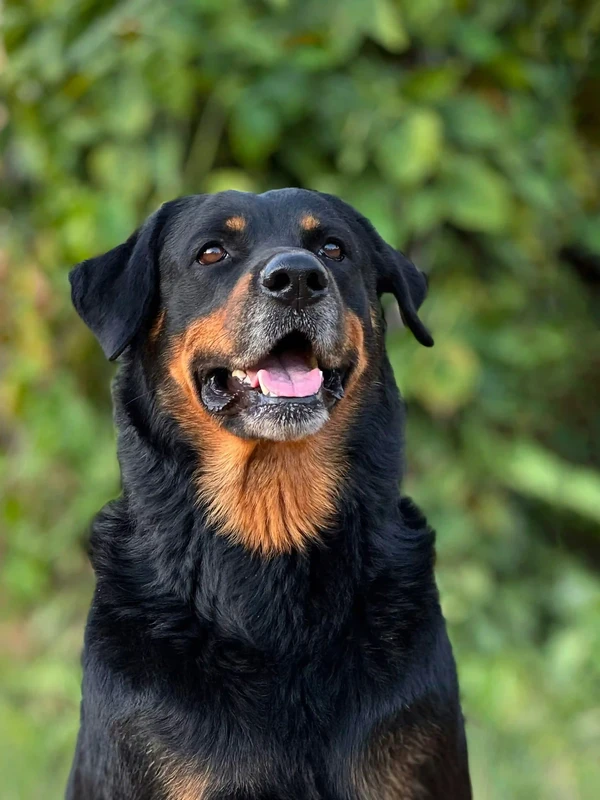
Origins
The Rottweiler is descended from Roman drover dogs that guarded and moved cattle for the legions, and some of them stayed in the German town of Rottweil. There they became the butchers' dogs, driving cattle to market and pulling carts loaded with meat, with the money tied to their collars. When railways and driving bans ended that work, the breed nearly disappeared, and a club was founded in 1901 to save it. It was recognised in Germany in 1901 and grew into a world-famous police, service and guarding breed.
Lifestyle
Walks: About an hour and a half a day, in two walks, with some training mixed in. It likes purposeful walks and a game of fetch. In hot weather go out early or late.
Being alone: A Rottweiler prefers to be near its people. Left alone for long, it may become bored and noisy or destructive.
At home: Calm and watchful indoors. It lies where it can see the family, often on your feet, and takes its role as guardian seriously.
Children: Affectionate and patient with children of the family, and a good playmate. Because of its size, supervise games with small children.
Other animals: Can be wary of unfamiliar dogs, and some males are dominant. It lives well with household pets raised with it.
Play and activities: Obedience, tracking, carting and weight-pull sports suit it. It learns well from fair, consistent handling and short sessions.
Daily routine: Regular outings and plenty of rest. A steady routine and a clear place in the family keep it balanced.
Care essentials
Practical advice, not a medical opinion. For any health question, ask your vet.
Coat: Brush the short coat once or twice a week, more often when it sheds. A rubber mitt works for both the coat and a massage.
Ears, paws and teeth: Check the claws and paw pads regularly.
Joints: Large breeds more often have problems with the hip and elbow joints. While the puppy is growing, avoid long runs and jumping, and keep its weight normal throughout its life.
More about everyday health in the dog health & care guide.
Fun facts
The breed's name comes from the German town of Rottweil, where the ancestors of today's Rottweilers were used to accompany cattle and guard the property of butchers. They were called "butchers' dogs".
There is a well-known story that butchers tied purses with their takings to Rottweilers' collars, trusting the dogs to guard the money on the way back from the market. However, there is little reliable historical evidence of this tradition.
Some Rottweilers make a low, vibrating rumble when they are relaxed and enjoying company. Owners often call this sound "Rottie talk", although it should not be confused with warning growling.
FAQ
This breed is a great fit if you
- Have experience with large, strong breeds
- Are calm, firm and fair with training
- Have a house with a secure garden
- Want a loyal dog that stays close to the family
It may not be a fit if you
- Are getting your first dog
- Live in a small flat
- Want a dog that welcomes every visitor
- Do not have time for early socialisation and training
Is it suitable for allergy sufferers?
Noticeable shedding. No dog is completely hypoallergenic: allergens come from saliva, skin and dander, not only from hair. Reactions are individual, so spend time with the dog before you decide and talk to an allergist if you are unsure.
Which breeds are similar to Rottweiler?
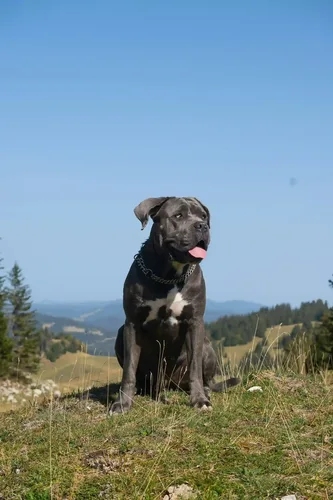
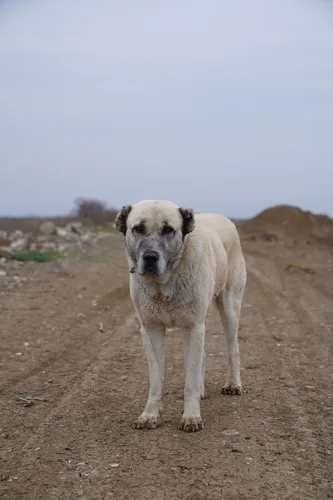
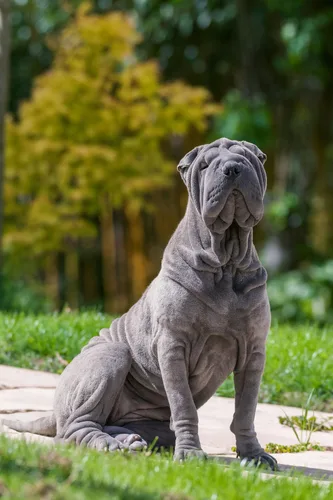
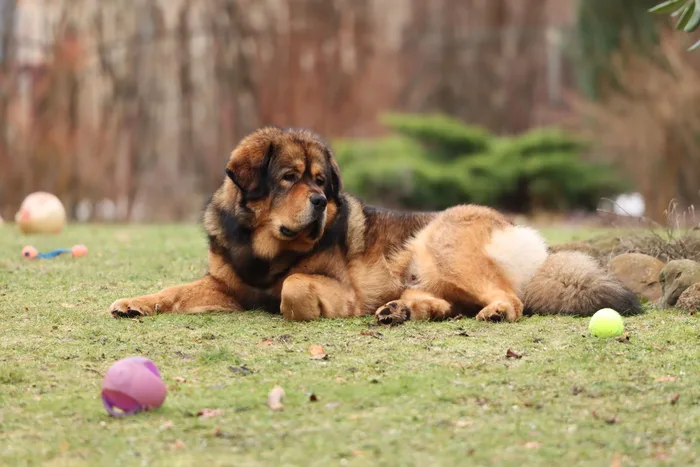
Chosen from all groups: breeds of the same size, ordered by how closely their coat length, coat type and activity level match. The notes show how each breed differs from this one.
- Bloodhoundbarks more
- Boerboelheavier
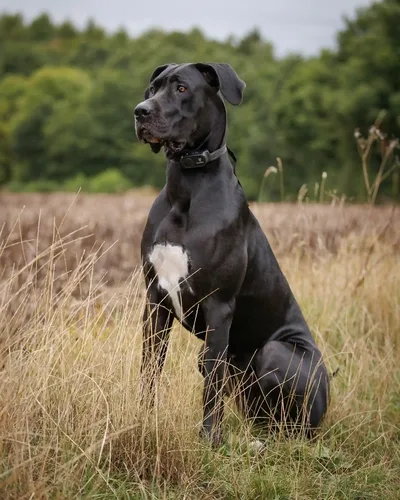
- Great Daneheavier
- Greyhoundlighter
- Kangal Shepherd Dogbarks more
Compare Rottweiler with another breed
Which other breeds might suit me?
Visit the Breeds page: with the filters and the quiz there you can get to know the breeds better.