Origins
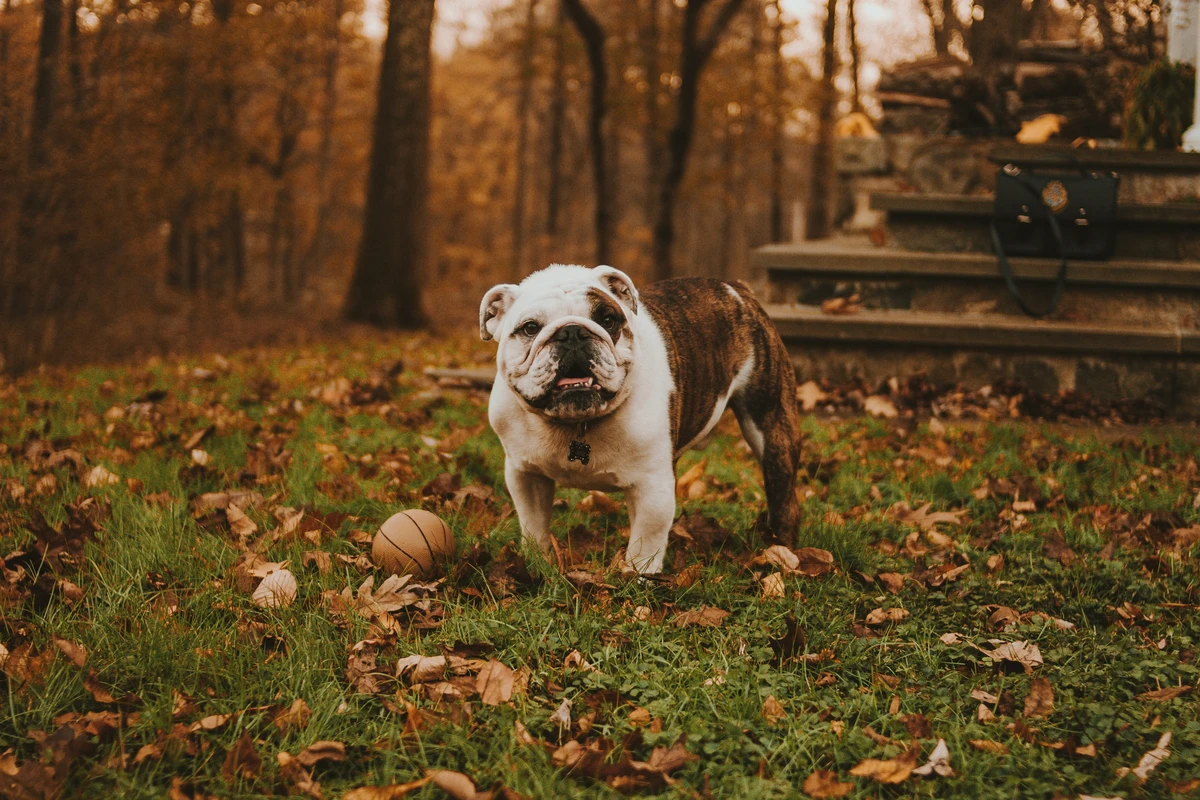
The Bulldog descends from the old English mastiff-type dogs used for bull baiting, a cruel sport banned in Britain in 1835. When the sport ended, breeders turned the dog into a gentle companion and gave it the heavy, short-faced shape we know today. The first breed club was founded in 1875, and the Bulldog became a national symbol of Britain, compared in cartoons to the character of the country itself. Modern breeding focuses on health, breathing and mobility.
Lifestyle
Walks: Two or three short walks, about 30 to 45 minutes in total. A Bulldog enjoys a slow stroll and sniffing around more than a run. In hot weather go out early or late.
Being alone: It can manage a few hours alone, but it prefers to be with people. Without company it may become bored and sulk.
At home: A true homebody. It likes a cool spot on the floor, a soft bed or the sofa next to you. Expect snoring, snorting and a calm presence.
Children: Patient and gentle with children, and sturdy enough to put up with some noise. Still, supervise toddlers, as the Bulldog is heavy and dislikes rough handling.
Other animals: Usually friendly with other dogs and pets. Some males can be pushy with other dogs, so socialise early.
Play and activities: Short games, gentle fetch and sniffing walks suit it. Training is best kept short and rewarded with treats, since it is easy-going but not eager to work hard.
Daily routine: A calm rhythm of short outings, meals and long naps. Plan for the cool parts of the day and give it a comfortable place to rest.
Care essentials
Practical advice, not a medical opinion. For any health question, ask your vet.
Coat: Brush the short coat once a week.
Ears, paws and teeth: Every day, wipe the folds on the muzzle and above the nose with a damp cloth and dry them well. Clean the teeth and gums regularly: with the short muzzle, the teeth are crowded. Wipe the paw pads after walks.
Worth knowing: In warm weather walk briefly and slowly, and always provide shade and fresh water. Watch the weight: it loves its food.
Breathing: Short-muzzled dogs have narrow airways, so heat, excitement and exertion tire them quickly. Noisy, snoring breathing and panting at rest are a reason to take the dog to the vet.
More about everyday health in the dog health & care guide.
Fun facts
The English Bulldog has become one of the national symbols of Britain and stands for resilience and courage.
A Bulldog called Handsome Dan became Yale University's mascot in 1889. Since then different dogs have played the role in turn, and each carries the same name.
Because of the heavy head, broad chest and short legs, many Bulldogs do not stay afloat well in water. Swimming without a special life jacket can therefore be dangerous for them.
FAQ
This breed is a great fit if you
- Want a calm, affectionate indoor companion
- Enjoy short, relaxed walks
- Live in a flat or small house
- Are at home for much of the day
It may not be a fit if you
- Want a dog for running, hiking or long outings
- Live in a very hot climate
- Dislike snoring, drool and snorting
- Are away from home most of the day
Is it suitable for allergy sufferers?
Heavy shedding. No dog is completely hypoallergenic: allergens come from saliva, skin and dander, not only from hair. Reactions are individual, so spend time with the dog before you decide and talk to an allergist if you are unsure.
Which breeds are similar to Bulldog?
Chosen from all groups: breeds of the same size, ordered by how closely their coat length, coat type and activity level match. The notes show how each breed differs from this one.
- Basset Houndbarks more
- American Pit Bull Terriermore energetic, sheds less
- American Staffordshire Terriermore energetic
- Azawakhmore energetic
- Bull Terriermore energetic, barks more
Compare Bulldog with another breed
Which other breeds might suit me?
Visit the Breeds page: with the filters and the quiz there you can get to know the breeds better.