Origins
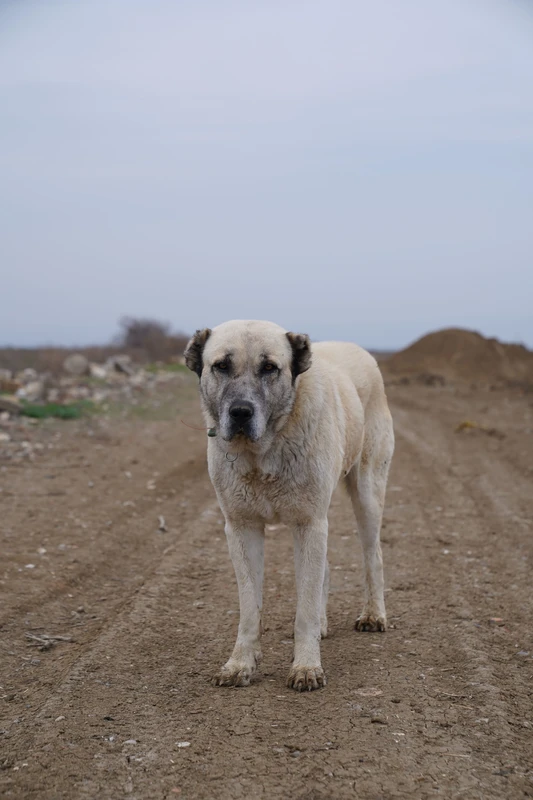
The Kangal Shepherd Dog, known outside the FCI as the Anatolian Shepherd Dog, is an ancient livestock guardian from the plains of Anatolia in Turkey. For centuries it lived with shepherds and their flocks, guarding sheep against wolves and bears without herding them. The dogs were bred for endurance, independence and the ability to work alone in a harsh climate. Turkey began to record the breed in the 1970s, and it spread to Europe and the United States as a working guardian and a calm, imposing family dog.
Lifestyle
Walks: An hour and a half a day of steady walking, plus a large space to patrol. Keep it on a lead in public: it is strong and protective.
Being alone: It is independent and can be alone with a large, secure space, but needs company too. It often barks at night.
At home: Calm and watchful, often resting during the day and active at night. Expect barking when it senses something outside.
Children: Gentle with its own family's children, but reserved with visitors and other children. Supervise play with small kids.
Other animals: Often reserved or dominant with unfamiliar dogs. With animals it was raised with, it is a calm protector.
Play and activities: Long walks and patrol of the property. Training is about respect and calm routines, not repetition.
Daily routine: Rests in the day, active at dusk and night. Offer shade in the heat.
Care essentials
Practical advice, not a medical opinion. For any health question, ask your vet.
Coat: The thick double coat only needs brushing once a week, but more often during seasonal shedding. Bathe rarely: the thick coat repels dirt well. When it sheds, it is better to brush it out of doors than in the house.
Ears, paws and teeth: Pay special attention to the condition of the ears, teeth and claws.
Worth knowing: In hot weather provide constant access to shade and fresh water: despite coming from a region with hot summers, the thick coat calls for caution at high temperatures.
More about everyday health in the dog health & care guide.
Fun facts
In Namibia, Anatolian Shepherds are used to protect livestock from cheetahs. The dogs scare off the predators, helping farmers cut animal losses and reduce the number of cheetahs shot.
The breed took shape on the Anatolian Plateau in Turkey, where the dogs had to endure both hot summers and harsh winters while guarding flocks in the open.
The American Kennel Club (AKC) officially recognised the Anatolian Shepherd in 1996. Before that, the breed had long been used in Turkey to guard sheep and goats from wolves and other predators.
FAQ
This breed is a great fit if you
- Have a large property and a very high fence
- Have experience with guardian breeds
- Want a calm, independent guardian
- Can give early socialisation
It may not be a fit if you
- Live in a flat or close to neighbours
- Want a dog that welcomes visitors
- Are a first-time owner
- Dislike barking, especially at night
Is it suitable for allergy sufferers?
Noticeable shedding. No dog is completely hypoallergenic: allergens come from saliva, skin and dander, not only from hair. Reactions are individual, so spend time with the dog before you decide and talk to an allergist if you are unsure.
Which breeds are similar to Kangal Shepherd Dog?
Chosen from all groups: breeds of the same size, ordered by how closely their coat length, coat type and activity level match. The notes show how each breed differs from this one.
- Bloodhoundbarks more
- Boerboelheavier, quieter
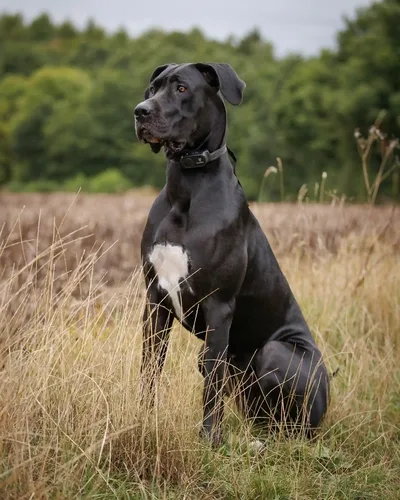
- Great Danequieter
- Greyhoundlighter
- Rottweilerquieter
Compare Kangal Shepherd Dog with another breed
Which other breeds might suit me?
Visit the Breeds page: with the filters and the quiz there you can get to know the breeds better.