Summary
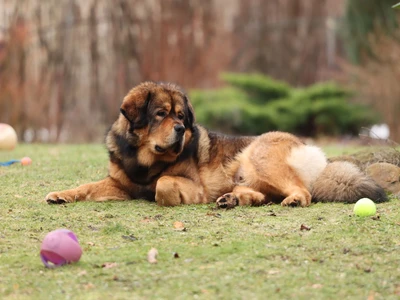
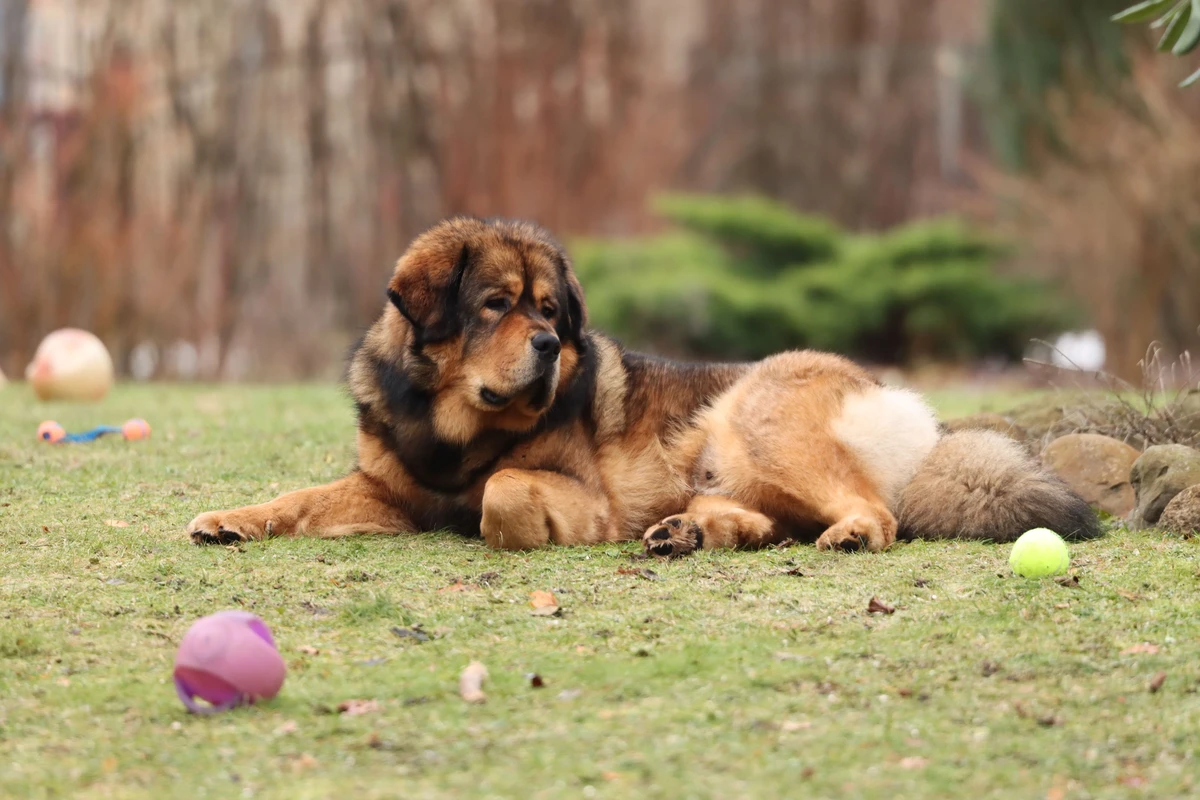
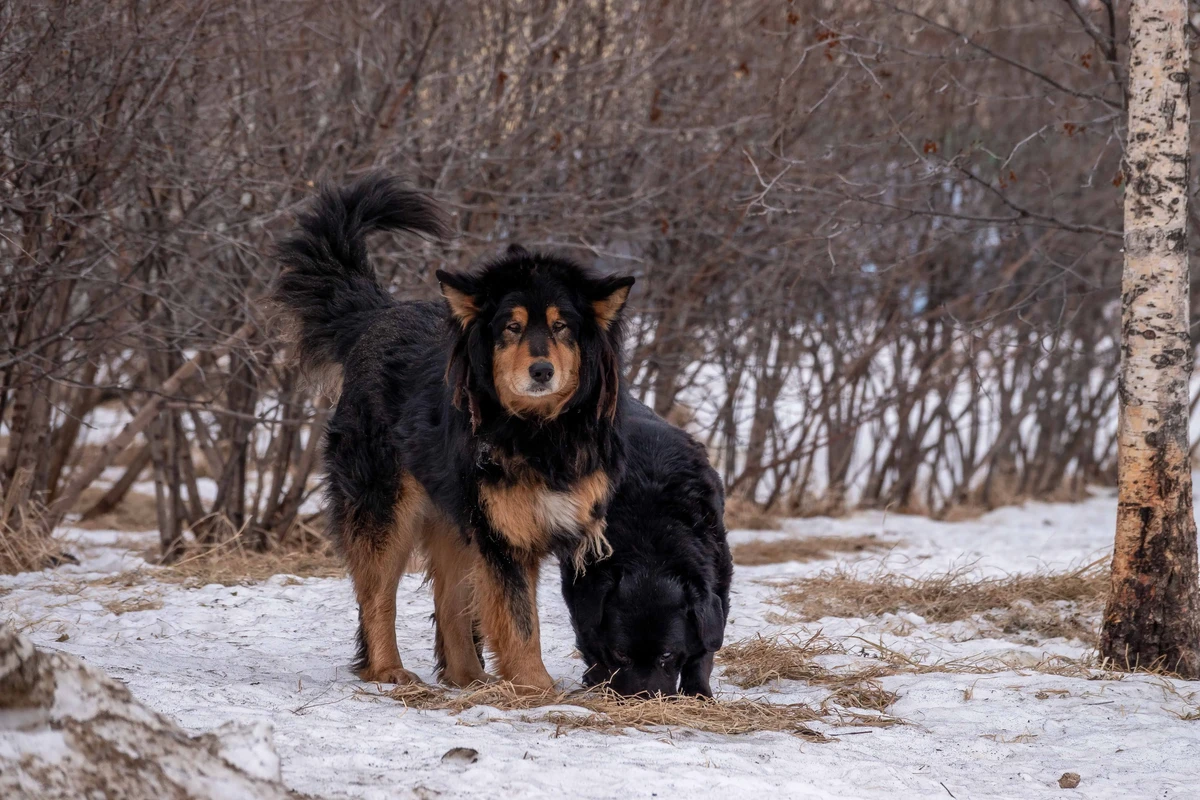
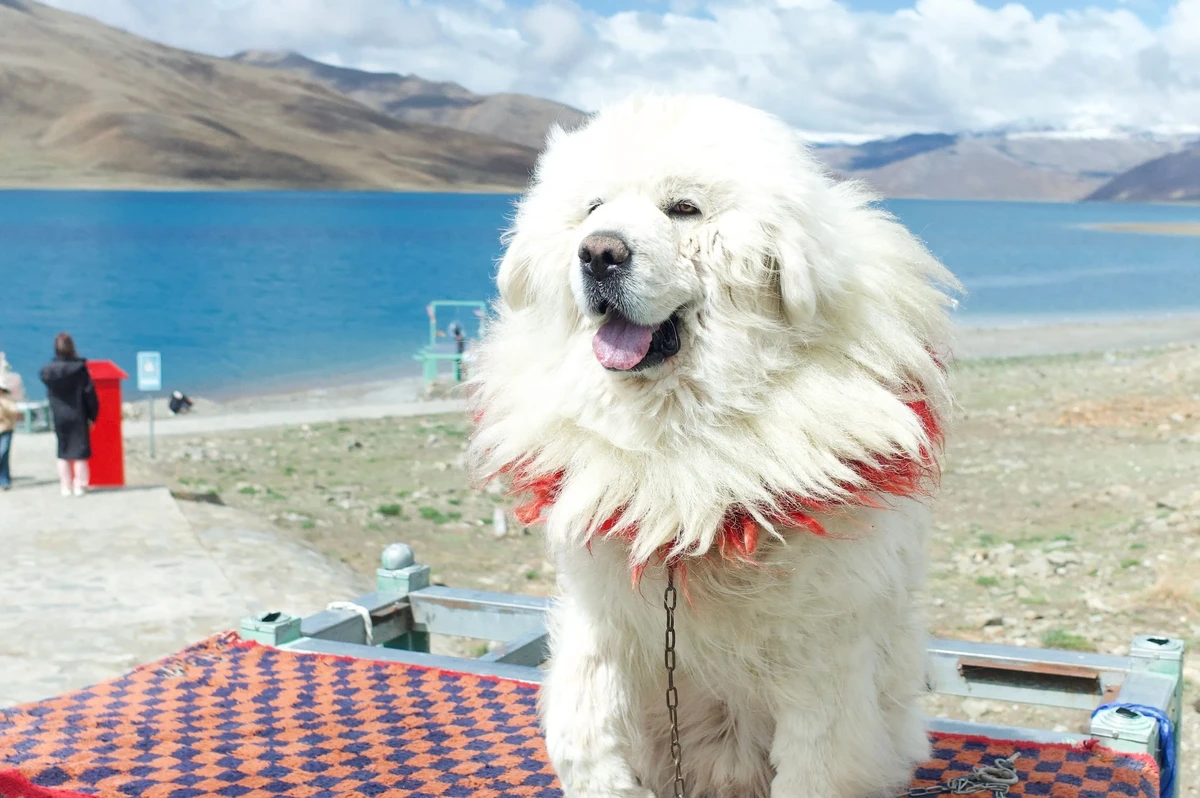
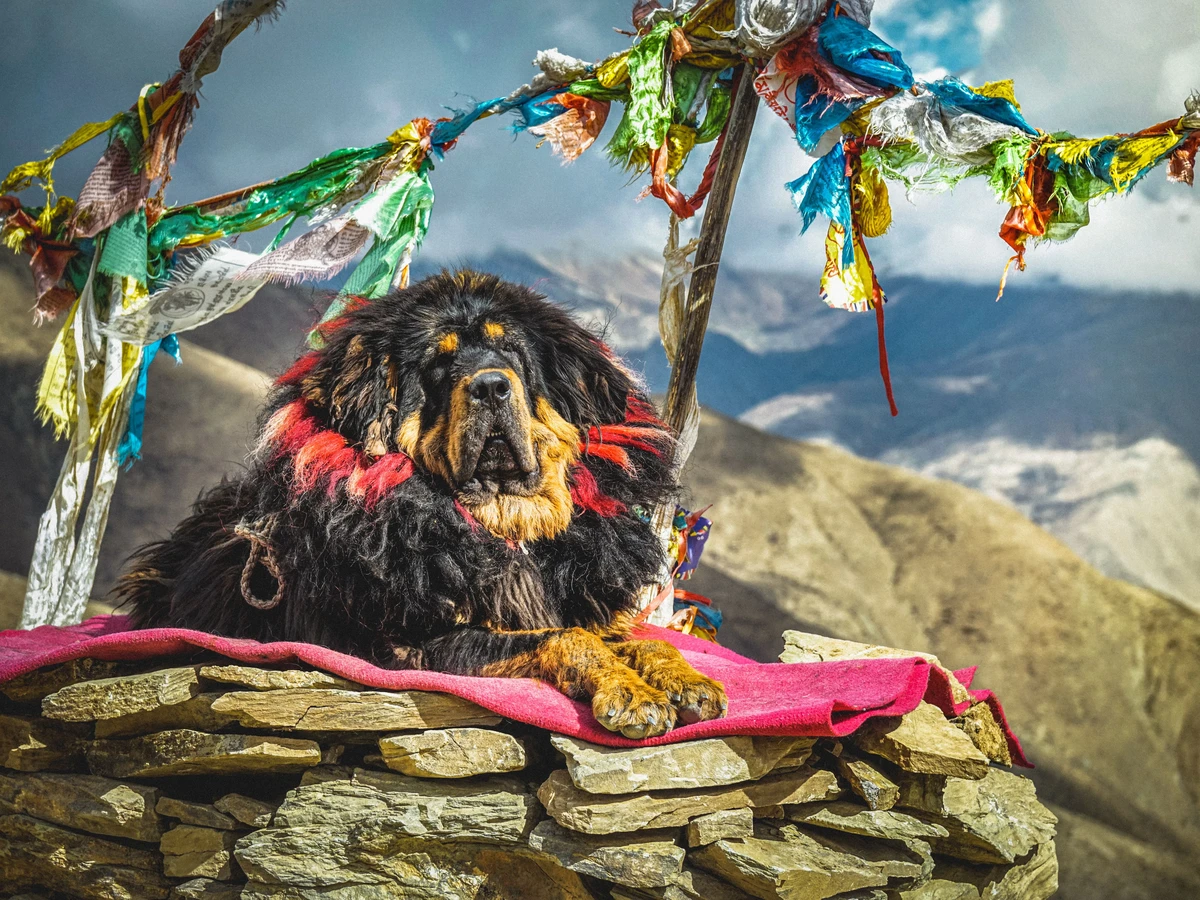
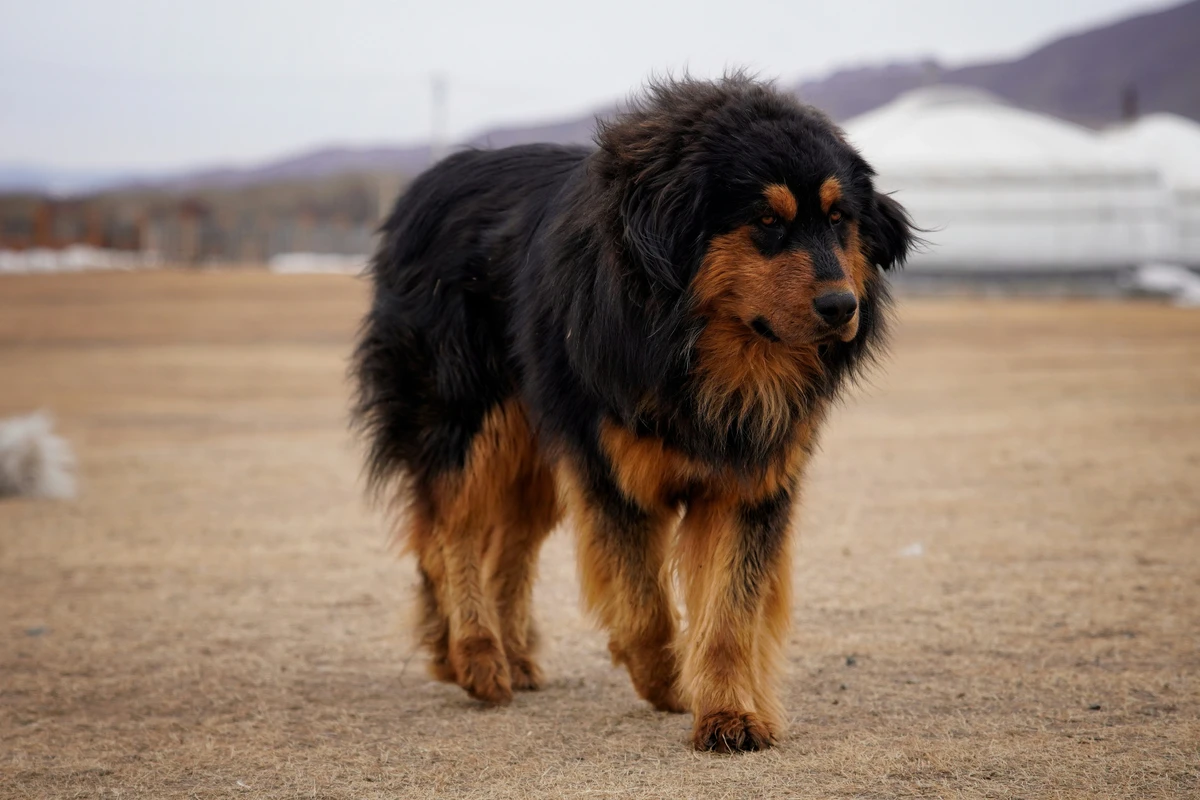
The Tibetan Mastiff is a massive, ancient flock-guarding dog from the high plateaus of the Himalayas, built to live outdoors and defend livestock, homes and monasteries from wolves and snow leopards. Powerful and heavily boned, with a thick double coat and a lion-like mane, it carries itself with calm dignity. Independent and deeply loyal, it is gentle with its own family but reserved and watchful with strangers. Slow to mature and strong-willed, it needs an experienced owner, plenty of space and firm, patient training.
History & origin
The Tibetan Mastiff is one of the oldest and most primitive of the large flock-guarding breeds, kept for centuries by nomadic herders and monasteries on the Tibetan plateau, where it guarded sheep, yaks and settlements from predators. Marco Polo and early European travellers described huge Tibetan dogs, and the first specimens reached the West in the eighteenth and nineteenth centuries, with the British importing several in the 1800s. The breed was standardised in the twentieth century and recognised by the FCI; today it remains a rare but respected guardian, prized for its independence and protective instinct rather than for obedience.
Care
The Tibetan Mastiff has a thick double coat built for harsh mountain weather: a long, straight outer coat over a dense, woolly undercoat. It needs regular brushing — several times a week, and daily during the heavy seasonal moult, when it sheds enormous amounts — and bathing only occasionally. The breed is happiest with space to patrol and moderate daily exercise; long, energetic workouts are neither necessary nor wanted, especially in warm climates, to which the Tibetan Mastiff is poorly suited. Training must be patient, calm and consistent: this is an intelligent but strong-willed, independent dog that questions rather than obeys, and it matures slowly, sometimes only fully grown at three or four years. Early, gentle socialisation is essential.
Conditions
The Tibetan Mastiff suits owners with space, experience and patience, ideally in a cool climate and a home with a large, secure garden; it is not a dog for a small flat or a first-time owner. Calm and quiet indoors, it becomes a serious, fearless guardian at night, and its deep reserve with strangers makes it an excellent watchdog. Loyal and gentle with its own family, it can still be too powerful and independent for small children to manage. It needs a job, a territory and clear, kind leadership, and it does badly when left alone for long or crowded into city life. Given room, purpose and patient handling, it is a devoted — if formidable — family guardian.