

Summary
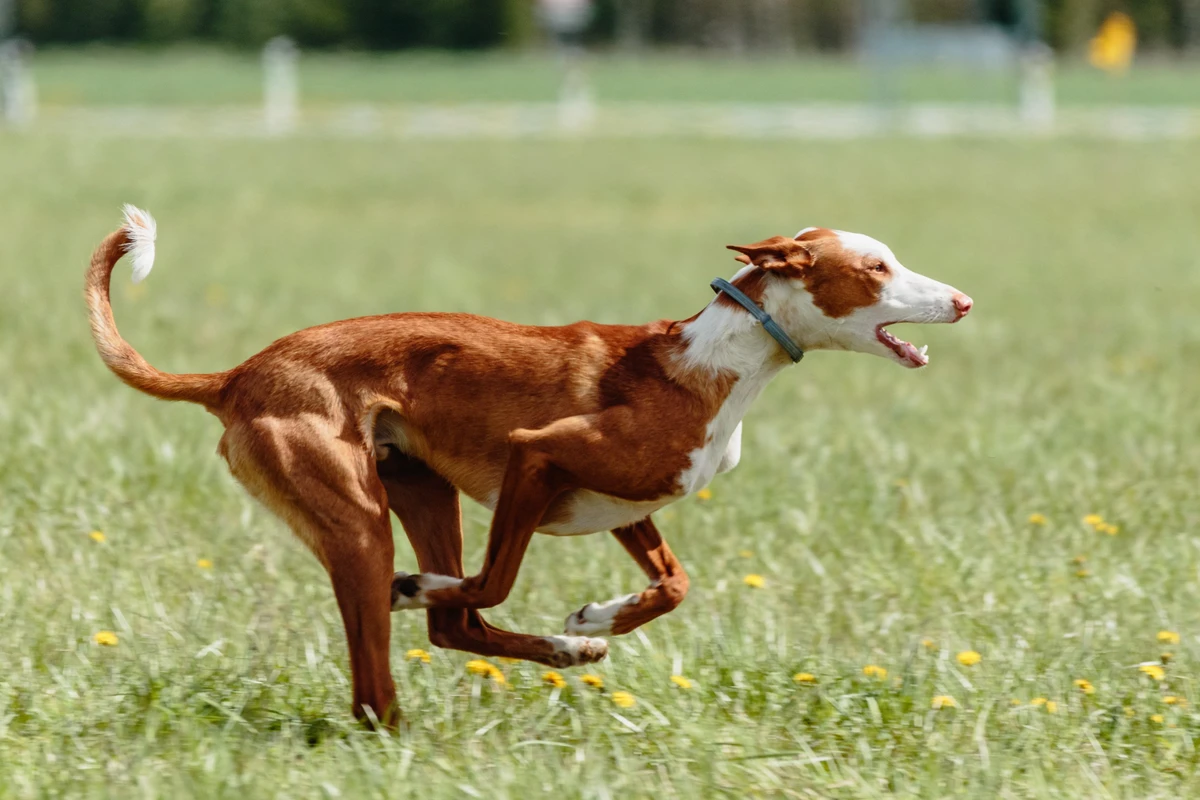
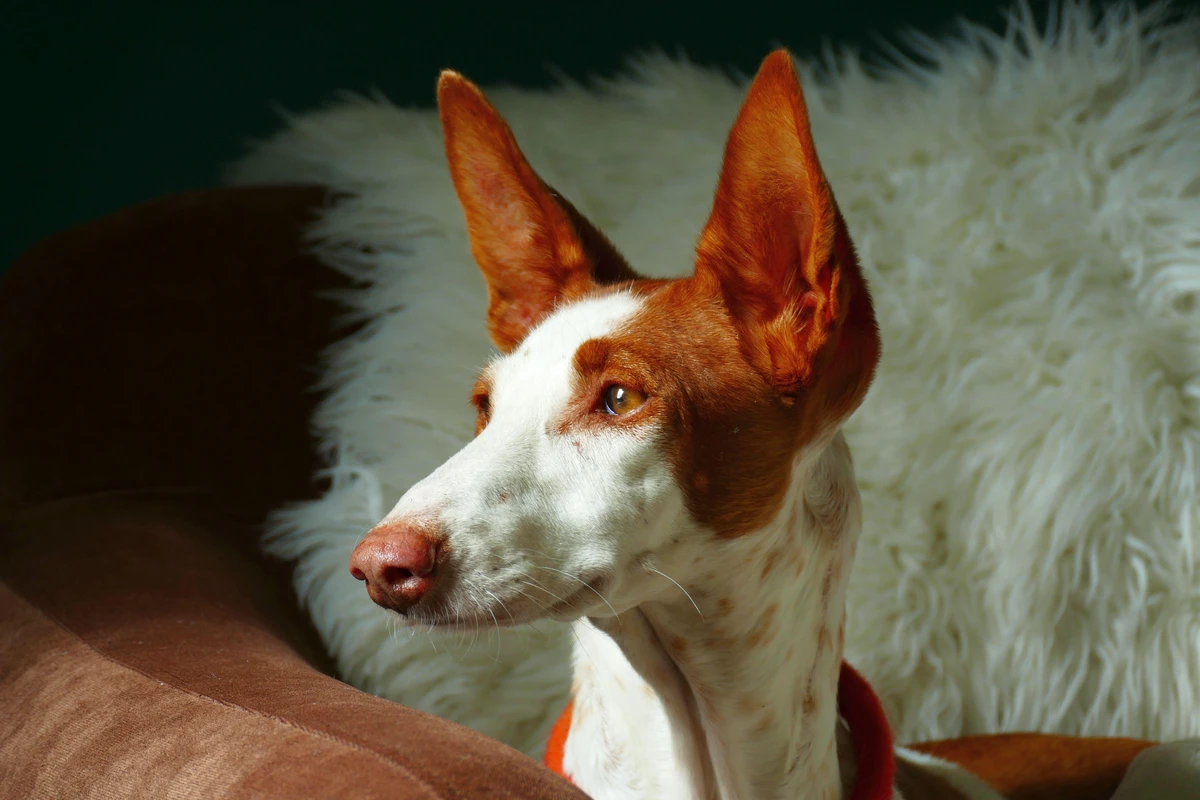
The Ibizan Podenco, also known as the Ibizan Hound, is a slender, athletic rabbit-hunting sighthound from the Balearic island of Ibiza. Tall, light-boned and famously agile, it can spring almost vertically and works by scent and hearing as much as by sight. It comes in smooth-haired and rough-haired varieties, most often white, red or a combination of the two. Gentle, calm and affectionate at home, the Ibizan Podenco is independent, sensitive and full of energy, needing plenty of free running and a patient, kind owner.
History & origin
The Ibizan Podenco is an ancient Mediterranean hunting breed, descended from the swift, prick-eared hounds brought to the Balearic Islands by traders and settlers thousands of years ago — Phoenicians, Carthaginians and Romans among them. On Ibiza and the other islands it became the rabbit-hunter's dog, working without guns by day and night, using scent and hearing to find game in dense cover and speed and agility to catch it. The breed was recognised by the FCI in 1982 and remains a working hunting dog in Spain as well as a graceful companion abroad.
Care
The Ibizan Podenco comes in a smooth-haired, a rough-haired and a longer-haired type; the smooth coat is strong and glossy and needs only an occasional rub with a hound glove, while the rough and long coats need a little brushing to keep them tidy and to remove dead hair. All shed moderately. Their thin skin and fine coat mean Podencos feel the cold and often appreciate a coat in winter, and their light build makes them prone to injury, so exercise should be sensible. This is a high-energy sighthound that needs real daily running in a safe, enclosed space, plus long walks; boredom and confinement make it destructive. Training must be gentle and patient — the breed is intelligent but independent, sensitive to harsh handling and easily distracted by scent. Excellent at jumping and climbing, it needs secure fencing.
Conditions
The Ibizan Podenco suits active owners who can give it plenty of daily exercise and a safe, well-fenced space to run, ideally in a mild climate, as it dislikes the cold. Indoors it is quiet, clean and gentle, affectionate with its family and usually good with children and other dogs, though its hunting instinct makes it unsafe with cats and small pets unless raised with them. Reserved with strangers, it is a watchful rather than a guarding dog. It dislikes being left alone for long and does badly in a cramped home without a job to do. With room, warmth and kind, consistent handling, it is an elegant, loyal and entertaining companion.