Summary
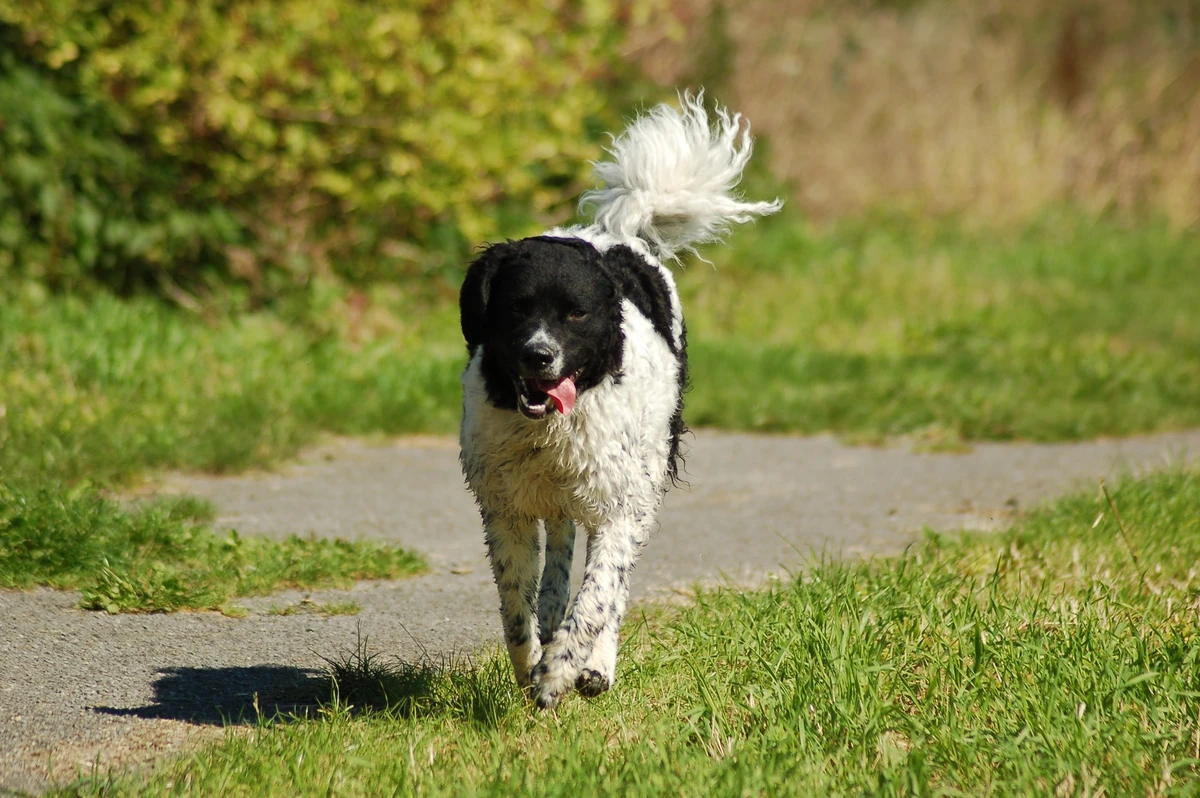
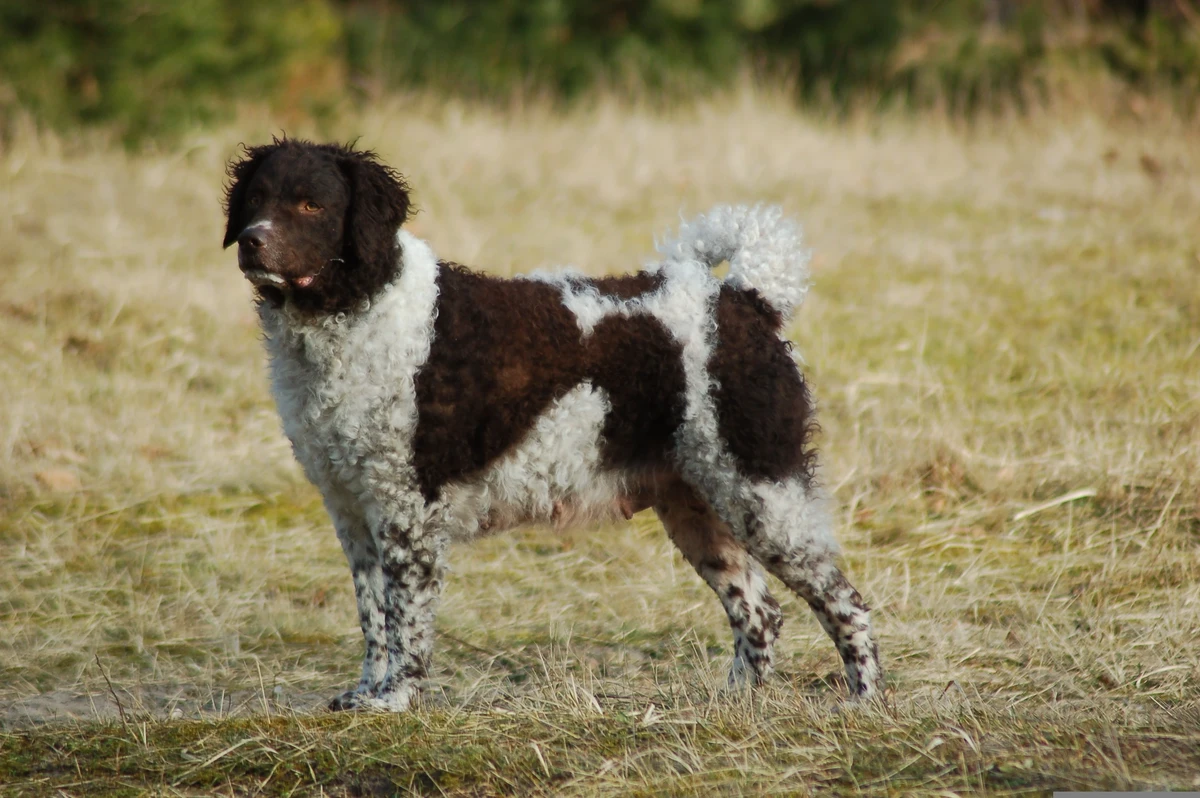
The Wetterhoun, or Frisian Water Dog, is a sturdy, square-built Dutch gun dog with a coat of tight, greasy curls and a calm, self-possessed character. Bred in Friesland to work as an otter hunter and yard guard, it is a versatile dog that retrieves from water, flushes game and watches over the farm. It is reserved with strangers and deeply loyal to its own people, intelligent but independent, and needs an owner who offers firm, patient guidance. Strong, active and weatherproof, it thrives with work to do, daily exercise and plenty of close contact with its family.
History & origin
The Wetterhoun comes from the Dutch province of Friesland, where it has been kept for centuries as a farm and hunting dog. Its name means «water dog», and it was traditionally used to hunt otters and other water vermin, to retrieve from water and to guard the yard. Legend has it that the breed was brought to Friesland by gypsies and sailors from around the Baltic, but its true origins are uncertain; what is clear is that Frisian farmers bred it for toughness, a waterproof coat and a steady, watchful temperament. The breed was recognised by the FCI in 1959 and remains rare outside the Netherlands, kept by enthusiasts as both a working dog and a companion.
Care
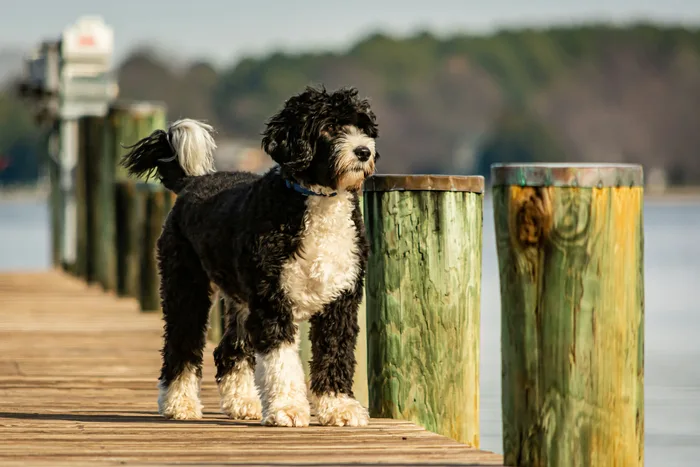
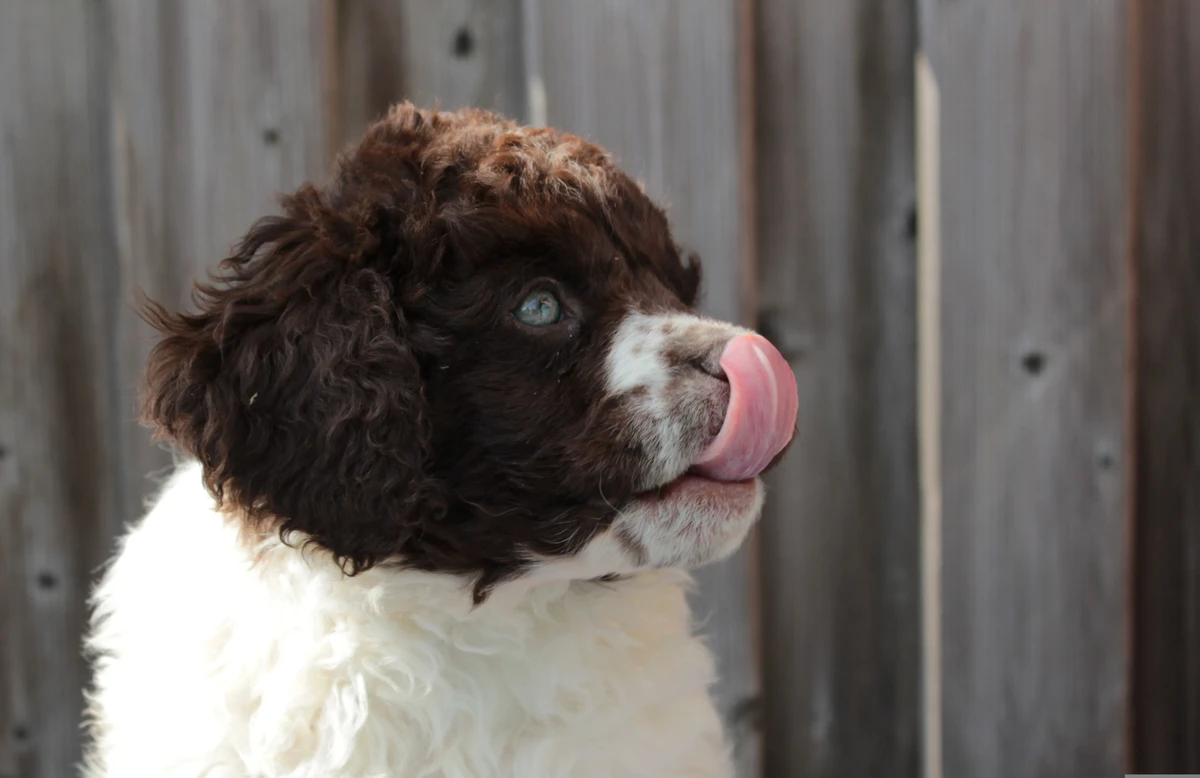
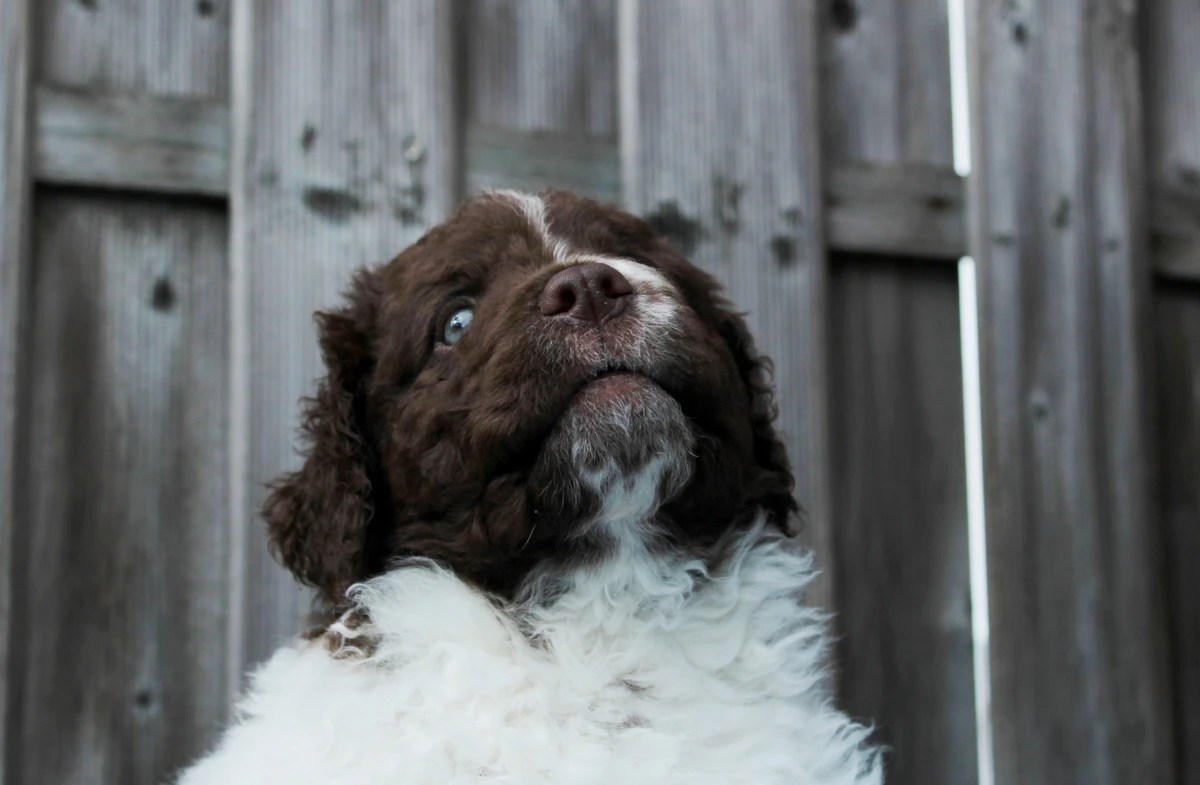
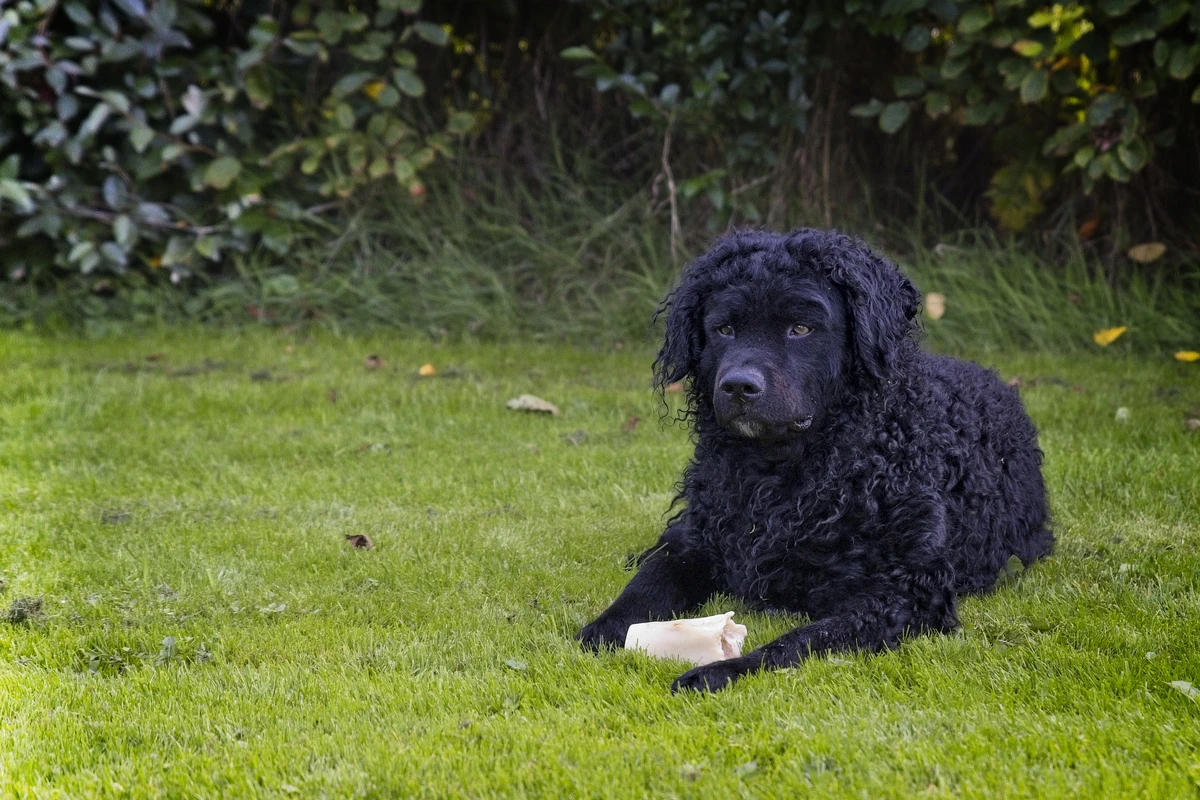
The Wetterhoun's coat is its most distinctive feature and its main grooming demand: dense, firm curls over the body, with shorter, smoother hair on the head and legs and a naturally greasy, water-resistant texture. It should be brushed or combed regularly — two or three times a week — to prevent mats, and the ears and the hair between the toes need checking. The coat sheds moderately and should not be bathed too often, as frequent washing strips the natural oils that keep it waterproof. This is a powerful, active working breed that needs plenty of daily exercise plus swimming, retrieving and scent games to stay content. Training must be kind, consistent and started early — the Wetterhoun is intelligent and willing but also independent and strong-willed, so harsh methods backfire.
Conditions
The Wetterhoun suits active owners who can give it a job, plenty of exercise and plenty of company. It is a calm, tidy dog indoors but a serious, watchful guard outside, reserved with strangers and devoted to its family. It is generally good with children and other pets when raised with them, though its hunting instinct means small animals need care. Because it was bred to work in cold water, it loves swimming and outdoor life and does best in a home with a garden and access to water or long country walks. It dislikes being left alone for long and can become bored and destructive without enough to do. With space, purpose and patient, consistent handling, it is a loyal and level-headed companion.