

Summary
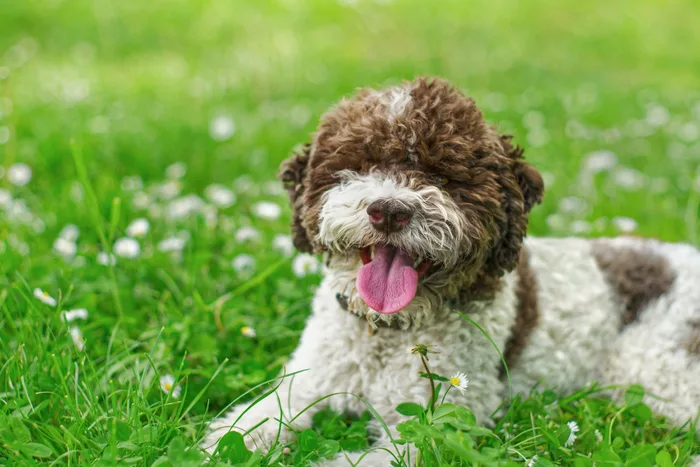
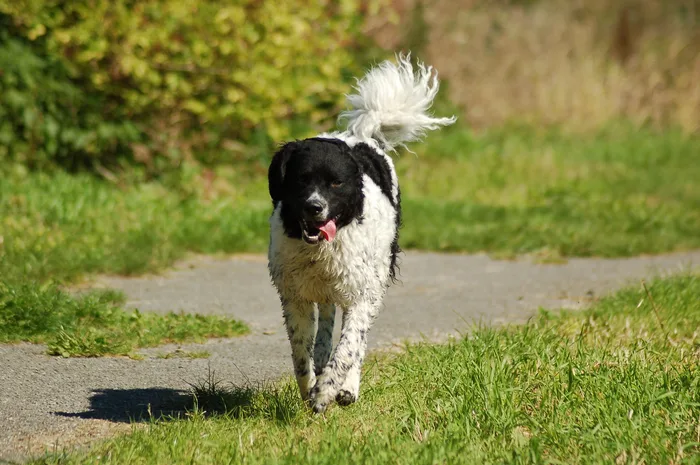
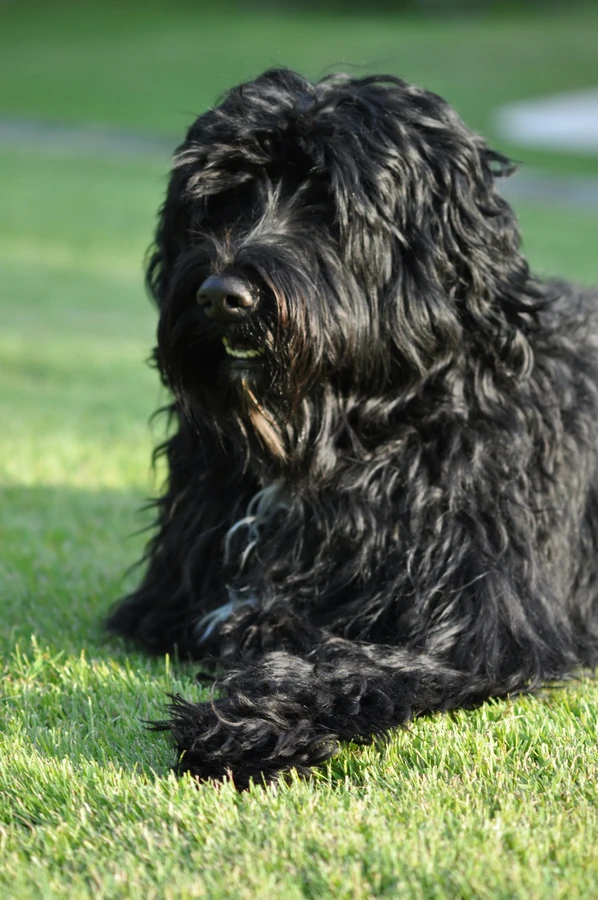
The Portuguese Water Dog, or Cão de Água Português, is a medium-sized, strongly built working dog bred to help fishermen along the Portuguese coast — herding fish into nets, retrieving lost tackle and carrying messages between boats. Its coat comes in two official varieties, long and wavy or shorter and curly, both without an undercoat and both low-shedding. Intelligent, eager and remarkably people-oriented, it is an affectionate family dog that needs a job, plenty of exercise and regular grooming. It learns quickly and loves water, making it a natural at swimming, fetching and dog sports.
History & origin
The Portuguese Water Dog comes from the Algarve coast of southern Portugal, where for centuries it worked alongside fishermen as a true crew member: driving fish into nets, retrieving broken gear and lines, and carrying messages from boat to boat. The breed nearly disappeared in the twentieth century as fishing methods changed, but a devoted breeder, Vasco Bensaude, gathered the surviving dogs in the 1930s and rebuilt the population. The FCI recognised the breed in 1955, and it later became known worldwide, not least as the breed kept by several well-known families. It remains a working water dog and a much-loved companion.
Care
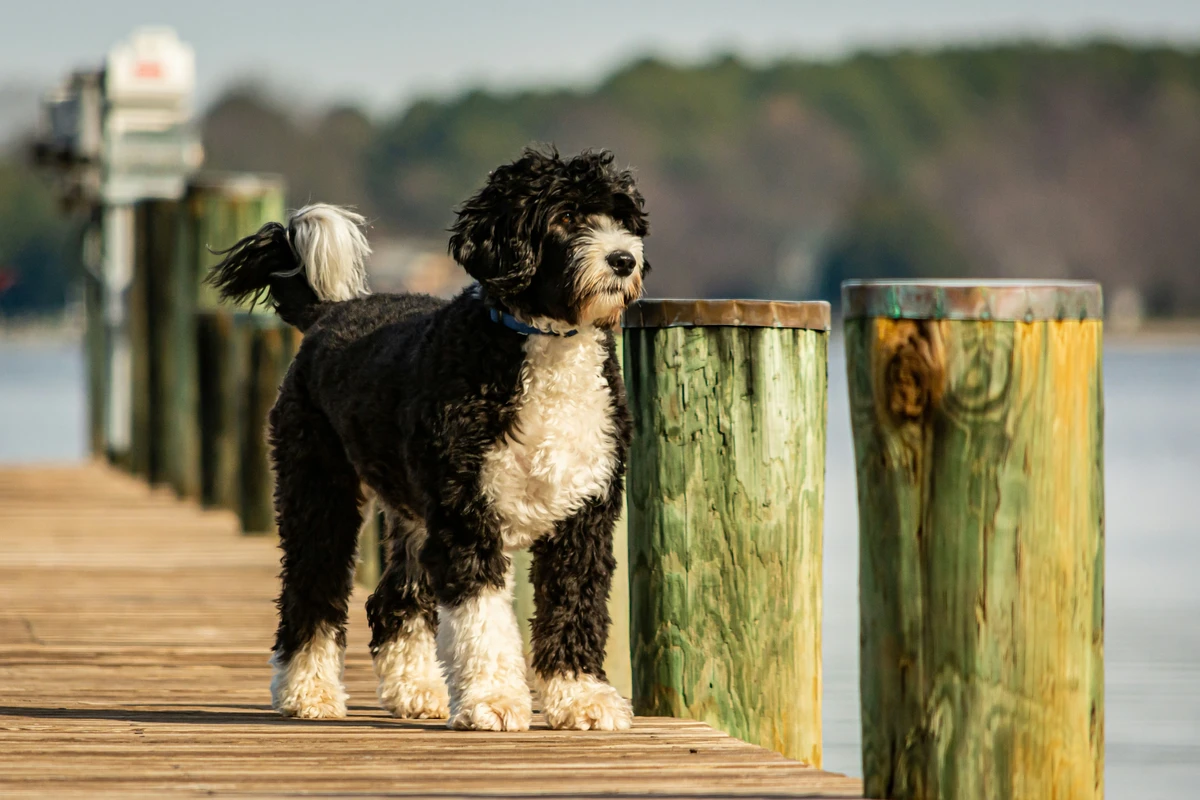
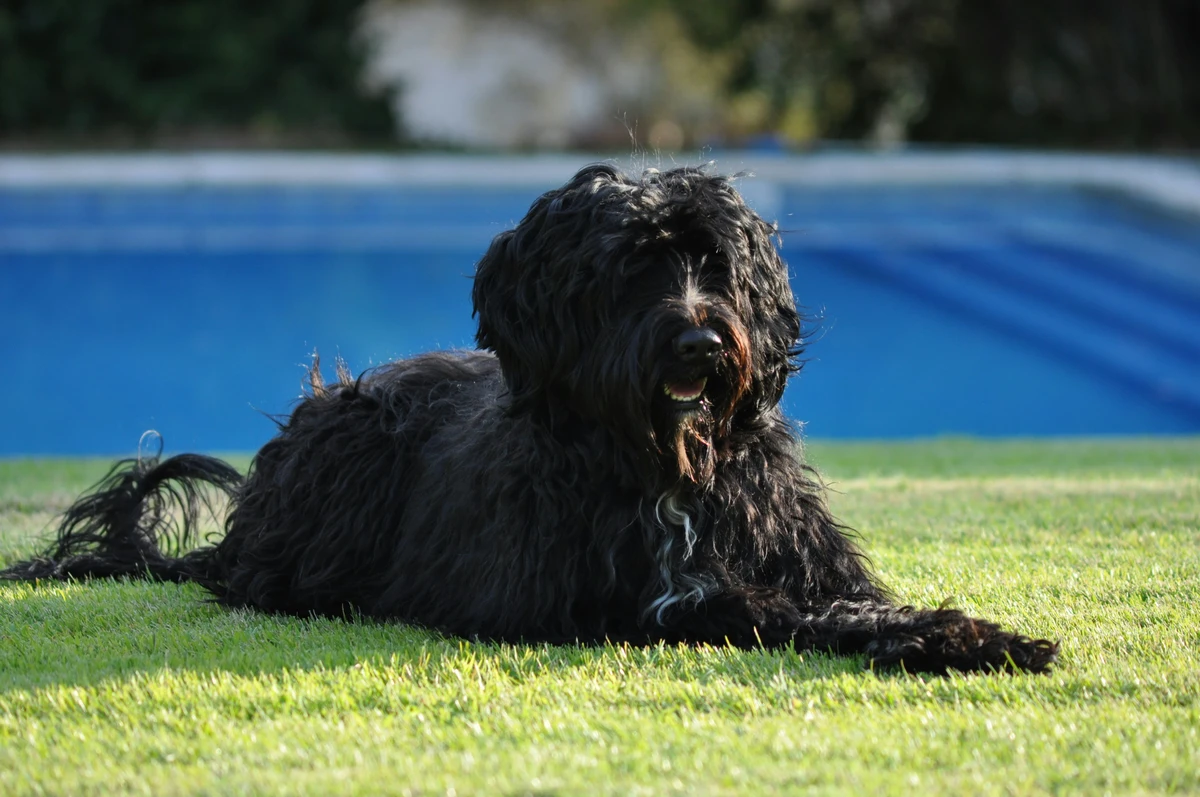
The Portuguese Water Dog has no undercoat and comes in two coat varieties — long and wavy or shorter and curly — neither of which sheds much, which is why the breed is often recommended for allergy sufferers. The trade-off is regular grooming: the coat must be brushed or combed several times a week and trimmed every month or two, and the traditional working clip leaves the hindquarters and muzzle short. Their webbed feet and water-loving nature mean they enjoy swimming, and they need plenty of daily exercise: brisk walks, fetching, water work or dog sports. Highly intelligent and willing, the breed trains easily with positive, consistent methods, but it is also sensitive and can be stubborn, so harsh handling backfires. Ears need regular checking and drying.
Conditions
The Portuguese Water Dog is an affectionate, people-loving family dog that wants to be part of everything its household does and dislikes being left alone for long. It suits active owners who can provide daily exercise, play and training, and it does best with a garden or good access to outdoor space and water, though it can adapt to a flat if its exercise needs are met. Good with children and other pets when properly socialised, it is also an alert watchdog. Its low-shedding coat is a plus indoors, but the grooming commitment is real. Bored and under-exercised, it can become destructive. With a job to do, kind training and plenty of company, it is a cheerful, loyal and endlessly enthusiastic companion.