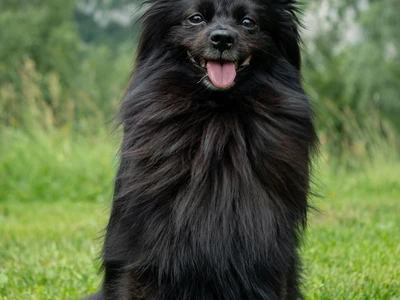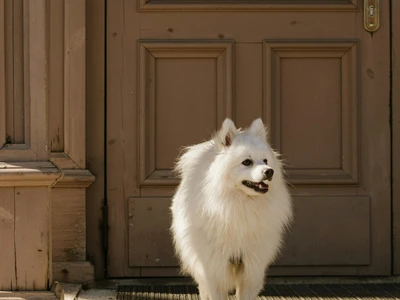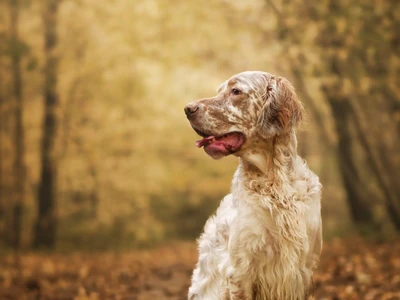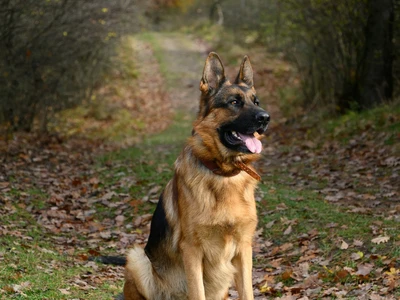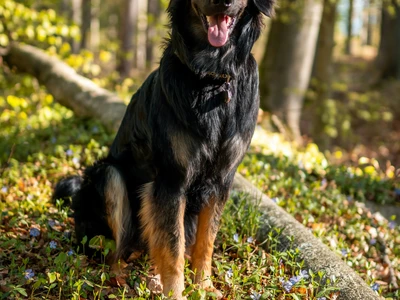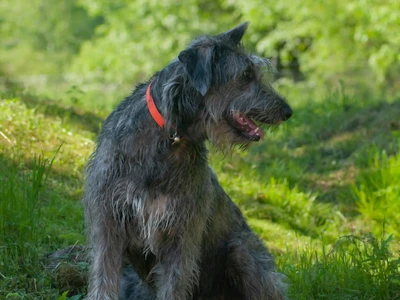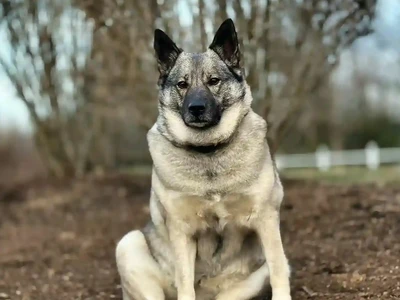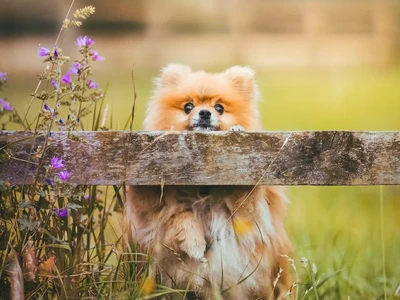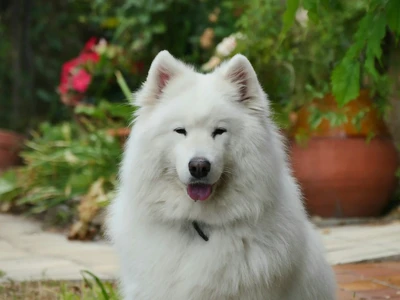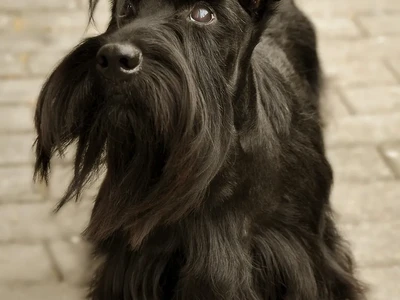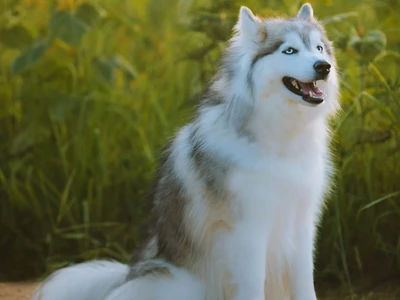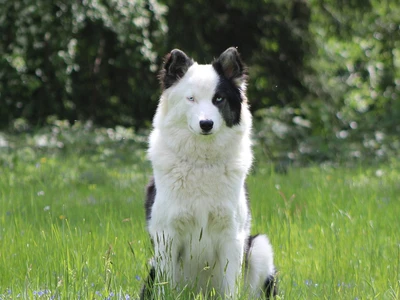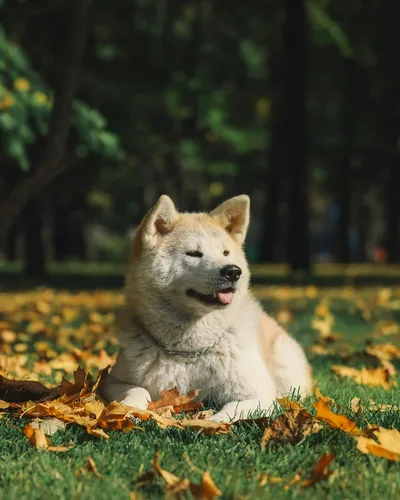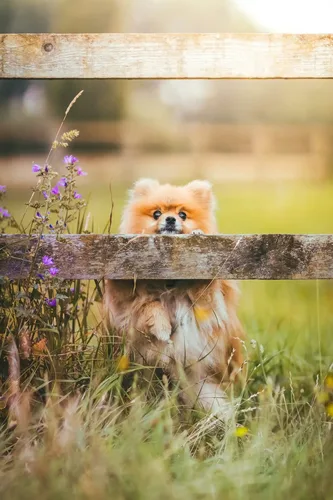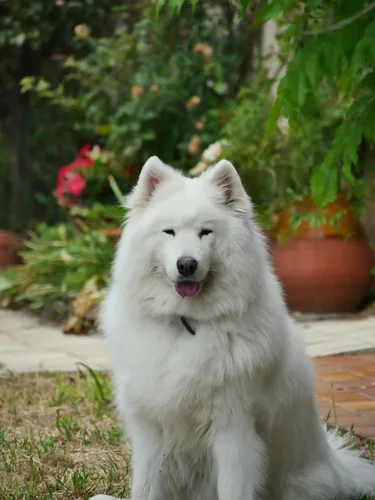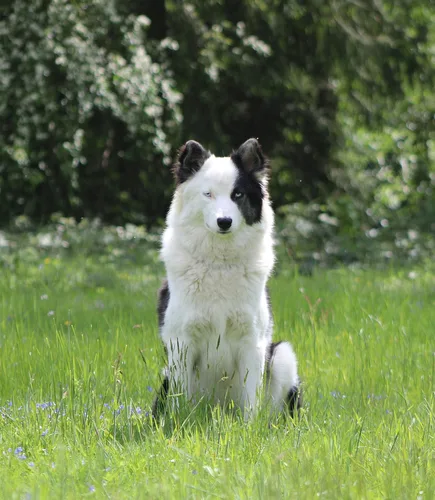
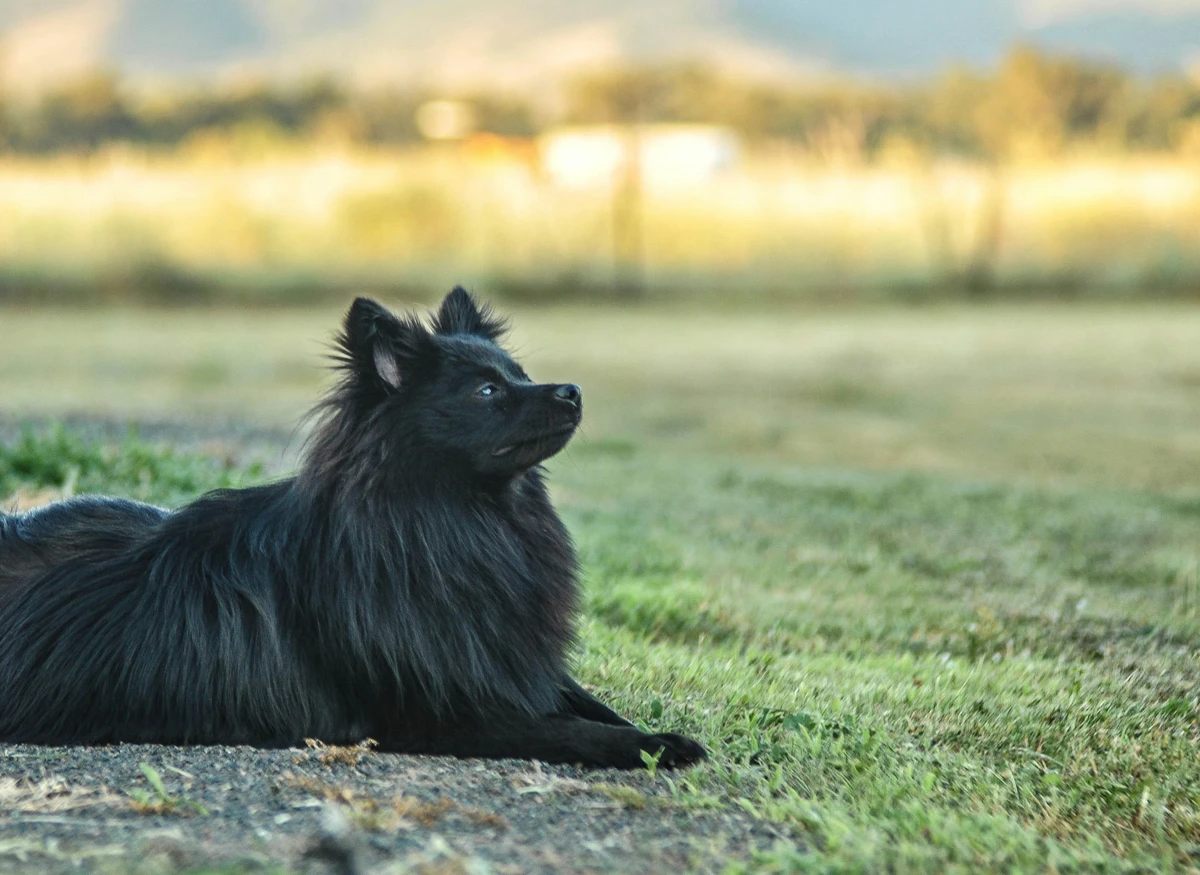
Varieties of German Spitz (links to breeds):
Keeshond (Wolfspitz),
Pomeranian
Varieties of German Spitz by size:
Miniature, Medium, Giant
Summary.
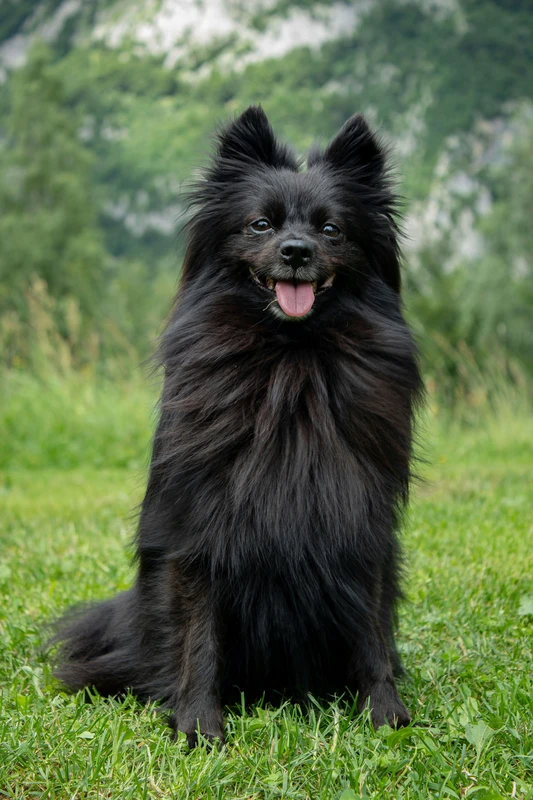
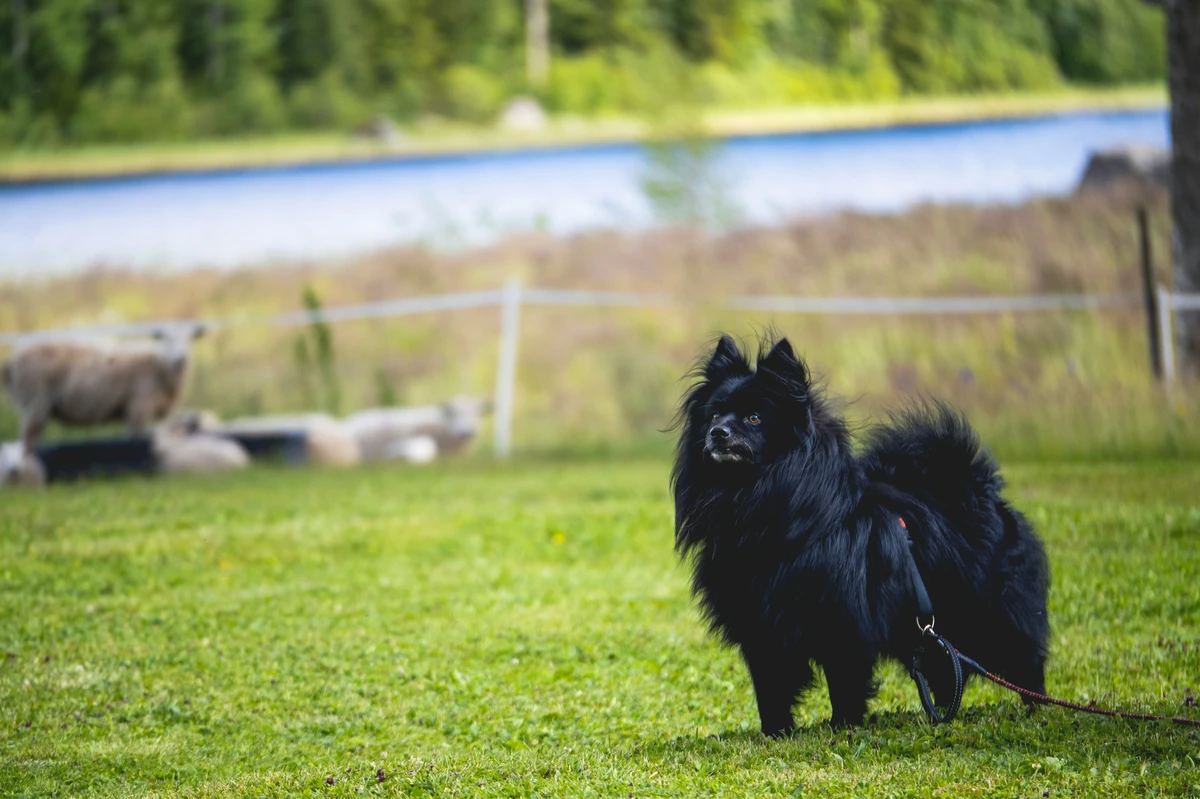
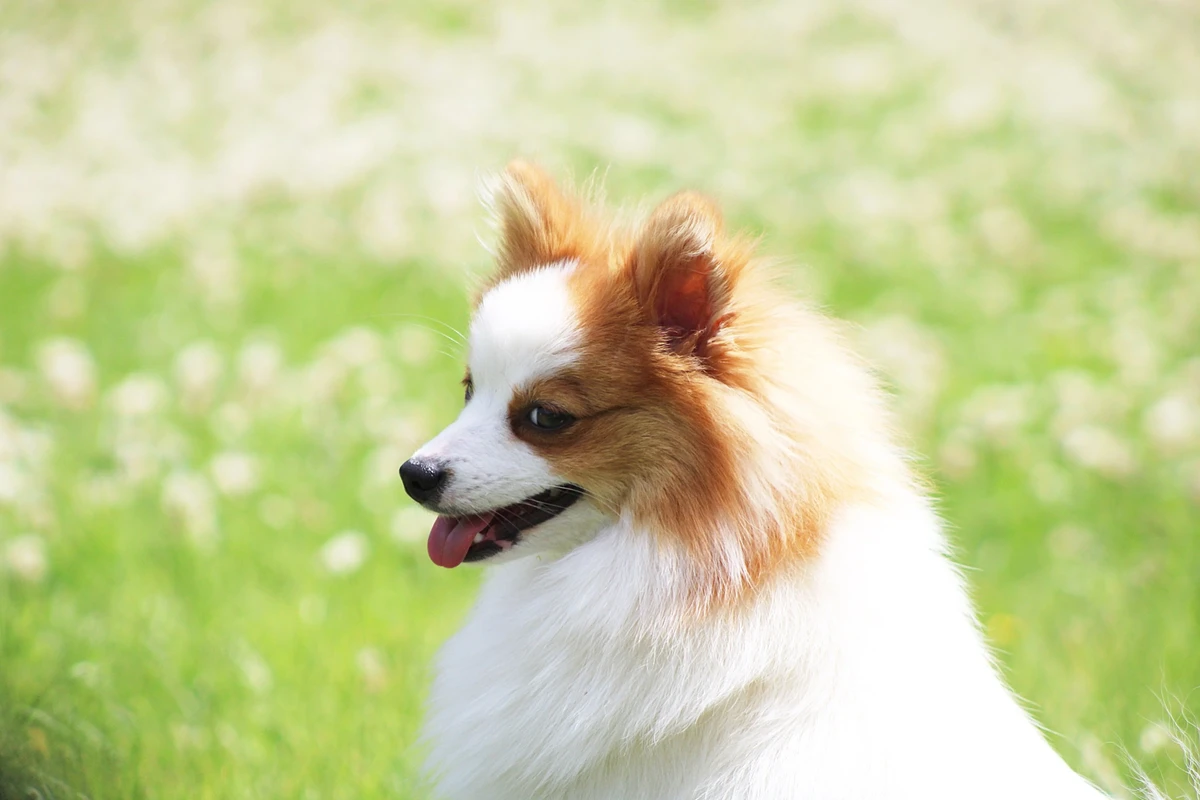
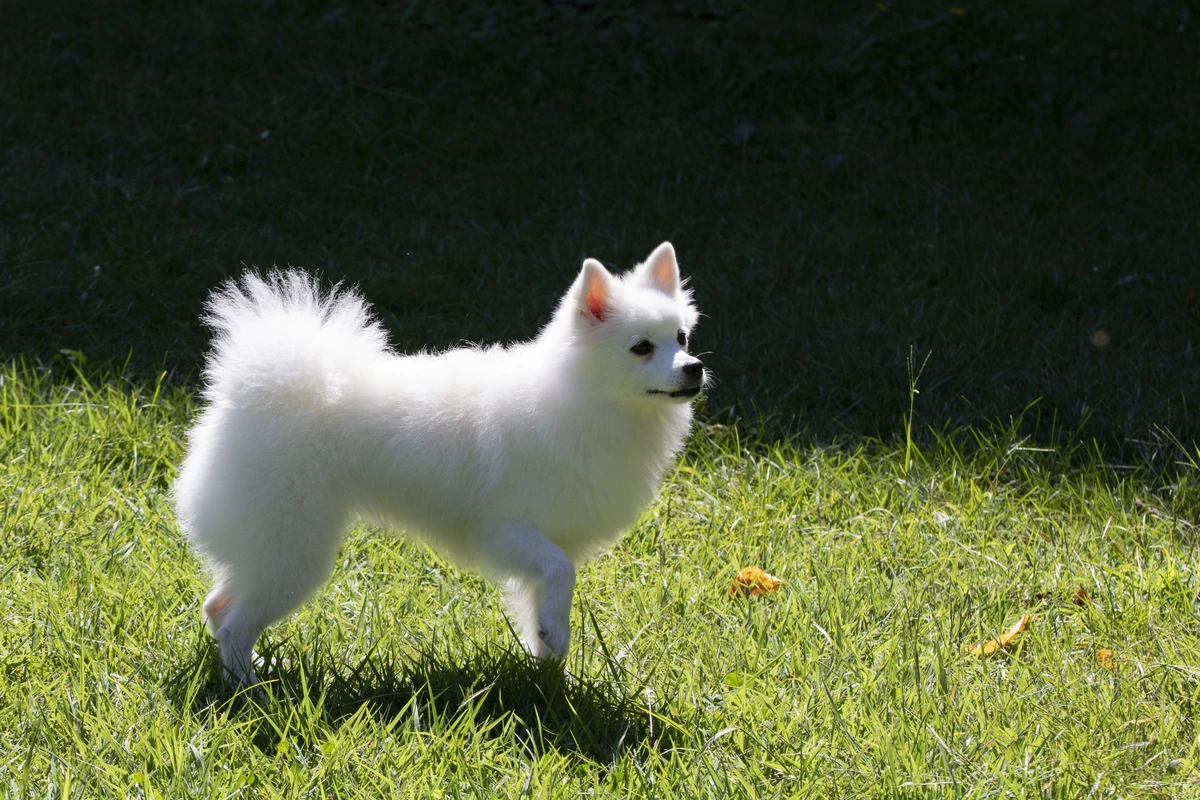
The German Spitz is a lively, alert, and highly expressive companion known for its fox-like face, dense double coat, and bright personality. Originally bred as a watchdog, this breed is naturally attentive to its surroundings and quick to react to any unusual activity, which makes it an excellent alert dog despite its relatively small size. German Spitz dogs are intelligent and curious, often forming strong bonds with their owners and showing a surprising level of independence. They tend to be confident and sometimes a bit opinionated, but overall they are cheerful, devoted, and thrive on interaction. Their charming appearance combined with a spirited temperament makes them both eye-catching and engaging to live with.
Care.
The thick double coat requires regular maintenance to stay healthy and free of mats. Brushing several times a week is usually sufficient, with more frequent grooming during seasonal shedding periods. Despite their fluffy appearance, the coat naturally repels dirt, so bathing is only needed occasionally. Regular dental care, nail trimming, and ear checks should be part of the routine. German Spitz dogs benefit from consistent training starting at an early age; they are intelligent and respond well to positive reinforcement, although they may sometimes test boundaries. Daily walks and moderate play sessions are enough to keep them physically and mentally satisfied. Because of their alert nature, early socialization is important to prevent excessive barking or overprotectiveness.
Conditions.
The German Spitz adapts well to different living environments, including apartments, as long as it receives enough daily activity and mental stimulation. It is well-suited for both urban and suburban life but prefers being close to its owner rather than left alone for long periods. This breed does best in households where it can be involved in daily routines, as it thrives on companionship and attention. While generally good with family members, including children, interactions should still be supervised to ensure respectful handling. Due to its watchdog instincts, it may be reserved with strangers and vocal when alerting, so a structured environment and clear boundaries help maintain balanced behavior.