
Summary
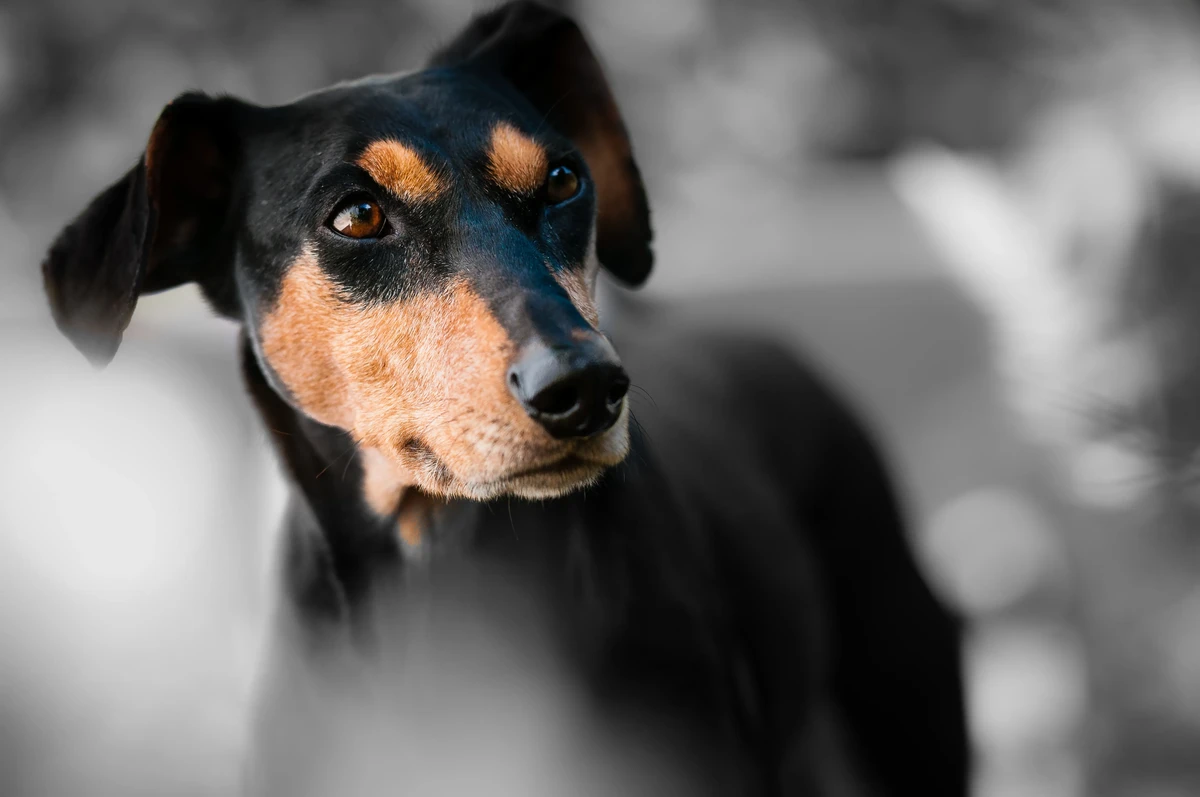
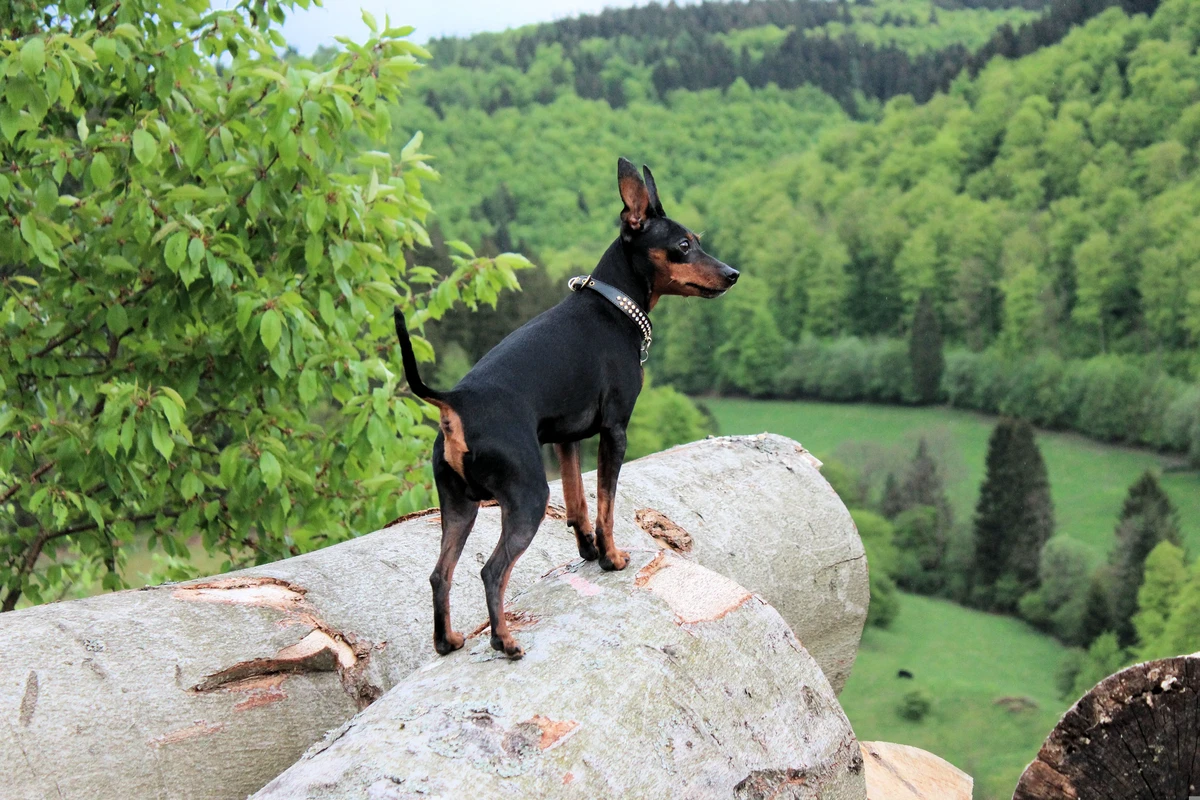
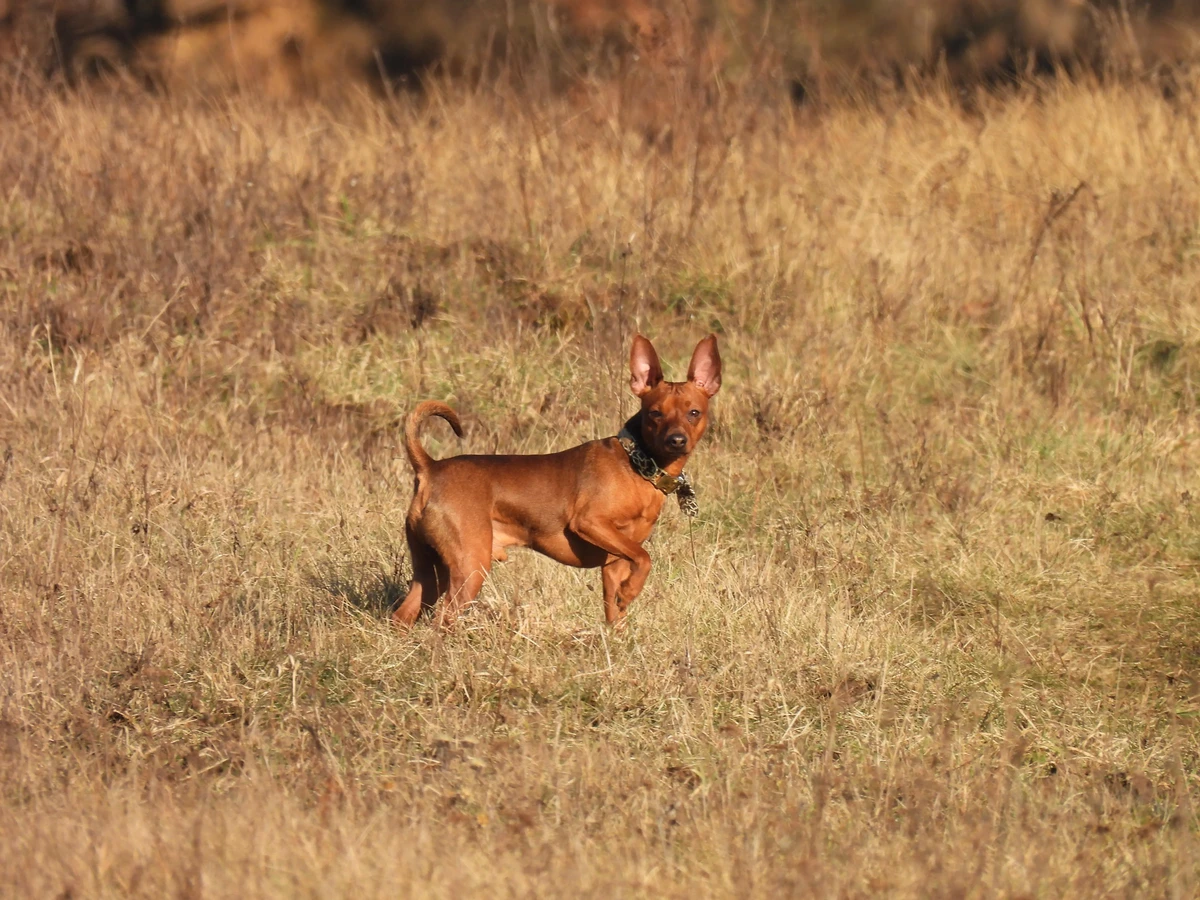
The Miniature Pinscher — the «Zwergpinscher», or Min Pin — is a compact, square-built dog with a short, glossy coat and the confident carriage of a much larger one. Despite the constant comparison, it is not a scaled-down Dobermann but an old German breed in its own right: lively, spirited, self-assured and evenly tempered, an excellent family and companion dog. It is alert and quick to announce visitors, needs plenty of activity for its size and responds far better to patient, cheerful training than to pressure.
History & origin
The Miniature Pinscher is an old German breed, developed long before the Dobermann and unrelated to it despite the resemblance — it is a reduced image of the German Pinscher, bred to hunt rats in stables and farmyards and to be a lively house companion. By the turn of the twentieth century it was already kept in large numbers, and the German stud book recorded well over a hundred breeding animals by 1925. The breed was recognised early by the FCI and spread across Europe and later America, where it became a popular show and companion dog. Its compact size, quick movement and fearless temperament have kept it a favourite small dog ever since.
Care
The short, dense coat is the easiest part of owning a Miniature Pinscher: a rub-down with a soft cloth or rubber brush once a week keeps it shining, and baths are needed only occasionally. The breed feels the cold, so a coat in winter is kind rather than fussy. Exercise matters more than size suggests — several walks a day, off-lead running where safe and play that works the brain keep a Min Pin calm indoors; without it the furniture, the curtains and the household routine suffer. Train early, briefly and cheerfully: this is an intelligent, self-assured dog with a mind of its own, and short, rewarding sessions work far better than repetition or scolding. Socialise it early with people and other dogs.
Conditions
The Miniature Pinscher fits happily into flat life as long as its daily exercise is real, and it is small enough to travel almost anywhere. It bonds closely with its family and is usually good with respectful children, though its quick, busy nature can overwhelm toddlers. It is an alert and vocal watchdog, which suits a house better than a thin-walled flat with neighbours. Because it is slim, fast and fearless, secure doors, windows and balconies matter, and its prey drive means hamsters, birds and other small pets need protection. It tolerates heat better than cold and should never be left outdoors in winter. Given company, activity and kind, consistent rules, it is a bold, cheerful and endlessly entertaining companion.