Origins
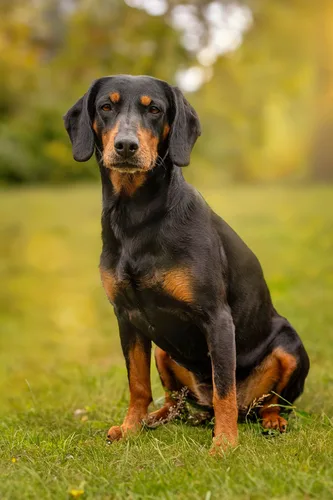
The Drever is a Swedish scent hound bred from the Westphalian Dachsbracke and other German hunting dogs brought north in the nineteenth century. Swedish hunters wanted a short-legged, steady hound that could trail roe deer and hare through snow and thick forest at a pace a man could follow. For years it was called the Swedish Dachsbracke, and it was renamed the Drever in 1947. Sweden recognised the breed nationally, and it is still one of the country's most popular hunting dogs.
Lifestyle
Walks: An hour to an hour and a half a day, with chances to sniff. Keep it on a lead, as it will follow a scent far.
Being alone: It likes company and can bark or howl when left alone. A routine and exercise help.
At home: Friendly and easygoing indoors once it has exercised, though it will bark to tell you about visitors. It likes to lie near the family and settles well, but give it a place of its own so it can rest after a day of sniffing.
Children: Playful and good-natured with children. Teach kids to be gentle with its long back.
Other animals: Usually fine with dogs it knows. A strong hunting instinct means small animals need care.
Play and activities: Scent games, tracking and long walks. Training with rewards and patience works well.
Daily routine: Active walks morning and evening with rest between. A steady routine of walks, meals and rest keeps it relaxed, and it is happiest when its day has some time for sniffing.
Care essentials
Practical advice, not a medical opinion. For any health question, ask your vet.
Coat: Brush the short, dense coat once a week. Bathe as needed.
Ears, paws and teeth: Check the ears and trim the claws regularly. After walks, check the paws and belly: on a low dog, dirt and debris collect there.
Worth knowing: Do not let it put on weight, to protect the back.
More about everyday health in the dog health & care guide.
Fun facts
The breed's name comes from the Swedish word drev, meaning a hunt in which hounds pursue the game and drive it towards the hunters.
The Drever was developed in Sweden from the German Westphalian Dachsbracke. It has proved especially good at hunting roe deer, because it can follow a trail for a long time without rushing the game.
The name "Drever" was chosen in 1947 as the result of a competition announced in a Swedish newspaper. Soon afterwards the breed was officially recognised as a breed in its own right.
FAQ
This breed is a great fit if you
- Enjoy outdoor walks and tracking games
- Want a friendly, medium-sized family dog
- Have a secure fence
- Can accept a dog that follows scent
It may not be a fit if you
- Want a dog that comes back every time
- Live close to noise-sensitive neighbours
- Are away from home most of the day
- Have small pets
Is it suitable for allergy sufferers?
Noticeable shedding. No dog is completely hypoallergenic: allergens come from saliva, skin and dander, not only from hair. Reactions are individual, so spend time with the dog before you decide and talk to an allergist if you are unsure.
Which breeds are similar to Drever?
Chosen from all groups: breeds of the same size, ordered by how closely their coat length, coat type and activity level match. The notes show how each breed differs from this one.
- Pembroke Welsh Corgivery similar overall
- American Staffordshire Terrierheavier, quieter
- Bull Terrierheavier
- Portuguese Podengoheavier
- Sloughiheavier, quieter
Compare Drever with another breed
Which other breeds might suit me?
Visit the Breeds page: with the filters and the quiz there you can get to know the breeds better.