
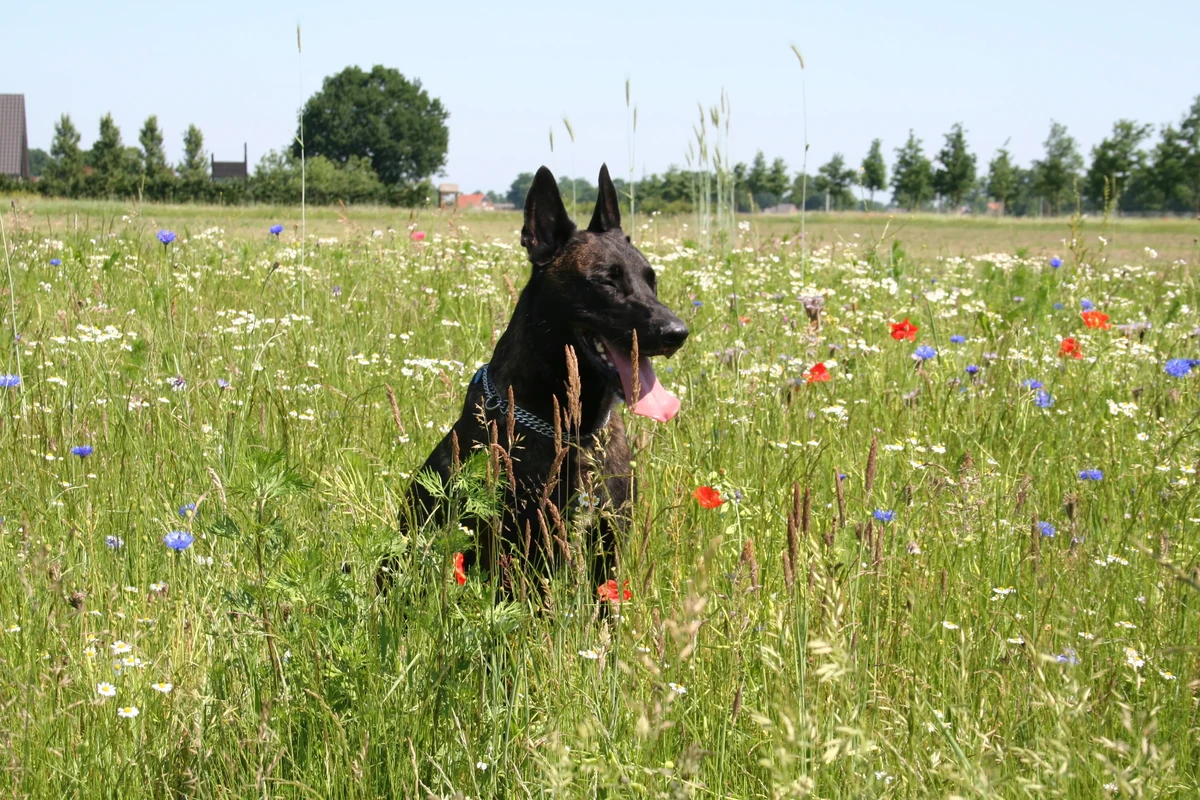
Summary.
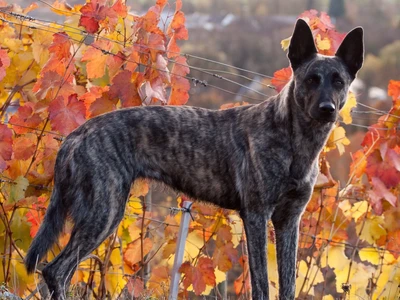
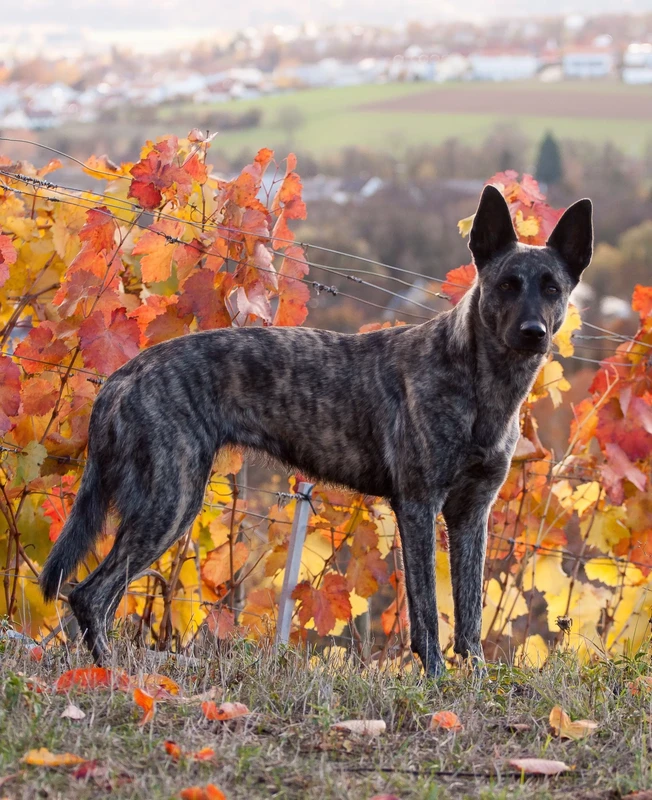
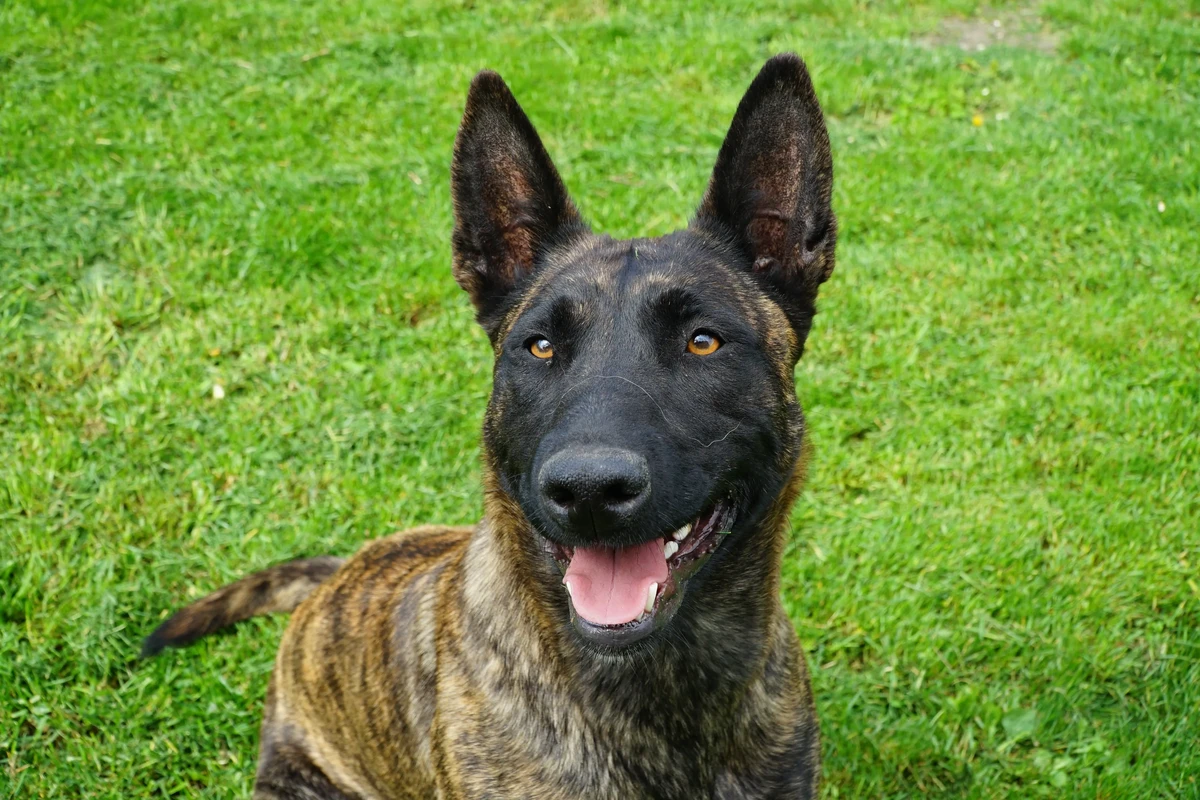
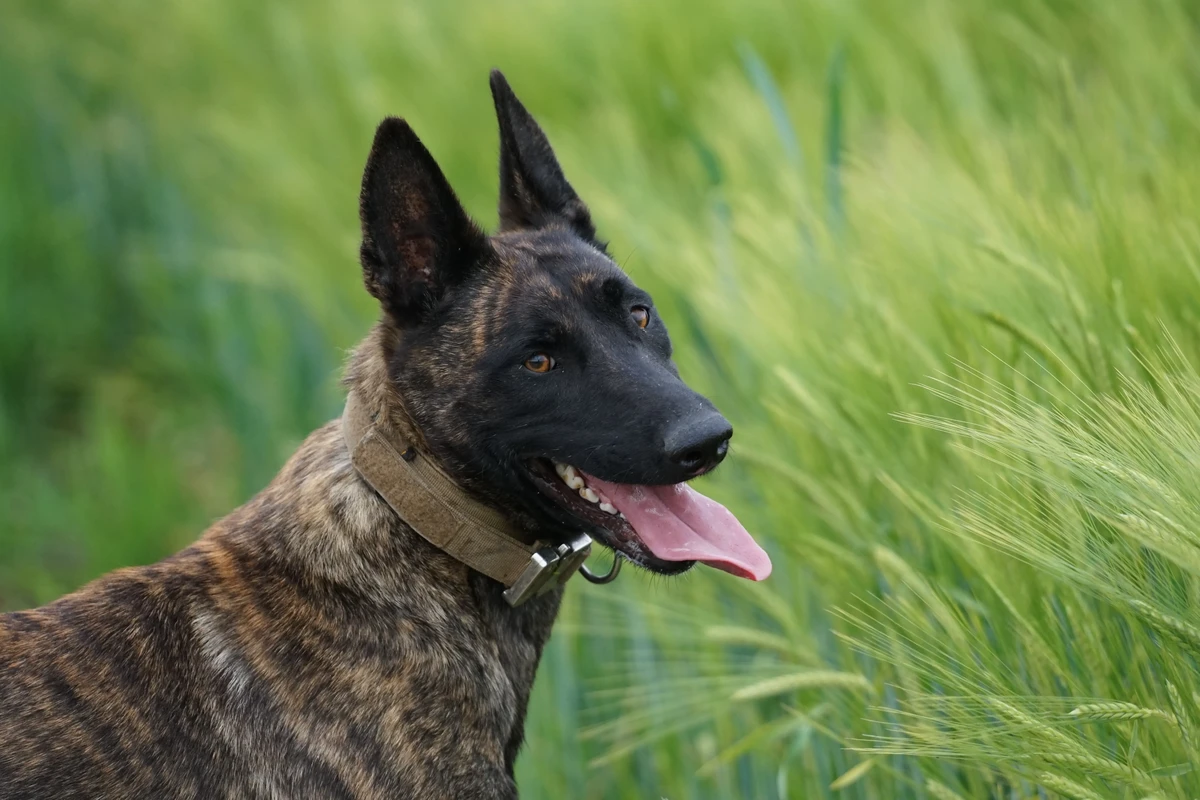
The Dutch Shepherd is a versatile herding breed from the Netherlands, originally developed as an all-purpose farm dog capable of herding livestock, guarding property, and assisting with various rural tasks. It is known for its intelligence, athleticism, and adaptability, making it highly valued in modern roles such as police work, search and rescue, and dog sports. The breed is alert, loyal, and responsive, forming strong bonds with its owner while maintaining a natural independence. Dutch Shepherds are energetic and driven, combining working ability with a balanced and stable temperament.
Care.
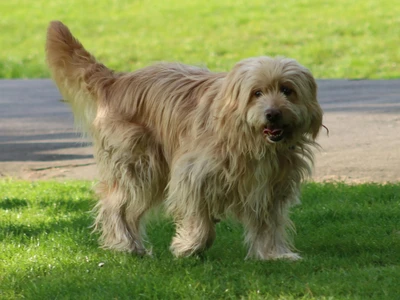
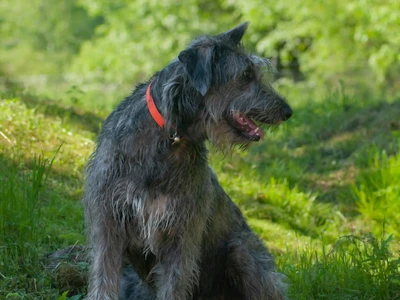
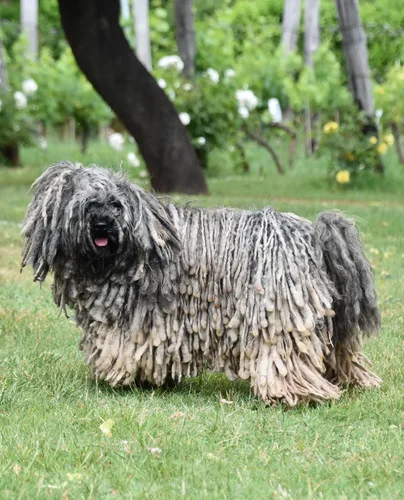
Dutch Shepherds have a double coat that comes in three varieties: short, long, and rough. Grooming needs vary slightly depending on coat type but generally include regular brushing, especially during seasonal shedding periods. This breed requires a high level of daily physical activity, including structured exercise such as running, training sessions, or dog sports. Mental stimulation is equally important, as their intelligence and working background demand engagement. Without sufficient activity, they may develop destructive behaviors or restlessness.
Conditions.
This breed is best suited for active owners who can provide consistent training, structure, and physical outlets. Dutch Shepherds adapt poorly to sedentary lifestyles or confined living conditions like small apartments without adequate exercise. A house with space or access to outdoor activity is strongly preferred. Early socialization supports balanced behavior, as they can be protective and highly alert. They typically do well in families and can live with children and other pets when properly trained, but they thrive most in environments where they are given a clear role and regular engagement.