Origins
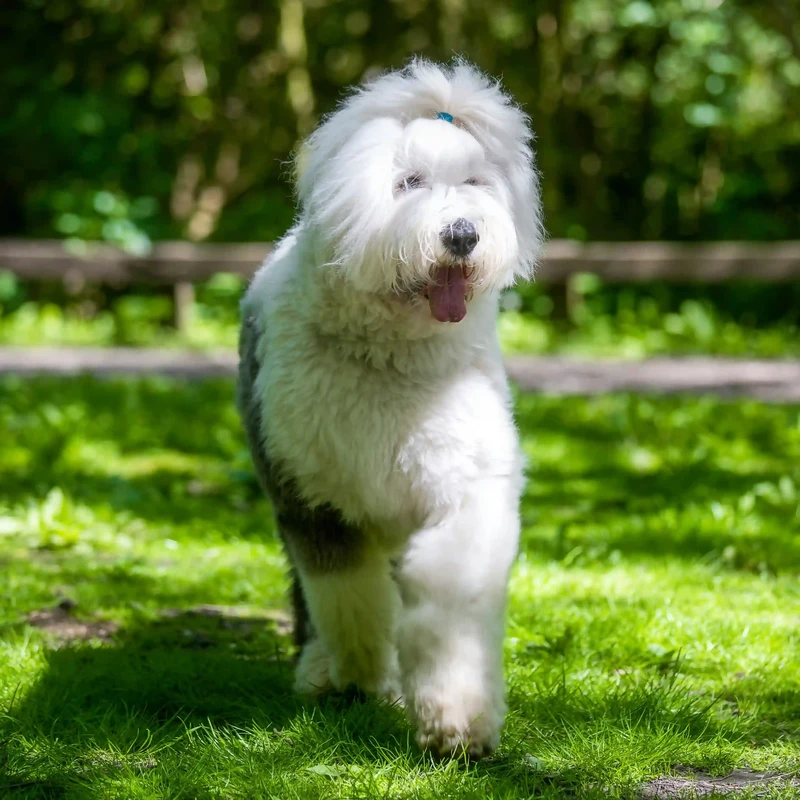
The Old English Sheepdog comes from the west of England, where it drove cattle and sheep to market over long distances rather than herding them in the fields. Its heavy coat protected it from weather and from the bites of the animals it moved, and its tail was traditionally docked to mark a working dog. The breed was standardised in Britain in 1888 and became a favourite show dog. Its gentle, clownish nature later made it a much-loved family pet.
Lifestyle
Walks: About an hour a day in total, with a free run when possible. It does not need sport, but it likes company on a walk and loves a romp in a field or a park. In summer, go out early or late, as the big coat makes heat hard work.
Being alone: It does not like being alone for long. Without people it may bark or chew, and its size means the damage is not small. It does best in a household where someone is usually around.
At home: Happy in the middle of the family, flopping down where you walk. It needs space for its size and coat, and it tends to leave water around the bowl and mud from its feet and beard.
Children: Gentle, patient and playful with children. It may bump into or lean on small kids, and may gently herd them, nudging them along. A big dog needs room to play.
Other animals: Usually friendly with dogs and other pets. It can try to herd family members and other animals, but is rarely aggressive. Early introductions to cats and visitors make life easier.
Play and activities: Enjoys walks, play, simple obedience and fetch. It does not need intense sport, but it does need regular activity and short training sessions. It is clever, with a sense of humour, and can get bored of repetition.
Daily routine: A relaxed routine of walks, play and long stretches lying close to people. Heat is its enemy, so plan the day around cool hours and give it a cool place to rest.
Care essentials
Practical advice, not a medical opinion. For any health question, ask your vet.
Coat: Brush the whole coat thoroughly, down to the skin, every two or three days, or keep it clipped shorter. The coat must be fully brushed out before a bath.
Ears, paws and teeth: Trim the fringe over the eyes carefully or clip it back so the dog can see well. The beard and paws get wet and dirty, so wipe them after a walk.
Medication: Some dogs of this breed carry the MDR1 gene mutation, which makes certain medicines act more strongly than usual. Tell your vet about the breed and consider a genetic test.
More about everyday health in the dog health & care guide.
Fun facts
From 1961 the Old English Sheepdog, known as the Bobtail, became the "face" of British Dulux paint advertising. Its fluffy look was so loved by the public that the dog became a recognisable image of the brand.
The Old English Sheepdog moves with a characteristic unhurried, rolling gait that looks like a bear's.
Almost all the dogs that appeared in Dulux advertisements were show champions. The one exception was a dog without such a title.
FAQ
This breed is a great fit if you
- Want a cheerful, friendly family dog
- Enjoy grooming and do not mind a messy beard
- Have a house with space, or a big flat and regular walks
- Are at home for much of the day
It may not be a fit if you
- Dislike mud, drool and wet beards on the floor
- Live in a very warm climate
- Are away from home most of the day
- Do not have time for regular grooming
Is it suitable for allergy sufferers?
Noticeable shedding. No dog is completely hypoallergenic: allergens come from saliva, skin and dander, not only from hair. Reactions are individual, so spend time with the dog before you decide and talk to an allergist if you are unsure.
Which breeds are similar to Old English Sheepdog?
Chosen from all groups: breeds of the same size, ordered by how closely their coat length, coat type and activity level match. The notes show how each breed differs from this one.
- Tibetan Mastiffheavier
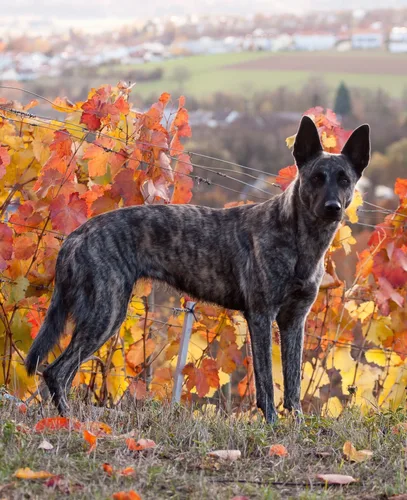
- Dutch Shepherd Dogmore energetic
- Large Munsterlandermore energetic
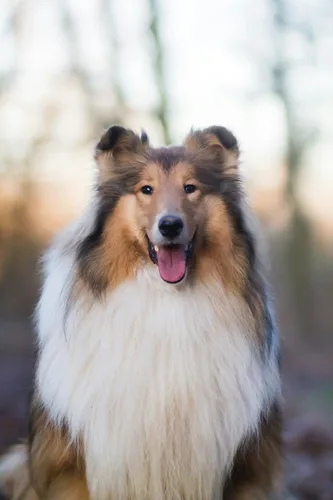
- Collie Roughlighter, barks more
- Weimaranermore energetic
Compare Old English Sheepdog with another breed
Which other breeds might suit me?
Visit the Breeds page: with the filters and the quiz there you can get to know the breeds better.