Summary.
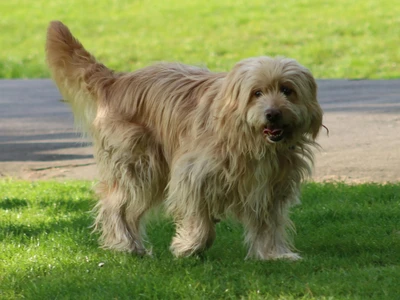
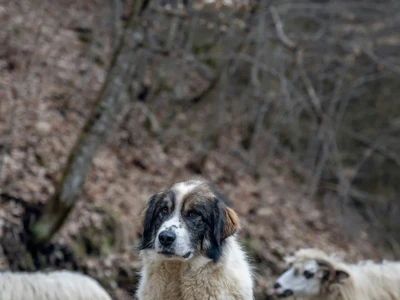
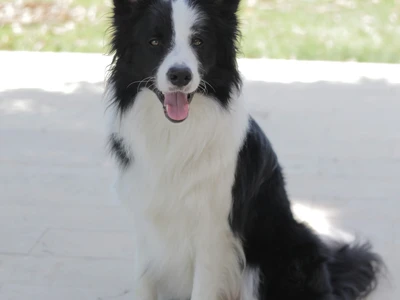
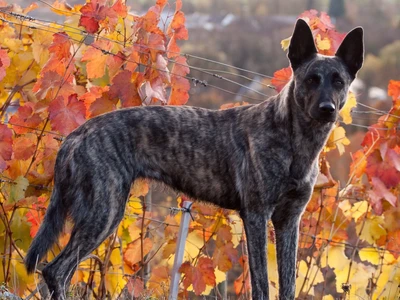
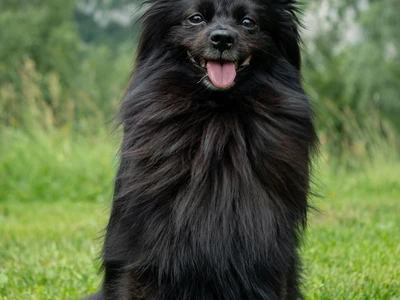
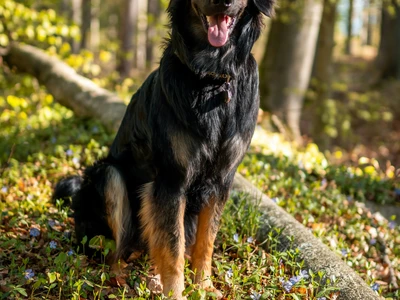
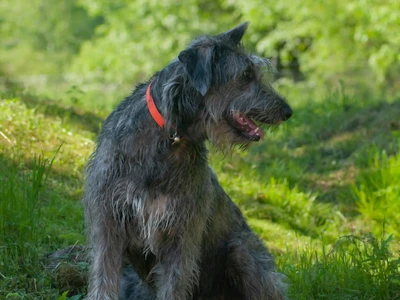
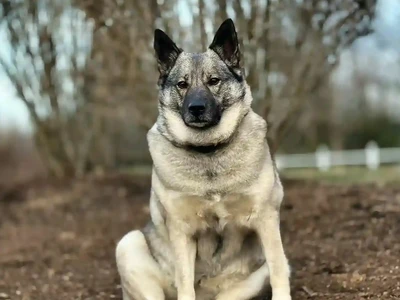
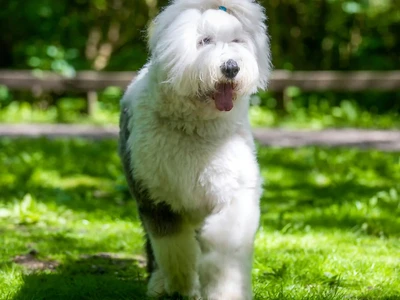
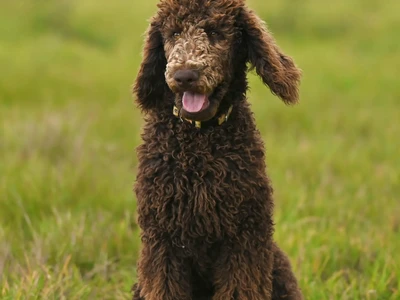
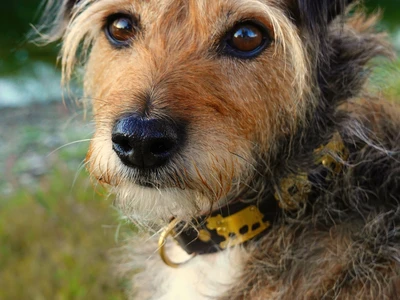
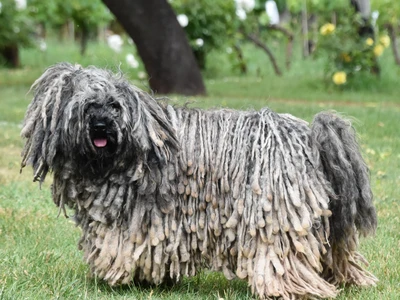
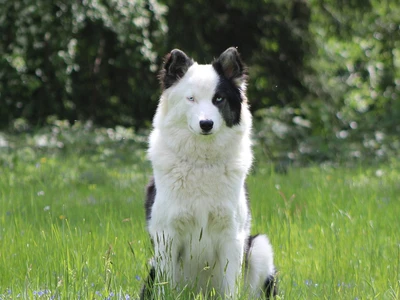
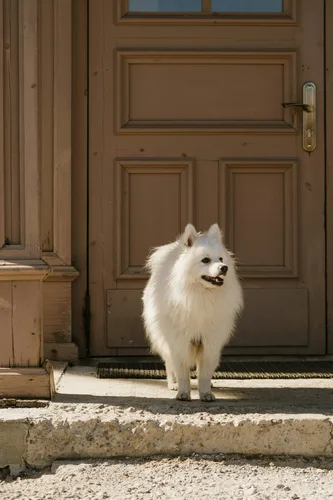
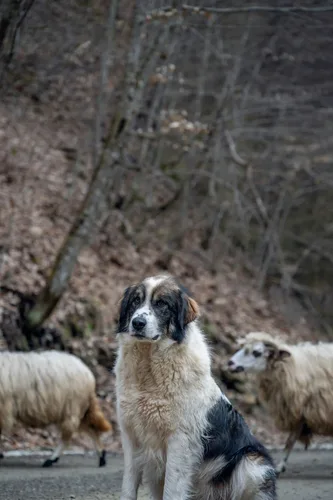
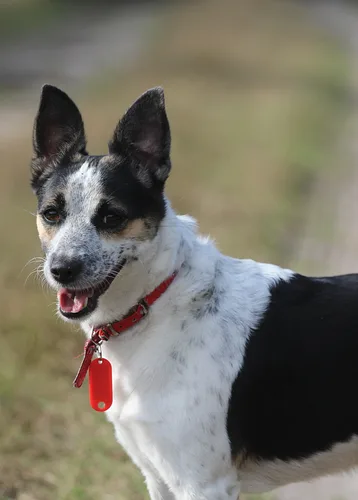
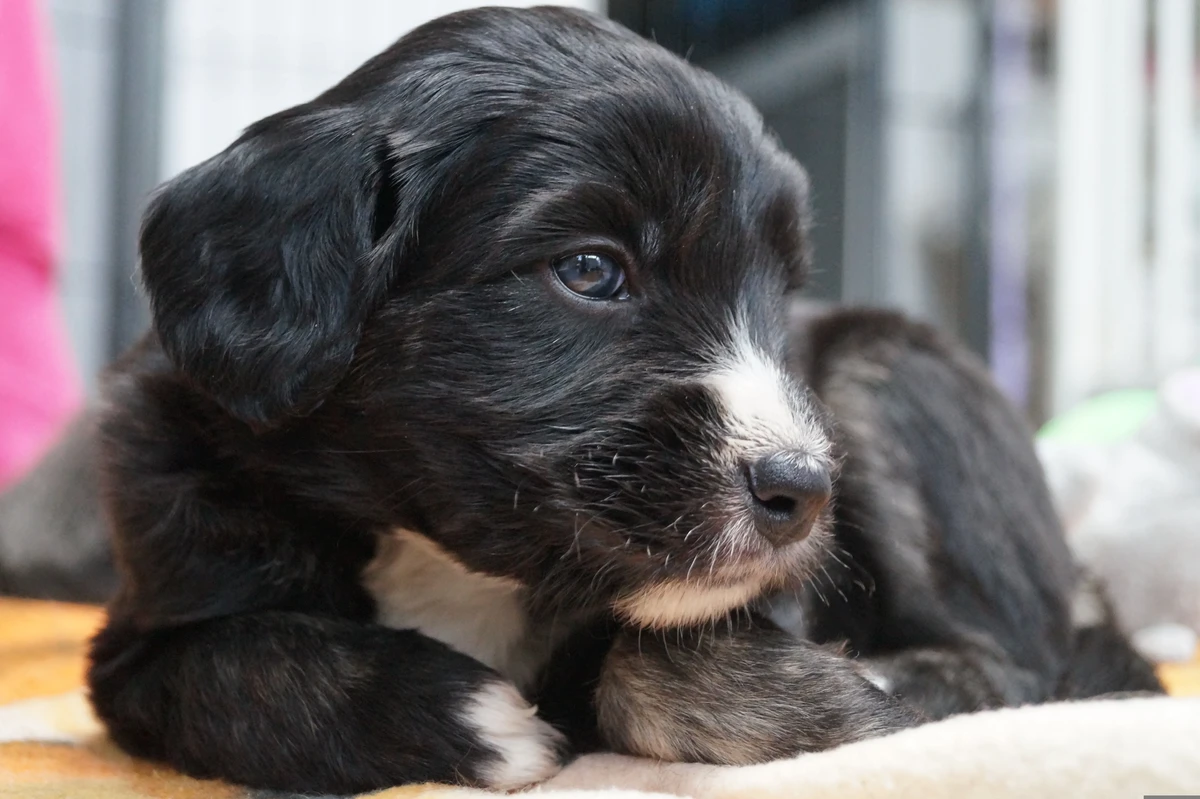
The Barbado da Terceira is a rare Portuguese herding breed originating from the island of Terceira in the Azores. Historically used for managing and guarding cattle, it is an intelligent, agile, and versatile working dog. The breed is known for its loyalty, sensitivity, and strong bond with its owner, combining a playful and joyful nature with a protective instinct. Barbado da Terceira dogs are both capable workers and devoted companions, but they retain an independent mindset shaped by their herding background.
Care.
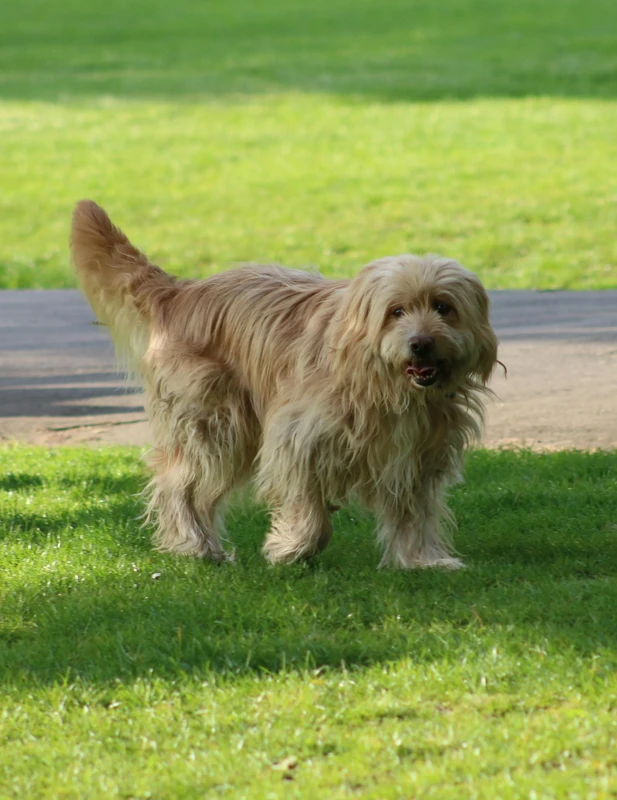
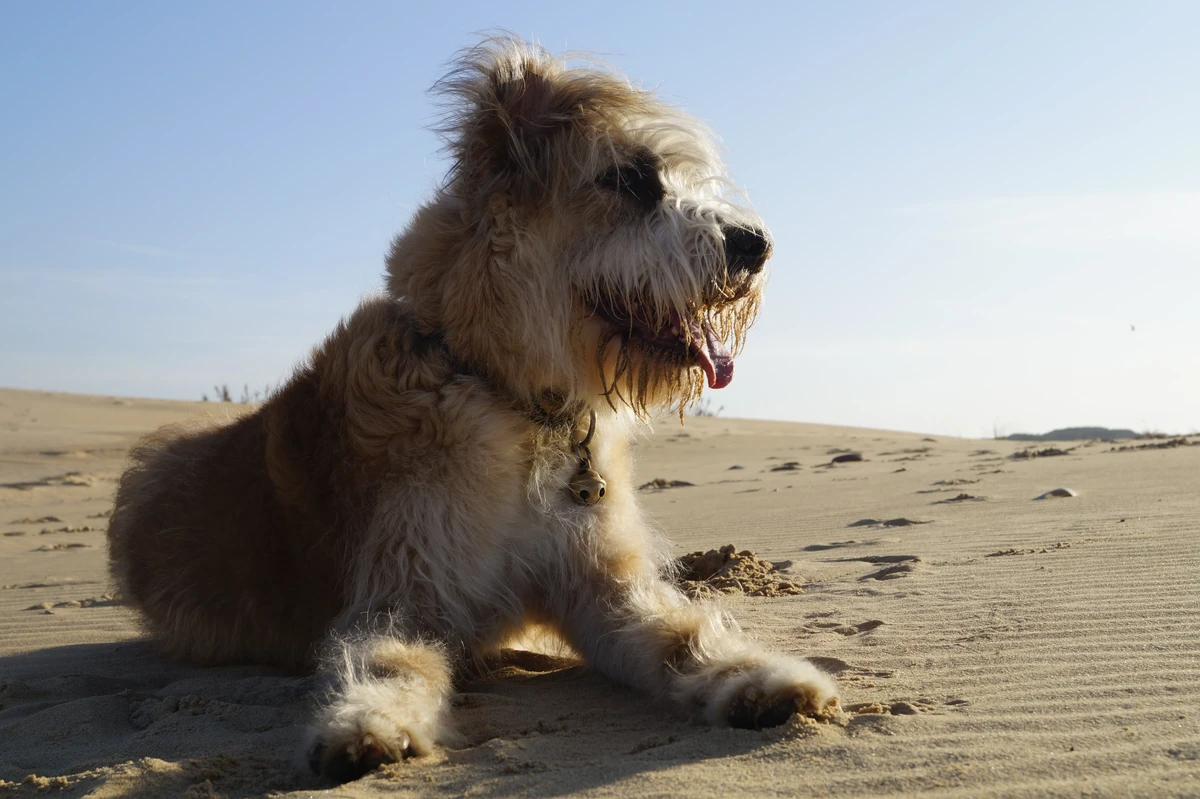
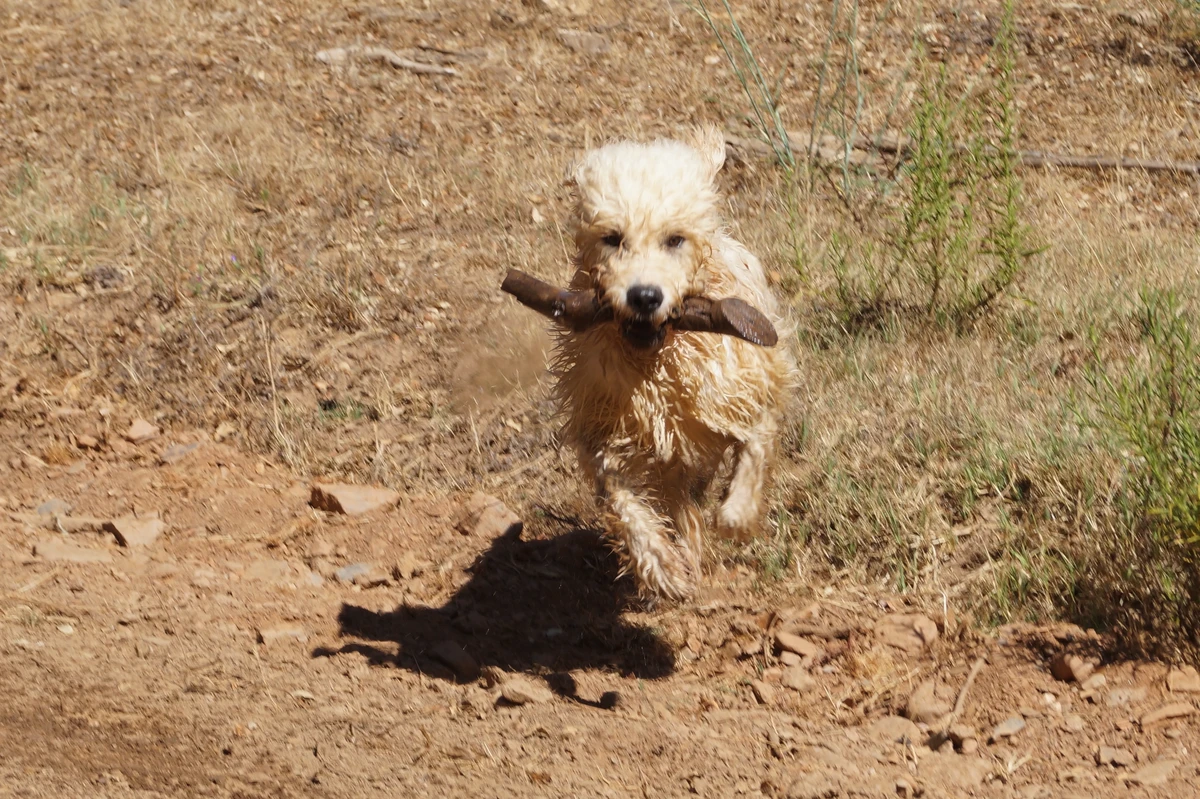
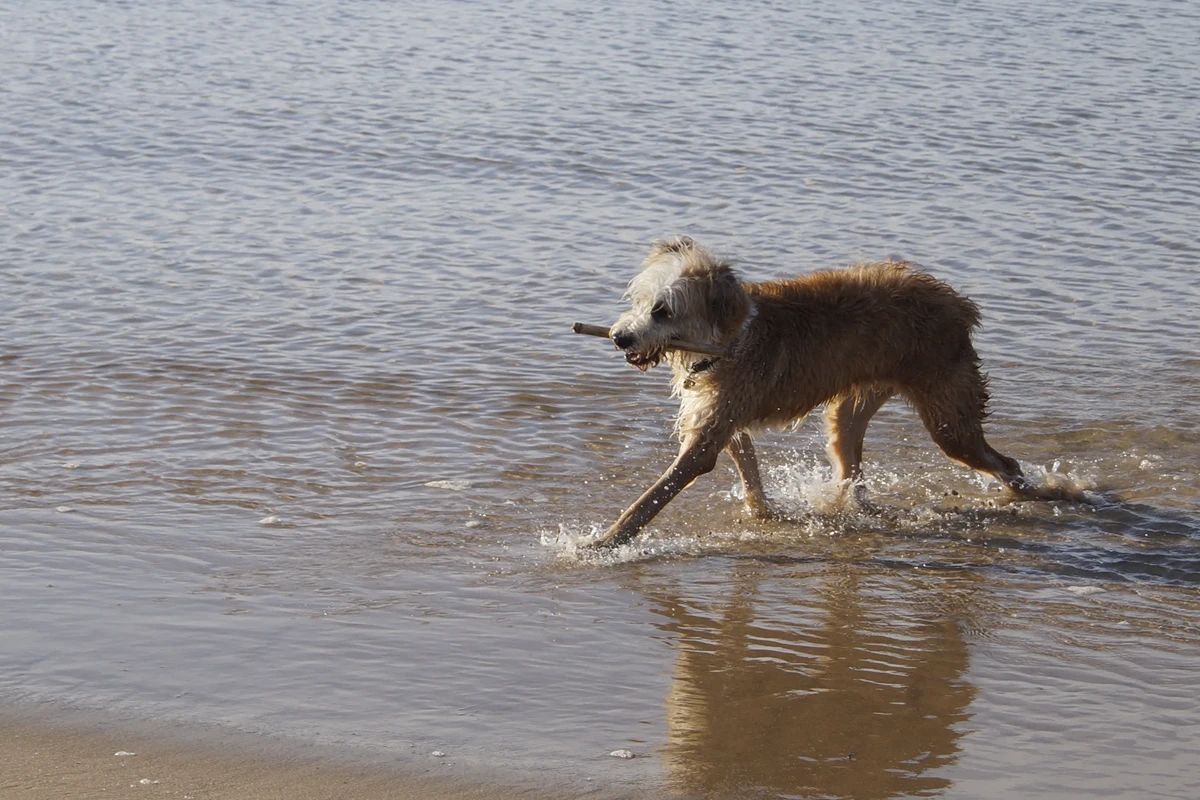
The breed has a long, thick, wavy double coat that requires regular brushing to prevent tangles and manage shedding. Grooming is moderate but consistent. Barbado da Terceira dogs are energetic and require daily physical activity such as walks, running, or structured work. Mental stimulation is essential due to their intelligence and problem-solving nature. Training should be consistent and positive, as they are both eager to learn and somewhat willful.
Conditions.
This breed is best suited for active owners who can provide structure, training, and regular engagement. Barbado da Terceira dogs adapt to family life but prefer environments where they are involved in daily activities rather than left alone for long periods. Early socialization is important due to their natural protectiveness and alertness toward strangers. They thrive in homes with space or access to outdoor activity and are well-suited for experienced owners who appreciate intelligent and sensitive working breeds.