Origins
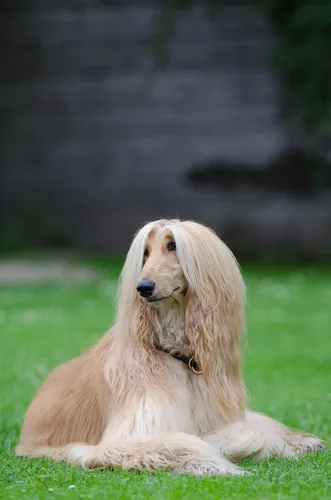
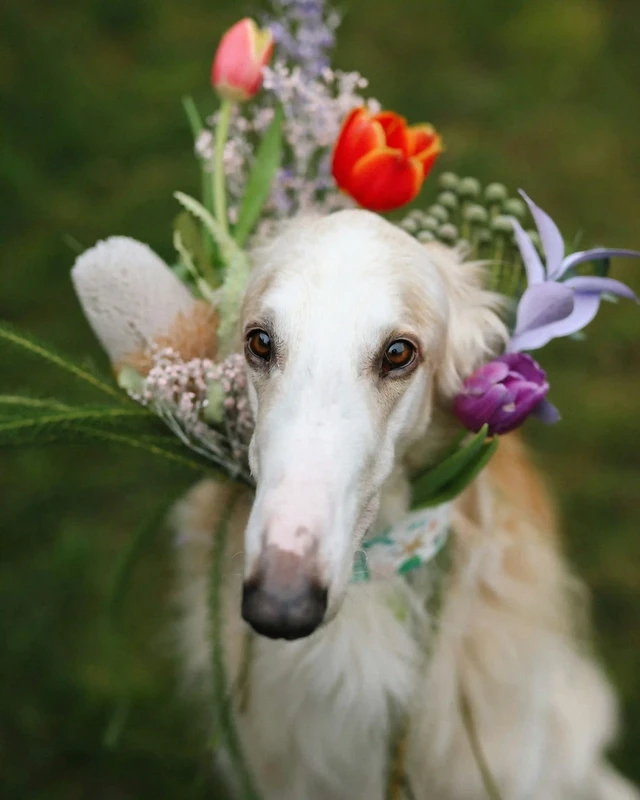
The Borzoi, or Russian Hunting Sighthound, was created by Russian nobles by crossing Arabian and Persian sighthounds with local thick-coated hunting dogs. It was used in wolf hunts, working in pairs or small packs alongside borzoi hunters on horseback. The breed was kept almost exclusively by the aristocracy, and the revolution of 1917 nearly ended it. Surviving dogs were exported in the 1920s, and the breed was recognised internationally in the twentieth century as an elegant show and companion dog.
Lifestyle
Walks: An hour and a half a day, including a sprint in a fully enclosed area. On walks keep it on a lead: it chases small animals at great speed.
Being alone: It dislikes being alone for long, but it is quiet and calm when it has had its exercise. Build up time alone slowly and give it a soft bed, because a Borzoi that is lonely may sulk or become destructive.
At home: Quiet and polite in the house, happy to stretch out on a soft bed. Keep valuables off low tables, as its tail sweeps.
Children: Gentle with calm children, though its size and shyness mean it is happiest with older ones. Teach children to be quiet and gentle around it, and let it choose when to join in play.
Other animals: Usually fine with dogs, especially other hounds. Small animals can trigger its chase.
Play and activities: Sprinting, lure coursing and relaxed walks. Training needs patience and short sessions.
Daily routine: A good run morning and evening and long rests. A good run in a secure place, a calm walk in the evening and a lot of resting on a soft bed make up a Borzoi's day.
Care essentials
Practical advice, not a medical opinion. For any health question, ask your vet.
Coat: Brush the silky coat two or three times a week, and more often when it sheds, especially the feathering. Lightly spray the feathering with water before brushing: that way the hairs break less.
Ears, paws and teeth: Check the claws and teeth. After walks, check the paws between the toes.
Anesthesia: Sighthounds have little body fat, so they are sensitive to some anaesthetic drugs. Before an operation or any procedure with sedation, remind the vet that you have a sighthound.
Stomach: Large deep-chested dogs can suffer from bloat (gastric torsion). Feed small portions and avoid active play right after meals; a swollen, hard belly, restlessness and unproductive retching are a reason to go to the vet urgently.
More about everyday health in the dog health & care guide.
Fun facts
The Russian name of the breed is linked to the word "borzy", meaning "swift, nimble". Russian nobles used Borzois to hunt wolves, usually in whole packs.
The Borzoi can reach a speed of roughly 56–64 km/h. On a hunt several dogs chased the wolf and held it until the hunter arrived.
Until 1936 the breed was called the Russian Wolfhound in English-speaking countries. Later the official name became Borzoi.
FAQ
This breed is a great fit if you
- Want a calm, quiet and elegant dog indoors
- Have a very high, secure fence
- Have room for a large dog
- Are patient trainers
It may not be a fit if you
- Want a dog that obeys quickly off lead
- Have small pets
- Live in a small flat
- Want a very sociable dog that loves strangers
Is it suitable for allergy sufferers?
Noticeable shedding. No dog is completely hypoallergenic: allergens come from saliva, skin and dander, not only from hair. Reactions are individual, so spend time with the dog before you decide and talk to an allergist if you are unsure.
Which breeds are similar to Borzoi (Russian Hunting Sighthound)?
Chosen from all groups: breeds of the same size, ordered by how closely their coat length, coat type and activity level match. The notes show how each breed differs from this one.
- English Settercalmer
- Gordon Settermore energetic, lighter
- Irish Red Settermore energetic
- Akitavery similar overall
- Alaskan Malamutevery similar overall
Compare Borzoi (Russian Hunting Sighthound) with another breed
Which other breeds might suit me?
Visit the Breeds page: with the filters and the quiz there you can get to know the breeds better.