Origins
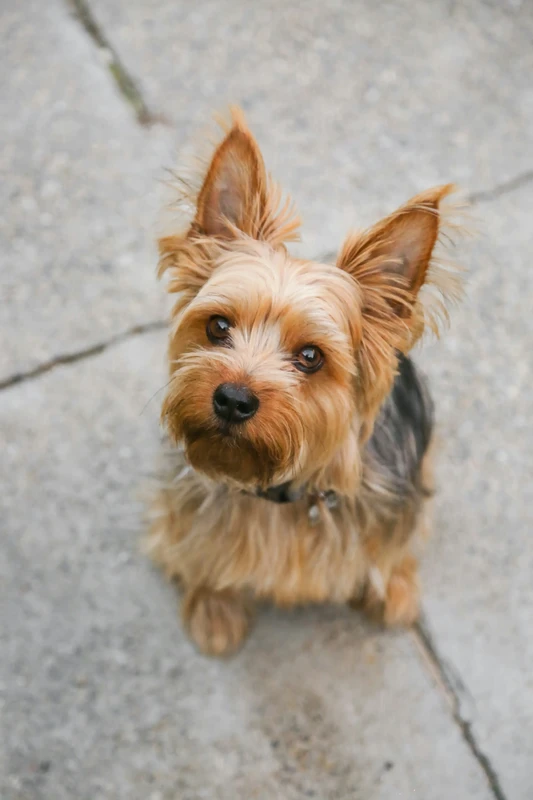
The Yorkshire Terrier was created in the north of England in the nineteenth century, when Scottish weavers moved to Yorkshire with their small terriers. Workers crossed those dogs with local terriers to produce a tiny ratter for the mills and mines, and the breed was shown as the Broken-Haired Scotch Terrier until 1870. It was recognised in Britain in 1886 and soon became a fashionable companion. Today it is one of the smallest breeds in the world and a popular lap dog.
Lifestyle
Walks: About 45 minutes a day, split into two or three short walks. A Yorkie is tiny but loves to explore. Use a harness instead of a collar, and keep it on a lead, as it is fearless around larger dogs.
Being alone: It bonds closely to its family and does not like being left alone for long. Separation can lead to barking, so teach it to be alone in small steps.
At home: A lap dog at heart, it loves a cosy place close to its people. It is alert and will bark at noises, so teach a quiet command early.
Children: Best with older, gentle children who can be taught to handle a tiny dog. Small kids can hurt it accidentally, so supervise and teach not to pick it up roughly.
Other animals: Often bold and friendly with other dogs, but it does not know its size. It may chase small animals, so keep it on a lead outdoors.
Play and activities: Short games, simple tricks, scent games and training are enough for a Yorkie. It is clever and enjoys learning, especially for treats.
Daily routine: Short walks, meals, grooming and long naps on a soft bed. Keep a regular routine, and make sure it cannot jump off high furniture.
Care essentials
Practical advice, not a medical opinion. For any health question, ask your vet.
Coat: Brush the long silky coat every day to prevent tangles, or give it a short "puppy" clip, which is easier to look after. Gather the hair on the top of the head with a band or trim it so it does not get in the eyes and the bowl. Bathe every two to three weeks.
Ears, paws and teeth: Clean the teeth often: small dogs have more problems with them.
Worth knowing: Put clothes on it in cold weather.
Knees: Small breeds often have a kneecap that slips out of place. If the dog suddenly limps or hops on a hind leg, show it to the vet.
Neck: Very small dogs have a sensitive trachea, so a harness suits walks better than a collar.
More about everyday health in the dog health & care guide.
Fun facts
Yorkshire Terrier puppies are born black and tan, and as they grow up the black gradually changes to steel blue. This is a characteristic colour change of the breed.
The ancestors of the Yorkie caught rats in the textile mills and mines of Yorkshire in the 19th century. Their small size let them get into narrow spaces.
The coat of the Yorkshire Terrier is closer in structure to human hair and hardly sheds.
FAQ
This breed is a great fit if you
- Want a small, affectionate indoor companion
- Live in a flat or small house
- Can brush the coat daily or book regular grooming
- Are at home for much of the day
It may not be a fit if you
- Have very young children who may handle a tiny dog roughly
- Are away from home most of the day
- Want a dog that does not bark
- Cannot brush or groom regularly
Is it suitable for allergy sufferers?
Minimal shedding. No dog is completely hypoallergenic: allergens come from saliva, skin and dander, not only from hair. Reactions are individual, so spend time with the dog before you decide and talk to an allergist if you are unsure.
Which breeds are similar to Yorkshire Terrier?
Chosen from all groups: breeds of the same size, ordered by how closely their coat length, coat type and activity level match. The notes show how each breed differs from this one.
- Chihuahuacalmer, lighter
- Shih Tzuheavier
- Bichon Frisemore energetic, heavier
- Bolognesecalmer, quieter
- Dachshundcalmer, heavier
Compare Yorkshire Terrier with another breed
Which other breeds might suit me?
Visit the Breeds page: with the filters and the quiz there you can get to know the breeds better.