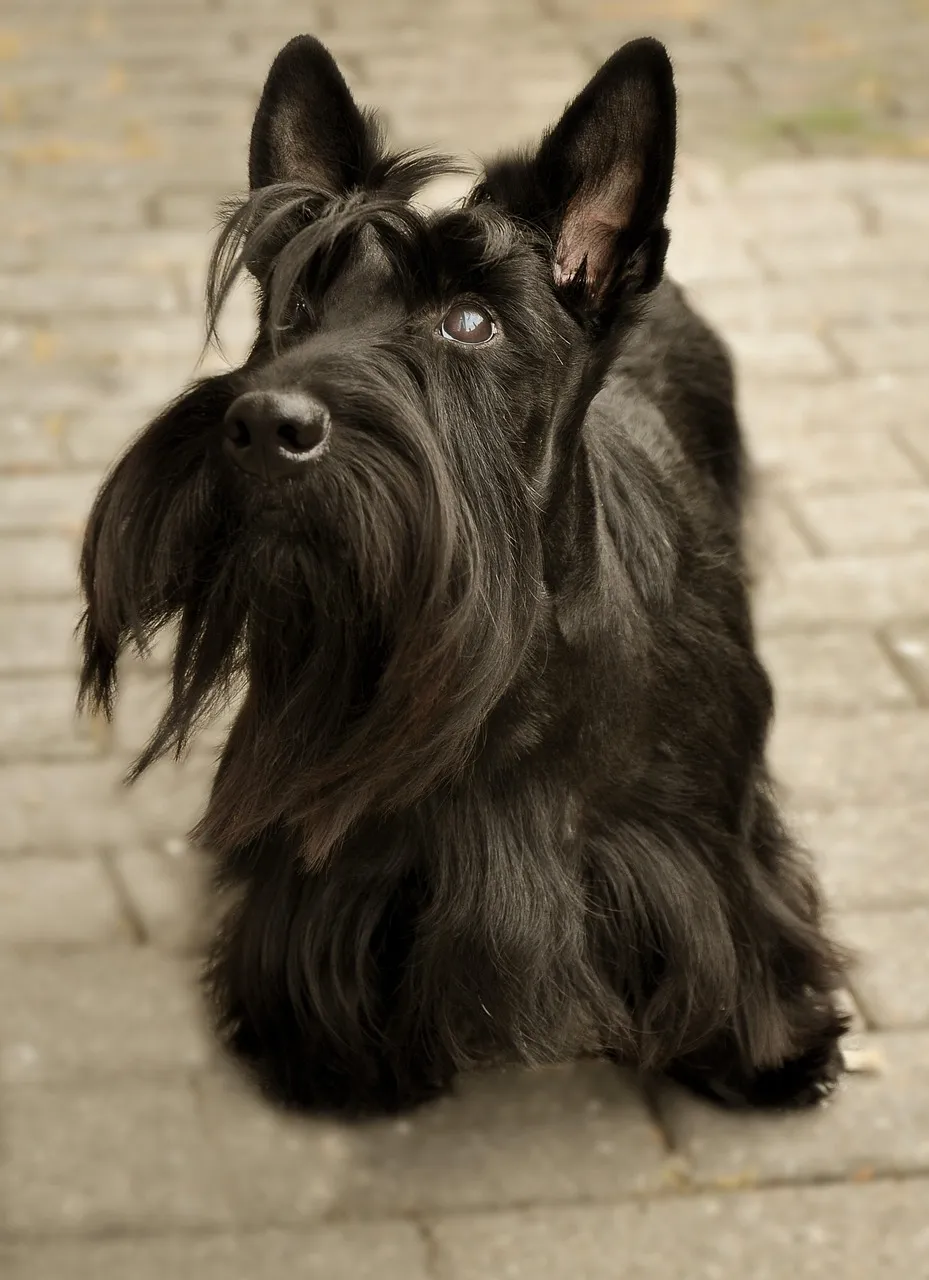
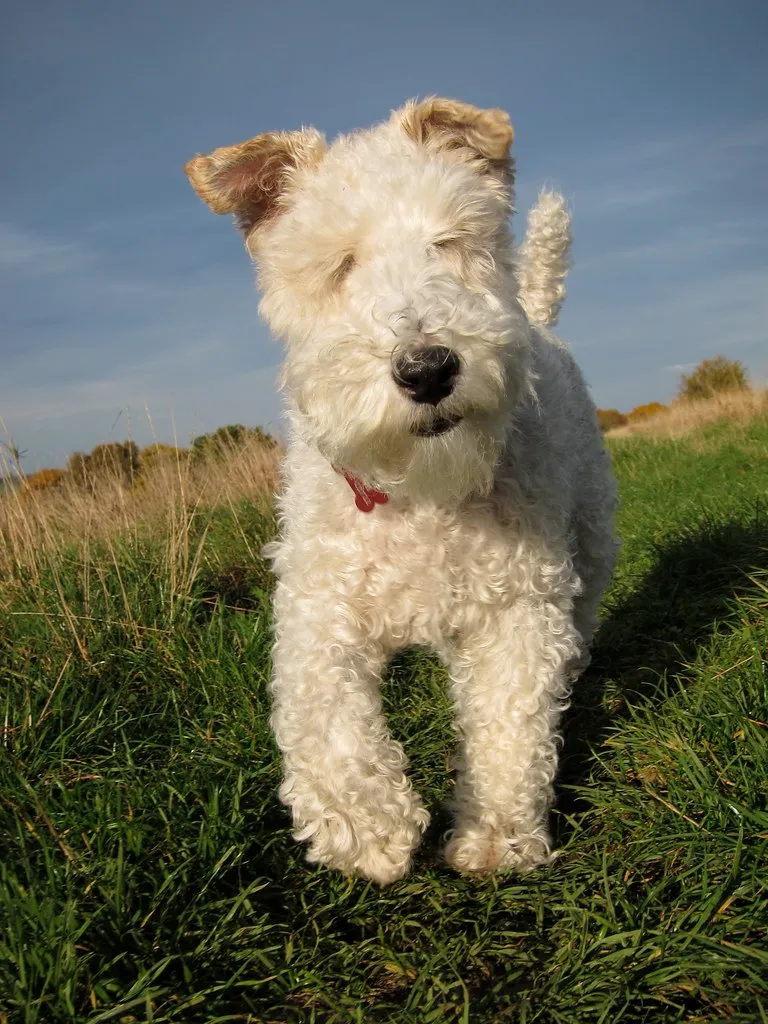
Summary: The Border Terrier is a small, hardy working terrier originally developed along the border region between England and Scotland for fox hunting and vermin control. Despite its modest size, it is a tough, energetic, and highly capable working dog with strong stamina and determination. Border Terriers are affectionate, intelligent, and generally good-natured, forming strong bonds with their families while maintaining a lively and curious personality. They are known for being adaptable companions who combine a friendly home presence with a strong instinct for outdoor activity and exploration.
Care: The Border Terrier has a dense double coat consisting of a soft undercoat and a wiry outer coat that helps protect it from harsh weather. Grooming is relatively low-maintenance but includes regular brushing and occasional hand-stripping to maintain coat texture. The breed has high energy levels and requires daily exercise such as walks, play, and mental stimulation through training or interactive activities. Without sufficient activity, they may develop unwanted behaviors due to boredom or excess energy.
Conditions: Border Terriers adapt well to various living environments, including apartments, as long as their exercise needs are met. They are social dogs that enjoy being part of family life and generally do well with children when properly socialized. However, they have a strong prey drive and may chase smaller animals, so supervision and secure environments are important. Early training and consistent routines help manage their independent streak. This breed thrives in active households where it can receive both companionship and regular physical engagement.
updated: April 21, 2026, 2:08 p.m.