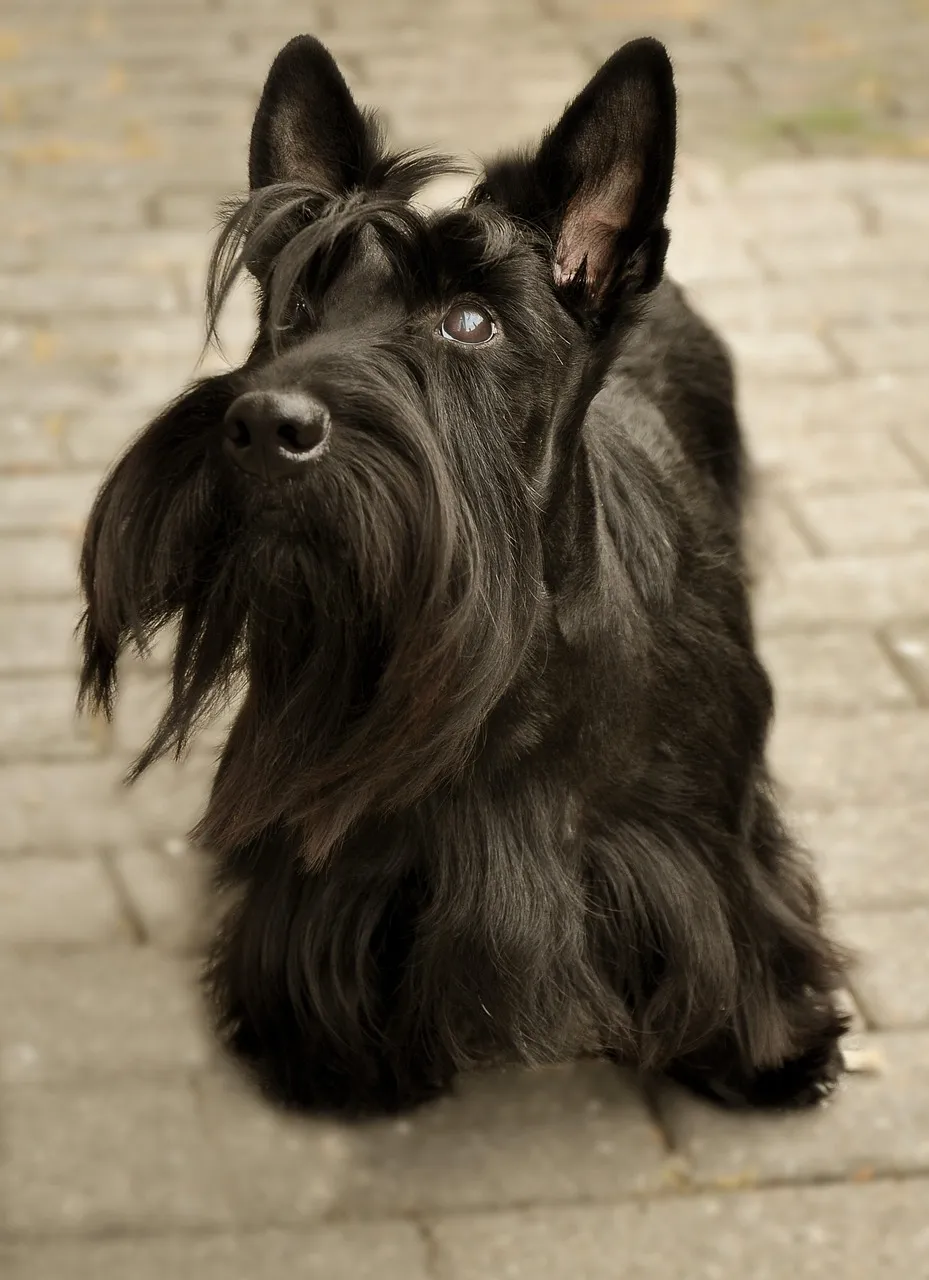
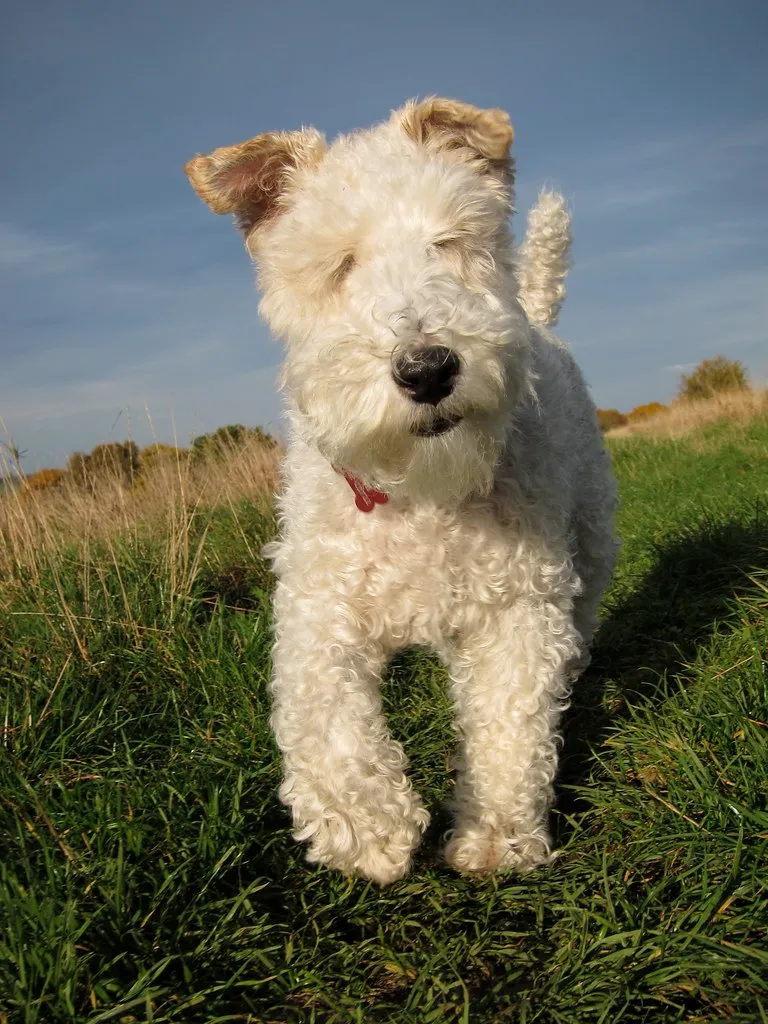
Summary: The Airedale Terrier is the largest of all terrier breeds, often called the “King of Terriers” for its size, strength, and versatility. Originally developed in England’s Aire Valley, it was bred as an all-purpose working dog capable of hunting, guarding, and retrieving both on land and in water. The breed is intelligent, confident, and independent, combining a strong work ethic with a lively and expressive personality. Airedales are loyal and affectionate with their families but tend to think for themselves, making them more complex to train than many other companion breeds.
Care: The Airedale Terrier has a dense, wiry double coat that requires regular brushing and occasional hand-stripping to maintain proper texture and prevent matting. Grooming is moderate but consistent. This breed has high energy levels and requires substantial daily exercise, including long walks, active play, and mentally engaging activities. Without enough stimulation, Airedales can become bored and develop destructive or stubborn behaviors. Training should be consistent and structured, using positive reinforcement to manage their independent nature.
Conditions: Airedale Terriers are best suited for active households with owners who can provide time, structure, and engagement. They do not adapt well to sedentary lifestyles or long periods of isolation. While generally good with families and children, their size and energy make them more suitable for homes with older kids. Early socialization is important, as they can be assertive with other animals and have a strong prey drive. This breed thrives in environments where it has purpose, activity, and consistent interaction with its owner.
updated: April 21, 2026, 3:30 p.m.