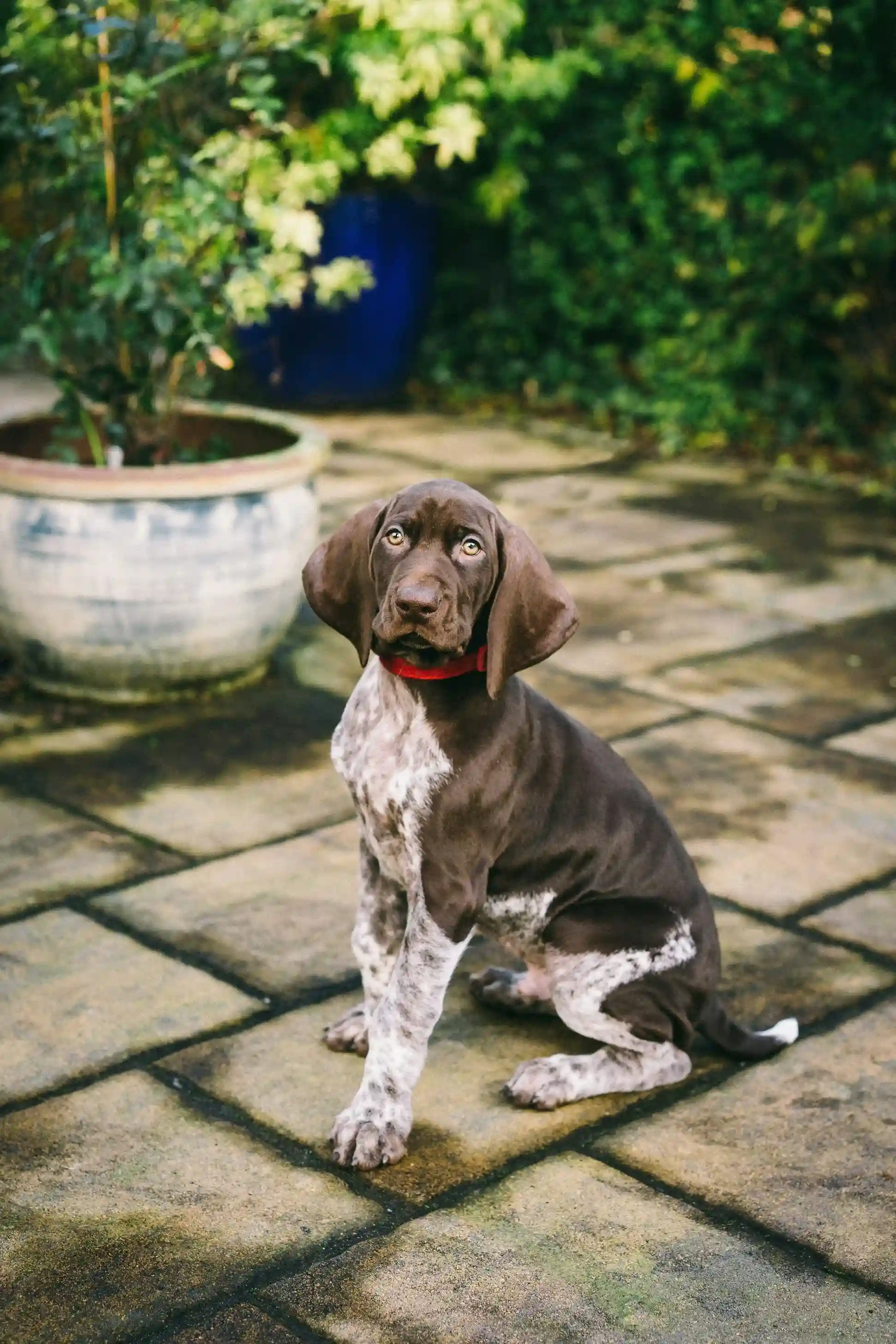
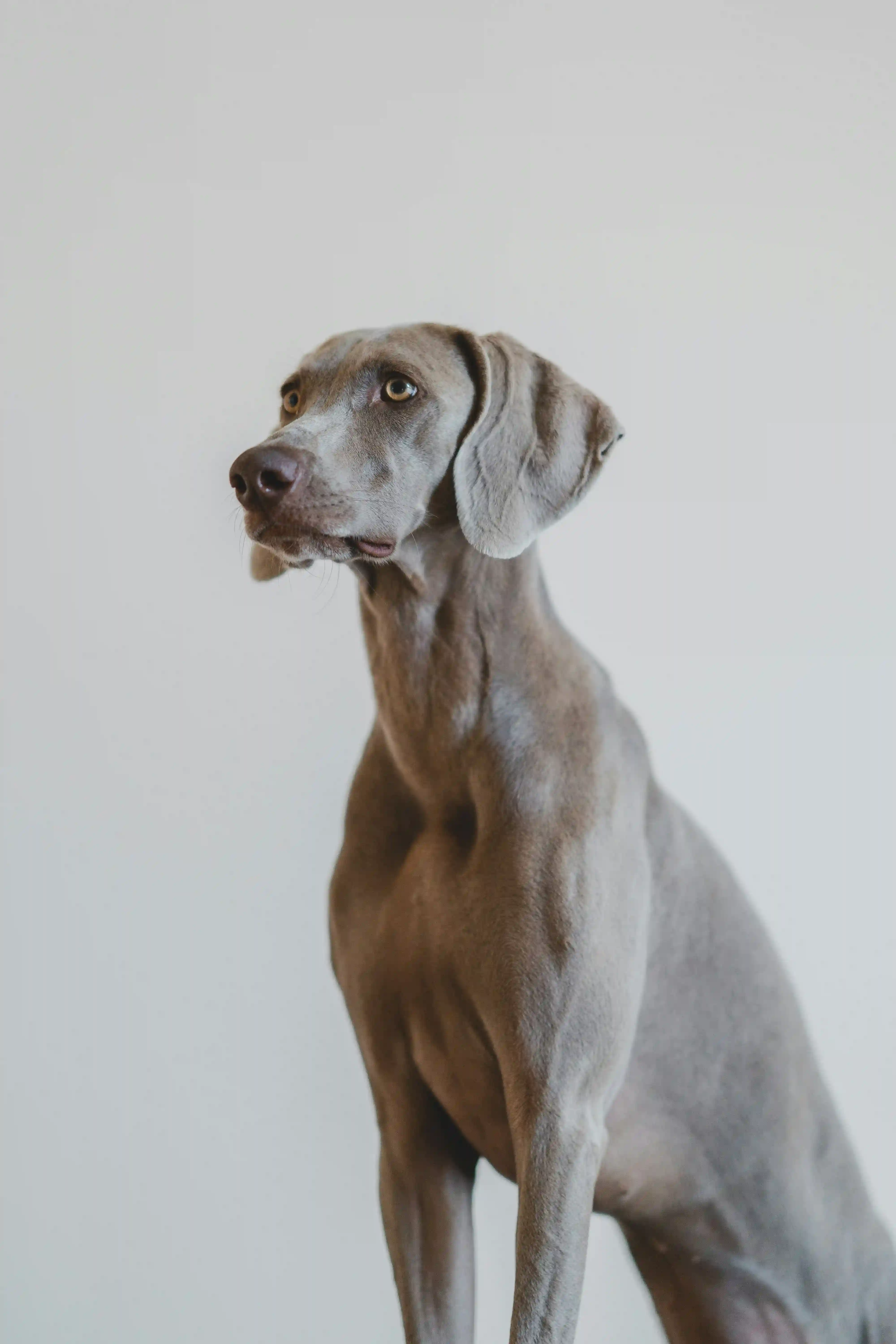
Summary: The Lagotto Romagnolo is an ancient Italian working breed originally used as a water retriever and later specialized in truffle hunting thanks to its exceptional sense of smell. It is a compact, sturdy dog with a distinctive curly coat and a lively, attentive expression. The breed is affectionate, loyal, and strongly attached to its family, combining a friendly temperament with a focused working instinct. Intelligent and responsive, it is both an energetic outdoor companion and a calm, devoted dog at home when its needs are met.
Care: The Lagotto requires regular physical activity along with mental stimulation, such as scent games, training, or active walks. It thrives when given tasks and can become restless without engagement. The curly coat needs consistent maintenance: regular trimming and occasional brushing to prevent matting, rather than traditional heavy shedding care. Training is generally easy due to high intelligence and willingness to work, but should remain structured and varied to keep the dog interested. Routine grooming and ear care are especially important due to the dense coat.
Conditions: This breed adapts well to different living environments, including apartments, provided it receives sufficient exercise. It is best suited for active owners who can provide daily activity and interaction. The Lagotto prefers to be involved in family life and does not tolerate long periods of isolation. Its natural curiosity and working instincts mean it benefits from environments where it can explore, learn, and stay mentally engaged.
updated: April 13, 2026, 4:30 p.m.