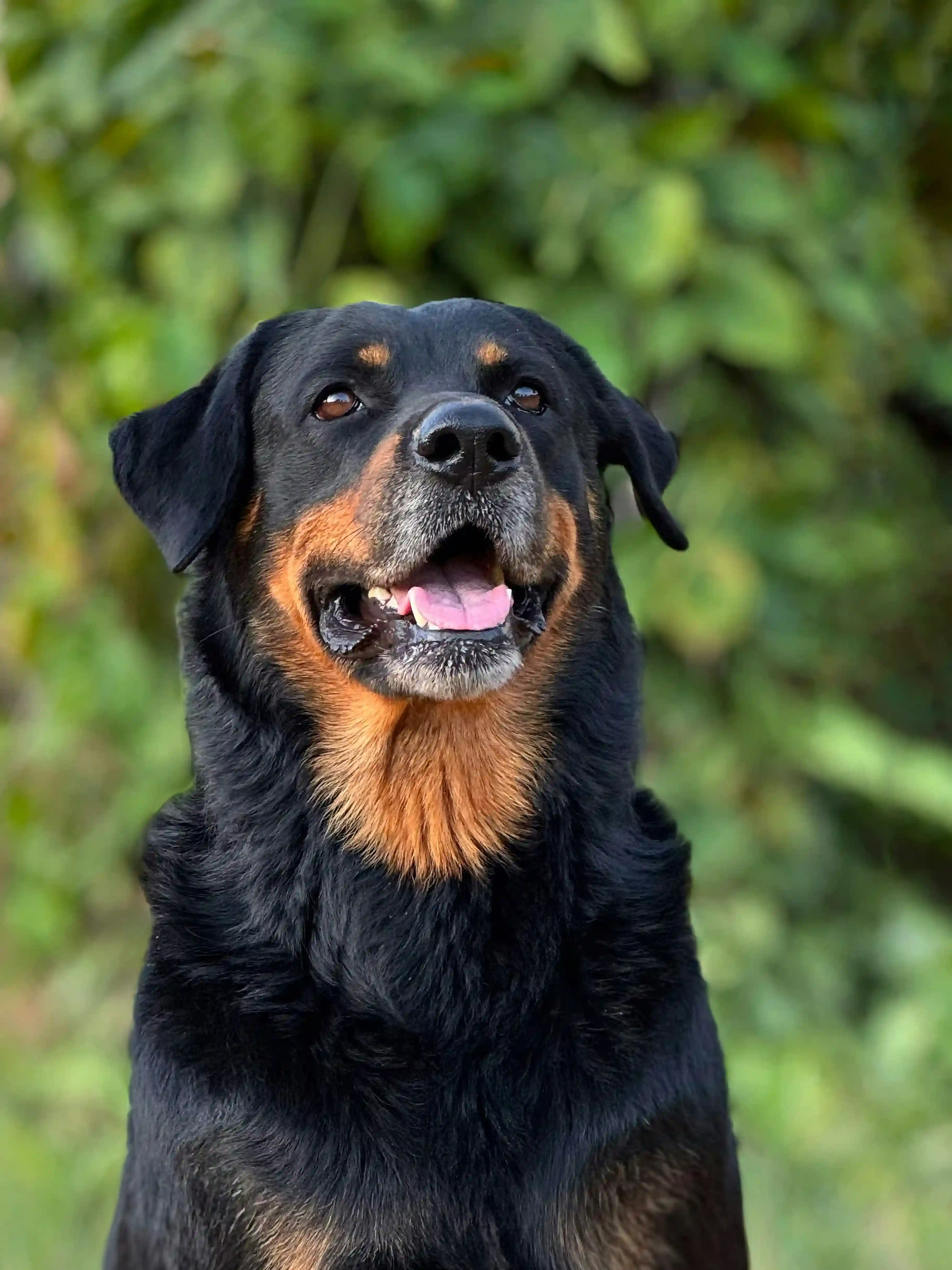
Summary: The Boxer is a medium-to-large working breed from Germany, known for its strength, athletic build, and expressive face. Originally developed for hunting and guarding, the breed later became widely used in military and service roles. Boxers are intelligent, loyal, and highly people-oriented, forming strong bonds with their families. They are playful and energetic, often maintaining a youthful, “puppy-like” personality well into adulthood. Despite their powerful appearance, they are generally friendly and affectionate, making them popular family companions.
Care: Boxers have a short, smooth coat that requires minimal grooming, with occasional brushing to remove loose hair. Their energy level is high, so they need daily exercise such as walks, running, or active play. Mental stimulation is also important, as they are intelligent and benefit from training and interactive activities. Due to their short coat and brachycephalic features, they can be sensitive to extreme heat and cold, requiring careful environmental management.
Conditions: Boxers are best suited for active households where they receive regular interaction, exercise, and companionship. They are social dogs that do not tolerate long periods of isolation well. Their friendly and patient nature makes them good with families and children, though supervision is recommended due to their strength and enthusiasm. Early socialization and consistent training are important to develop balanced behavior. This breed thrives in environments where it is included in daily life and given both structure and attention.
updated: April 21, 2026, 3:20 p.m.