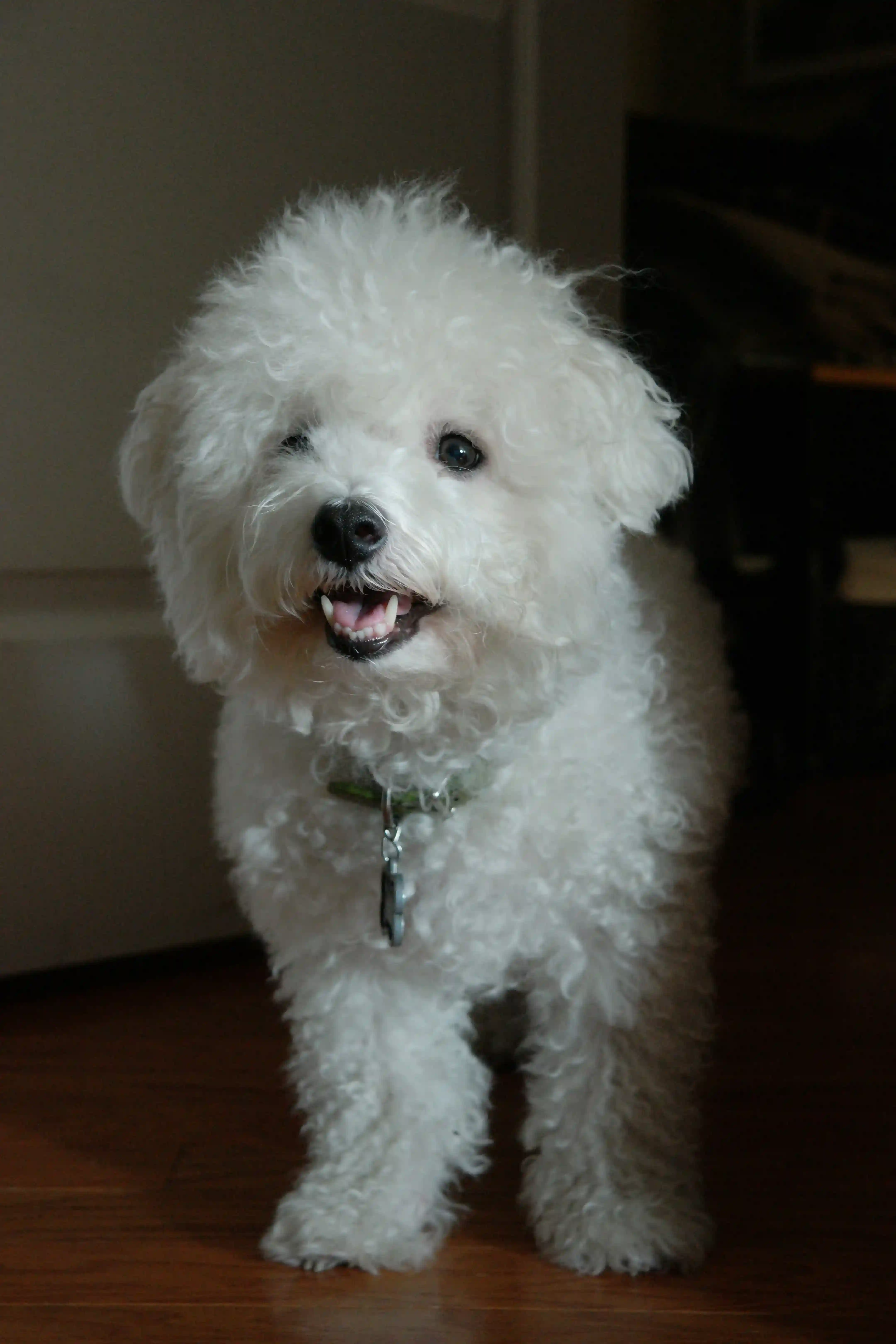
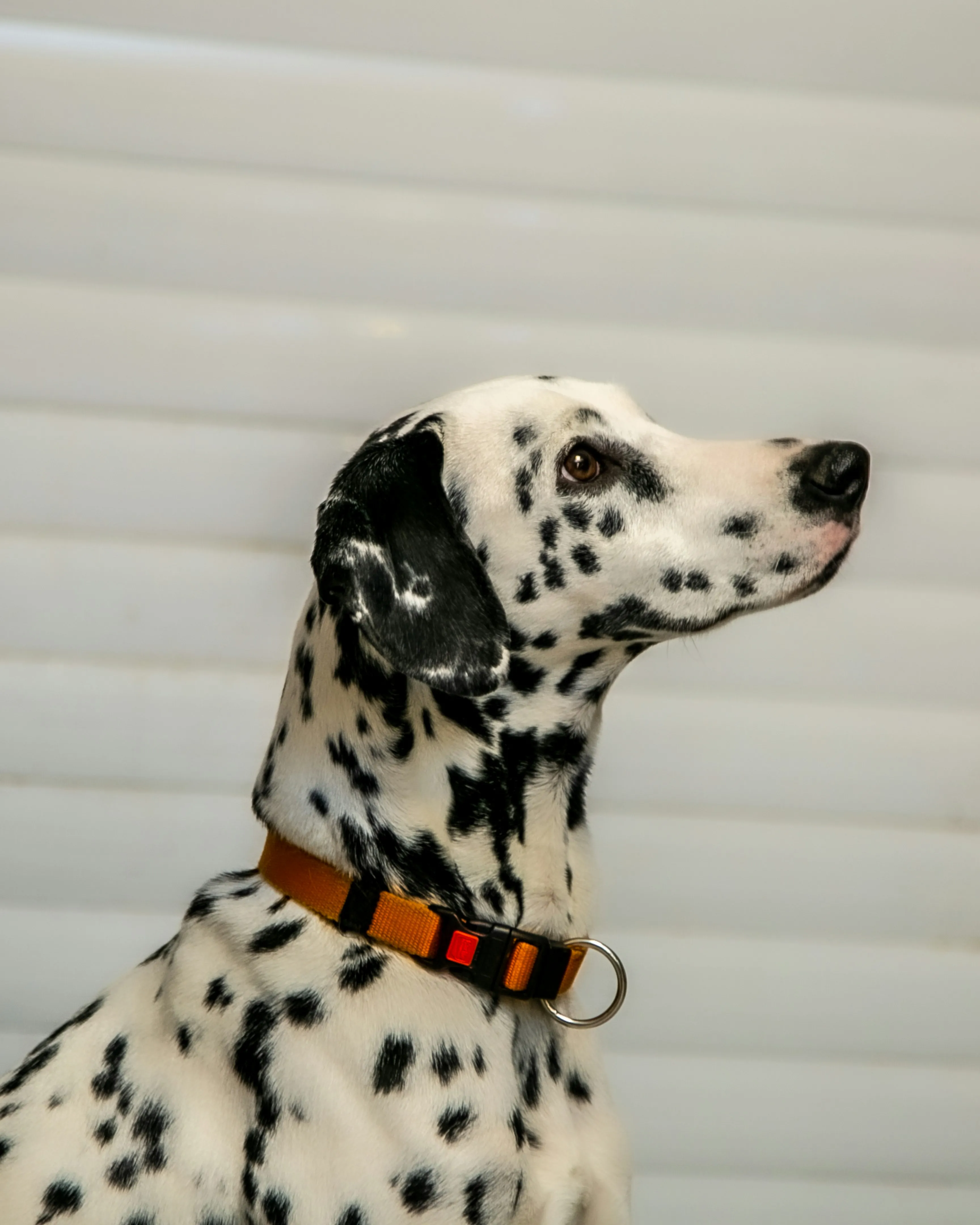
Summary: The breed comes in three size varieties: toy, miniature, and standard. The American Eskimo Dog is a small-to-medium spitz-type breed known for its striking white coat, intelligence, and lively personality. Despite its name, the breed originated from German Spitz dogs brought to the United States by immigrants. Eskies became especially popular as circus performers thanks to their trainability and agility. They are alert, friendly, and highly expressive, forming strong bonds with their owners while often remaining cautious with strangers. This breed combines a companion-oriented nature with high intelligence, making it both engaging and demanding in daily life.
Care: The American Eskimo Dog has a thick double coat that requires regular grooming, including brushing several times a week to manage shedding and prevent matting. Seasonal shedding periods can be intense. The breed is energetic and needs consistent daily exercise, including walks, play, and mental challenges such as training or puzzle activities. Due to their intelligence and eagerness to learn, they respond well to training but require ongoing engagement to stay mentally balanced. Grooming, activity, and stimulation are all essential parts of proper care.
Conditions: American Eskimo Dogs adapt well to various living environments, including apartments, as long as their exercise needs are met. They are highly social and prefer being close to their owners, which can lead to separation-related behaviors if left alone for long periods. Their alert nature makes them good watchdogs, but also prone to frequent barking. Early socialization helps manage their reserved attitude toward strangers. This breed thrives in active households where they receive attention, structure, and regular mental and physical stimulation.
updated: April 21, 2026, 11:29 a.m.